
Beyond Kaziranga: 10 Hidden Places in Assam Every Traveller Should Explore

Assam is often introduced to travellers through Kaziranga National Park , especially because of its famous one horned rhinoceros. But the state has a much wider story to tell.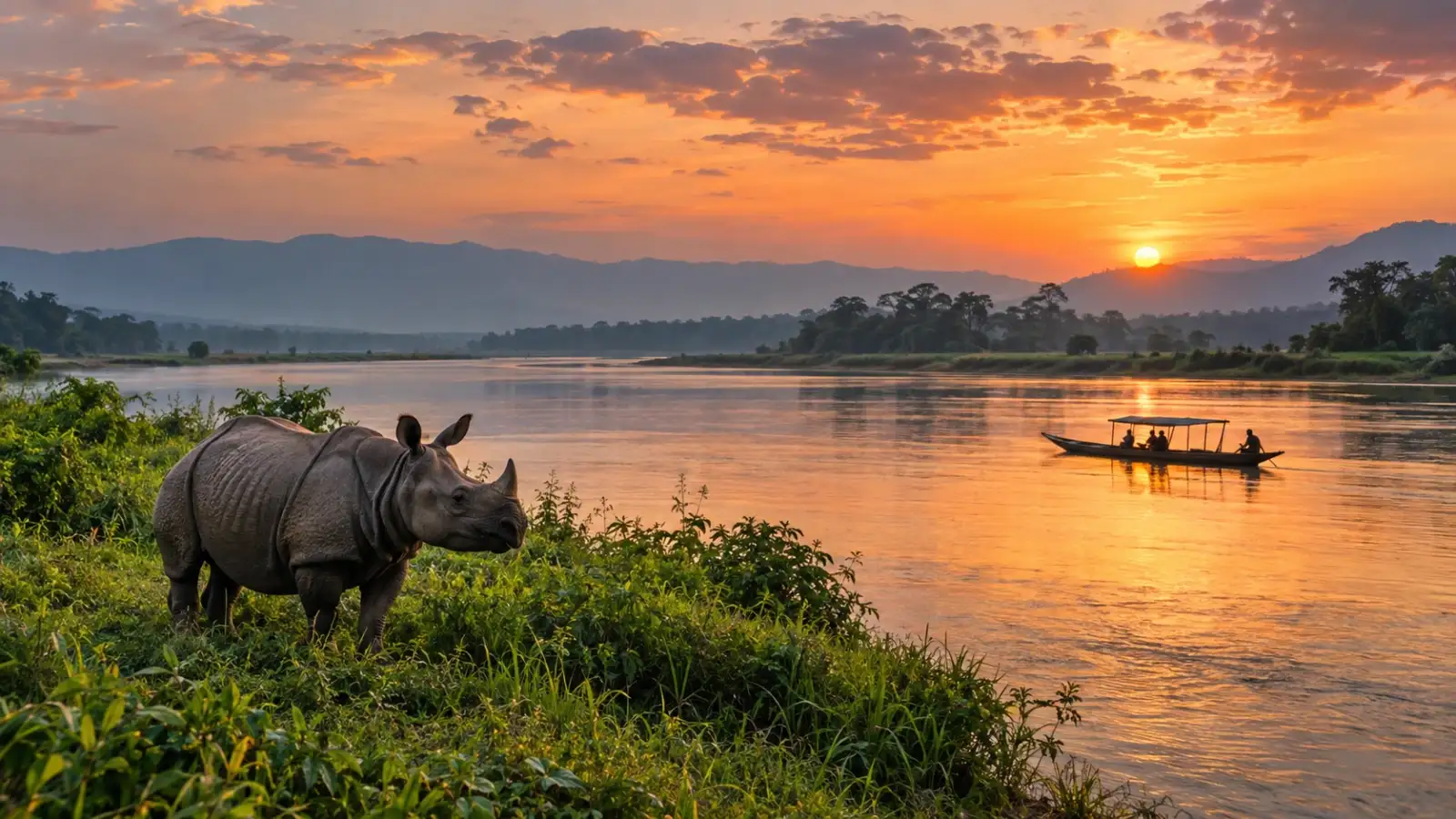
Beyond the national park are river islands, forested hills, old temples, tea gardens, wetlands and villages where life moves at a slower pace. Some of these places are well known locally but still receive far fewer visitors than Assam's biggest tourist attractions.
For travellers looking for a different side of the state, these destinations are worth exploring.
The river island is known for its satras, traditional cultural practices, village life and unique relationship with the surrounding river. Travelling around Majuli is less about rushing between attractions and more about observing everyday life.
You can explore villages, visit satras, watch traditional crafts being made and spend time cycling along quieter roads.
The island's landscape changes with the seasons, and river conditions can also affect travel, so checking local arrangements before visiting is important.
The town is surrounded by green hills and has a cooler atmosphere, making it a peaceful choice for travellers who enjoy nature and slower holidays.
Instead of a packed sightseeing schedule, spend time exploring the surrounding countryside, walking through quieter areas and enjoying the views.
Haflong is also a good base for discovering the cultural diversity of the hill region.
Located near the Bhutan border, Manas combines grasslands, forests and riverine habitats. The park is home to a diverse range of wildlife and is particularly attractive to travellers interested in both animals and landscapes.
A visit here can feel quite different from the more familiar Kaziranga experience, particularly because of the surrounding Himalayan foothill scenery.
The town is particularly associated with muga, eri and pat silk. Visitors can see weaving activity and explore shops selling traditional Assamese textiles.
Rather than simply buying a souvenir, take time to understand how much work goes into creating the fabric. Watching artisans work on traditional looms can make the visit much more meaningful.
The town has sites associated with Hinduism, Islam and Buddhism, giving it an unusual spiritual character.
Its location near Guwahati also makes it relatively convenient for a short excursion. Walking around the old religious areas and observing the different traditions that coexist here offers a glimpse into an important part of Assam's cultural history.
The sanctuary is located relatively close to Guwahati and is known for its population of Indian one horned rhinoceroses.
Its compact size can make wildlife viewing feel different from a larger national park. You may also encounter various birds and other animals depending on the season.
Always follow the sanctuary's rules and maintain a safe distance from wildlife.
The wetland attracts resident and migratory birds, particularly during the cooler months. Early mornings can be especially peaceful, with birds active around the water and surrounding vegetation.
The experience here is less about ticking species off a list and more about spending time in a natural landscape close to a major city.
The areas around Dibrugarh are surrounded by tea gardens, and a visit can offer a closer look at the landscapes that helped make Assam famous around the world.
Depending on the estate and local arrangements, visitors may be able to learn about tea cultivation and processing.
The sight of neatly arranged tea bushes stretching across the landscape is reason enough to slow down and enjoy the countryside.
Today, it offers travellers an opportunity to explore a lesser known part of Assam's cultural landscape.
Local traditions, folklore and stories have given the place a distinctive identity. A visit is best approached with curiosity and respect for local communities rather than treating the legends simply as entertainment.
The park supports rhinoceroses, elephants, deer, wild buffalo and numerous bird species.
Its location on the northern bank of the Brahmaputra also makes it an interesting addition to a wider Assam itinerary.
The quieter experiences can be just as memorable. Watching a silk weaver work, cycling through a village on Majuli, sitting beside a wetland at sunrise or driving through endless tea gardens can reveal a side of Assam that a traditional wildlife focused itinerary may miss.
If you have several days, consider combining a wildlife destination with cultural and nature experiences elsewhere in the state. You may come home with a much fuller picture of Assam.
Beyond the national park are river islands, forested hills, old temples, tea gardens, wetlands and villages where life moves at a slower pace. Some of these places are well known locally but still receive far fewer visitors than Assam's biggest tourist attractions.
For travellers looking for a different side of the state, these destinations are worth exploring.
Majuli
Majuli, located on the Brahmaputra, is one of Assam's most distinctive destinations.The river island is known for its satras, traditional cultural practices, village life and unique relationship with the surrounding river. Travelling around Majuli is less about rushing between attractions and more about observing everyday life.
You can explore villages, visit satras, watch traditional crafts being made and spend time cycling along quieter roads.
The island's landscape changes with the seasons, and river conditions can also affect travel, so checking local arrangements before visiting is important.
Haflong
Nestled among the hills of Dima Hasao district, Haflong offers a very different landscape from the plains of Assam.The town is surrounded by green hills and has a cooler atmosphere, making it a peaceful choice for travellers who enjoy nature and slower holidays.
Instead of a packed sightseeing schedule, spend time exploring the surrounding countryside, walking through quieter areas and enjoying the views.
Haflong is also a good base for discovering the cultural diversity of the hill region.
Manas National Park
Kaziranga may receive most of the attention, but Manas National Park offers another remarkable wildlife experience in Assam.Located near the Bhutan border, Manas combines grasslands, forests and riverine habitats. The park is home to a diverse range of wildlife and is particularly attractive to travellers interested in both animals and landscapes.
A visit here can feel quite different from the more familiar Kaziranga experience, particularly because of the surrounding Himalayan foothill scenery.
Sualkuchi
Known for its silk weaving tradition, Sualkuchi is an excellent place to experience Assam's craft heritage.The town is particularly associated with muga, eri and pat silk. Visitors can see weaving activity and explore shops selling traditional Assamese textiles.
Rather than simply buying a souvenir, take time to understand how much work goes into creating the fabric. Watching artisans work on traditional looms can make the visit much more meaningful.
Hajo
Hajo is an interesting destination for travellers fascinated by India's religious and cultural diversity.The town has sites associated with Hinduism, Islam and Buddhism, giving it an unusual spiritual character.
Its location near Guwahati also makes it relatively convenient for a short excursion. Walking around the old religious areas and observing the different traditions that coexist here offers a glimpse into an important part of Assam's cultural history.
Pobitora Wildlife Sanctuary
If seeing a rhinoceros is high on your Assam itinerary but you want an experience away from the biggest tourist crowds, Pobitora can be worth considering.The sanctuary is located relatively close to Guwahati and is known for its population of Indian one horned rhinoceroses.
Its compact size can make wildlife viewing feel different from a larger national park. You may also encounter various birds and other animals depending on the season.
Always follow the sanctuary's rules and maintain a safe distance from wildlife.
Deepor Beel
Just outside Guwahati, Deepor Beel is an important wetland and an interesting destination for birdwatchers.The wetland attracts resident and migratory birds, particularly during the cooler months. Early mornings can be especially peaceful, with birds active around the water and surrounding vegetation.
The experience here is less about ticking species off a list and more about spending time in a natural landscape close to a major city.
Tea Gardens Around Dibrugarh
Assam's tea story extends far beyond the tea you find in a cup.The areas around Dibrugarh are surrounded by tea gardens, and a visit can offer a closer look at the landscapes that helped make Assam famous around the world.
Depending on the estate and local arrangements, visitors may be able to learn about tea cultivation and processing.
The sight of neatly arranged tea bushes stretching across the landscape is reason enough to slow down and enjoy the countryside.
Mayong
Mayong, near the Brahmaputra and not far from Guwahati, has long been associated with stories of magic and traditional practices.Today, it offers travellers an opportunity to explore a lesser known part of Assam's cultural landscape.
Local traditions, folklore and stories have given the place a distinctive identity. A visit is best approached with curiosity and respect for local communities rather than treating the legends simply as entertainment.
You may also like
- The death of beige: Why colour is coming back into Indian homes
- Why Alia Bhatt has been sending emails to daughter Raha since her birth: “When she's 15, I'd give this to her and say…”
- Trains Cancelled: Over 17 trains cancelled from September 24 to October 4; passengers should check the list.
- Solar panels can be insured too—will you get a payout for theft or damage?
- EPF Scheme: Government May Reduce PF Contributions for 3 Months
Orang National Park
Often overlooked in favour of Assam's bigger wildlife destinations, Orang National Park offers another opportunity to explore the state's grasslands and wetlands.The park supports rhinoceroses, elephants, deer, wild buffalo and numerous bird species.
Its location on the northern bank of the Brahmaputra also makes it an interesting addition to a wider Assam itinerary.
Why Explore Assam Beyond Kaziranga?
Kaziranga is undoubtedly one of Assam's major attractions, but it represents only one part of the state.The quieter experiences can be just as memorable. Watching a silk weaver work, cycling through a village on Majuli, sitting beside a wetland at sunrise or driving through endless tea gardens can reveal a side of Assam that a traditional wildlife focused itinerary may miss.
If you have several days, consider combining a wildlife destination with cultural and nature experiences elsewhere in the state. You may come home with a much fuller picture of Assam.






Loving Newspoint? Download the app now
