
8 Beautiful Destinations to Discover Historic Stone Houses

Traditional stone houses have a special way of making a destination feel connected to its past. Built from materials found close to home, these houses often reflect the landscape, climate and history of the communities that created them. Thick walls, small windows, wooden roofs and carefully fitted stones are not simply architectural details. They often developed from practical needs and were shaped by local traditions passed down through generations.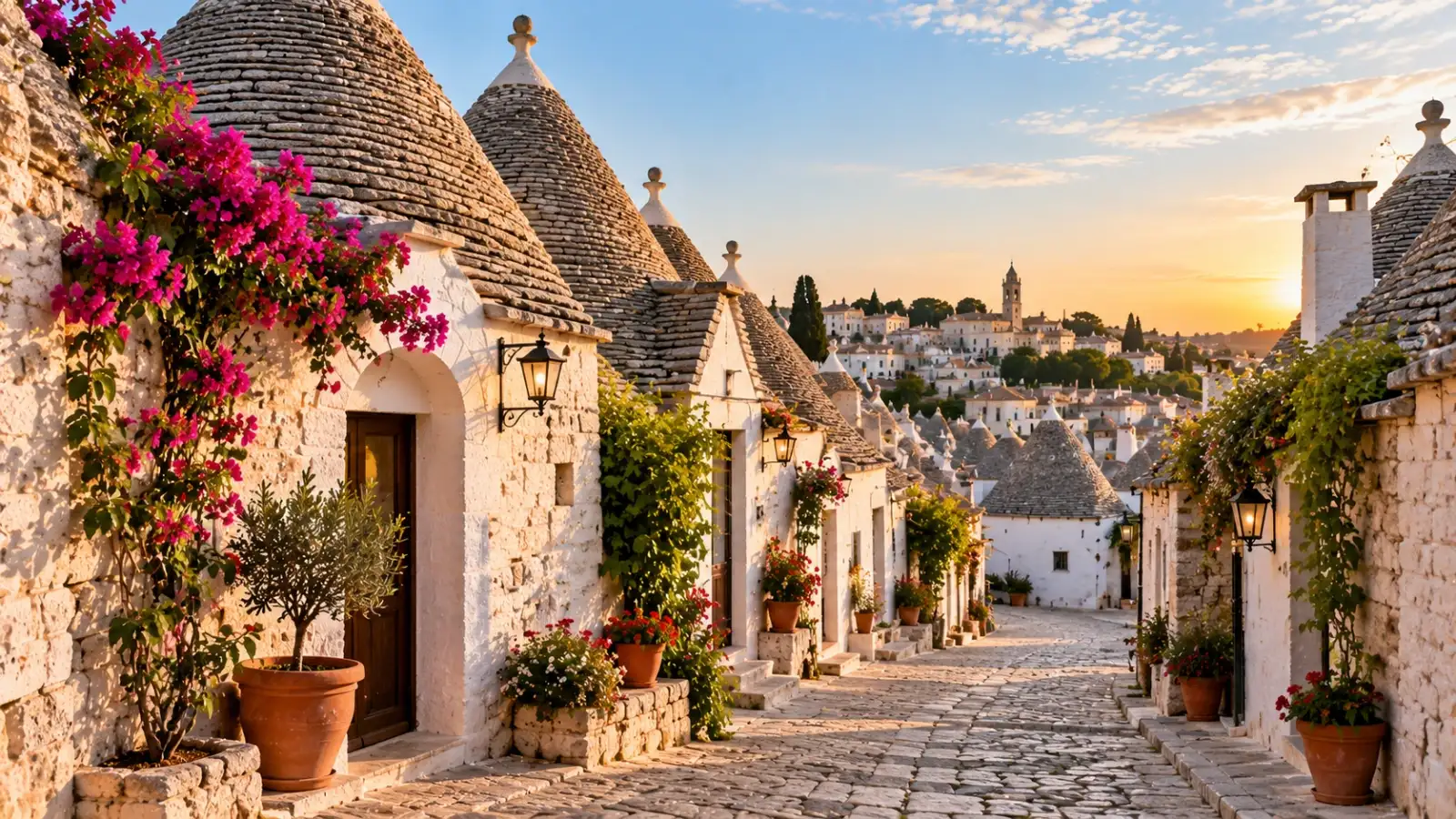
For travellers interested in architecture, history and local culture, visiting places known for traditional stone houses can offer a different kind of sightseeing experience. Instead of focusing only on famous monuments, you can walk through villages and old neighbourhoods where the homes themselves are part of the attraction. These eight destinations offer particularly interesting examples of traditional stone architecture .
Walking through the historic areas allows visitors to see groups of these traditional homes close together. Some have been converted into shops, cafés and places to stay, while others continue to preserve their historic appearance. The narrow lanes make the town particularly enjoyable to explore slowly on foot.
Many dwellings were built into natural caves, while others were created using local stone. Walking through the steep lanes reveals layers of architecture spread across the landscape. The combination of stone homes, stairways and dramatic viewpoints makes Matera one of Europe's most memorable destinations for architecture lovers.
Walking through the town and surrounding valleys reveals cave rooms, rock-cut spaces and old settlements. The architecture demonstrates how people adapted their homes to the local environment. The unusual landscape makes the experience even more fascinating, particularly when viewed from the surrounding hills.
Although the houses are primarily wooden rather than entirely stone, the surrounding landscape includes traditional stone features and rural paths that help create the historic character of the villages. Visitors can walk through the settlements and see how architecture was adapted to the climate and lifestyle of the region.
Traditional stone walls divide fields across the landscape, while old settlements and cottages provide glimpses into rural life. Walking through the area makes it easier to appreciate how local communities used the stone available around them for walls, buildings and other practical purposes.
Many buildings feature pale stone walls, traditional shutters and architectural details influenced by the region's long history. Exploring the old town on foot is the best way to appreciate its compact streets and hidden corners. The contrast between the stone architecture and the surrounding mountains makes Kotor particularly striking.
The village is best experienced by walking through its narrow lanes and stairways. The houses seem to follow the shape of the hillside, creating an almost layered effect. Its remote setting also helps visitors understand why local building traditions were strongly influenced by the materials and geography of the surrounding mountains.
The architecture was shaped by the Mediterranean climate and the need to make the most of limited space. Walking through older village areas can reveal small churches, traditional homes and stone pathways away from the busiest coastal areas. Exploring these settlements early in the day can make the experience quieter and more enjoyable.
They also encourage a slower style of travel. Instead of moving quickly between major attractions, visitors can spend time walking through villages, observing building details and photographing streetscapes. A doorway, stone wall or tiny courtyard may become one of the most memorable parts of the journey.
For anyone interested in traditional architecture, these destinations offer an opportunity to see homes as part of living history. The stones may have been placed centuries ago, but many of the streets and settlements they created remain part of everyday life today.
For travellers interested in architecture, history and local culture, visiting places known for traditional stone houses can offer a different kind of sightseeing experience. Instead of focusing only on famous monuments, you can walk through villages and old neighbourhoods where the homes themselves are part of the attraction. These eight destinations offer particularly interesting examples of traditional stone architecture .
1. Alberobello, Italy
Alberobello in southern Italy is famous for its distinctive trulli houses. These small stone buildings are recognised by their rounded walls and conical roofs, which give the town an appearance unlike many other places in Italy.Walking through the historic areas allows visitors to see groups of these traditional homes close together. Some have been converted into shops, cafés and places to stay, while others continue to preserve their historic appearance. The narrow lanes make the town particularly enjoyable to explore slowly on foot.
2. Matera, Italy
Matera offers a completely different experience of stone architecture. The city's famous Sassi districts contain homes and other buildings carved into and constructed from the surrounding rock.Many dwellings were built into natural caves, while others were created using local stone. Walking through the steep lanes reveals layers of architecture spread across the landscape. The combination of stone homes, stairways and dramatic viewpoints makes Matera one of Europe's most memorable destinations for architecture lovers.
3. Göreme, Türkiye
Göreme in Cappadocia is known for homes and other structures carved into unusual volcanic rock formations. Rather than traditional stone houses built entirely above ground, many historic dwellings here make use of the natural landscape itself.Walking through the town and surrounding valleys reveals cave rooms, rock-cut spaces and old settlements. The architecture demonstrates how people adapted their homes to the local environment. The unusual landscape makes the experience even more fascinating, particularly when viewed from the surrounding hills.
4. Shirakawa-go, Japan
Shirakawa-go is famous for its traditional rural houses with steeply sloping roofs. The roofs were designed to cope with heavy winter snowfall, while the large wooden structures provided space for families and traditional household activities.Although the houses are primarily wooden rather than entirely stone, the surrounding landscape includes traditional stone features and rural paths that help create the historic character of the villages. Visitors can walk through the settlements and see how architecture was adapted to the climate and lifestyle of the region.
5. The Burren, Ireland
The Burren in County Clare is an excellent destination for seeing traditional rural stone structures surrounded by a remarkable limestone landscape. The region is famous for its extensive exposed limestone pavement, which has shaped the appearance of the countryside for centuries.Traditional stone walls divide fields across the landscape, while old settlements and cottages provide glimpses into rural life. Walking through the area makes it easier to appreciate how local communities used the stone available around them for walls, buildings and other practical purposes.
6. Kotor, Montenegro
The old town of Kotor is surrounded by dramatic mountains and contains a remarkable collection of historic stone buildings. Its narrow streets, courtyards and old houses create a strong sense of place.Many buildings feature pale stone walls, traditional shutters and architectural details influenced by the region's long history. Exploring the old town on foot is the best way to appreciate its compact streets and hidden corners. The contrast between the stone architecture and the surrounding mountains makes Kotor particularly striking.
You may also like
- Quote of the day for children: Cristiano Ronaldo's powerful lesson on why talent means nothing without hard work and dedication, says, 'Talent without hardwork is nothing'
- In 2012, George Clooney co-founded the Satellite Sentinel Project, using satellite imagery to monitor human rights abuses and conflict in Sudan
- Meet Suneel Lodhi: The blind 25-year-old Bundelkhand singer who went from singing in local trains to 'Maine Tere Hi Bharose' in the superhit Hanuman Ansh
- Python found in a car in Dahisar, Mumbai: Common places snakes hide in cars, why they get inside and what you must check before starting the engine
- DIY: Stop throwing away dryer lint; 7 surprising ways to put it to good use at home
7. Piodão, Portugal
Piodão is a small mountain village in central Portugal where houses are closely packed along steep terrain. Traditional buildings made from local stone and dark slate roofs create a distinctive appearance.The village is best experienced by walking through its narrow lanes and stairways. The houses seem to follow the shape of the hillside, creating an almost layered effect. Its remote setting also helps visitors understand why local building traditions were strongly influenced by the materials and geography of the surrounding mountains.
8. The Cyclades, Greece
Several villages across the Cyclades offer a different interpretation of traditional stone architecture. Whitewashed homes, stone walls, narrow lanes and small courtyards are common features of many island settlements.The architecture was shaped by the Mediterranean climate and the need to make the most of limited space. Walking through older village areas can reveal small churches, traditional homes and stone pathways away from the busiest coastal areas. Exploring these settlements early in the day can make the experience quieter and more enjoyable.
Why Traditional Stone Houses Make Great Travel Experiences
Traditional stone houses tell stories that large monuments sometimes cannot. Their design often reveals how people lived, what materials were available and how communities adapted to local weather and geography.They also encourage a slower style of travel. Instead of moving quickly between major attractions, visitors can spend time walking through villages, observing building details and photographing streetscapes. A doorway, stone wall or tiny courtyard may become one of the most memorable parts of the journey.
For anyone interested in traditional architecture, these destinations offer an opportunity to see homes as part of living history. The stones may have been placed centuries ago, but many of the streets and settlements they created remain part of everyday life today.






Loving Newspoint? Download the app now
