
Discover How Your Everyday Basmati Rice Supports Better Metabolic Health

For millions worldwide, basmati rice is more than just a staple - it’s comfort, culture, and cuisine all on one plate. But recent research suggests that this fragrant long-grain rice could offer more than taste and aroma. When prepared using certain techniques, basmati rice may support better metabolic health , helping manage blood sugar levels without compromising the flavor or texture you love.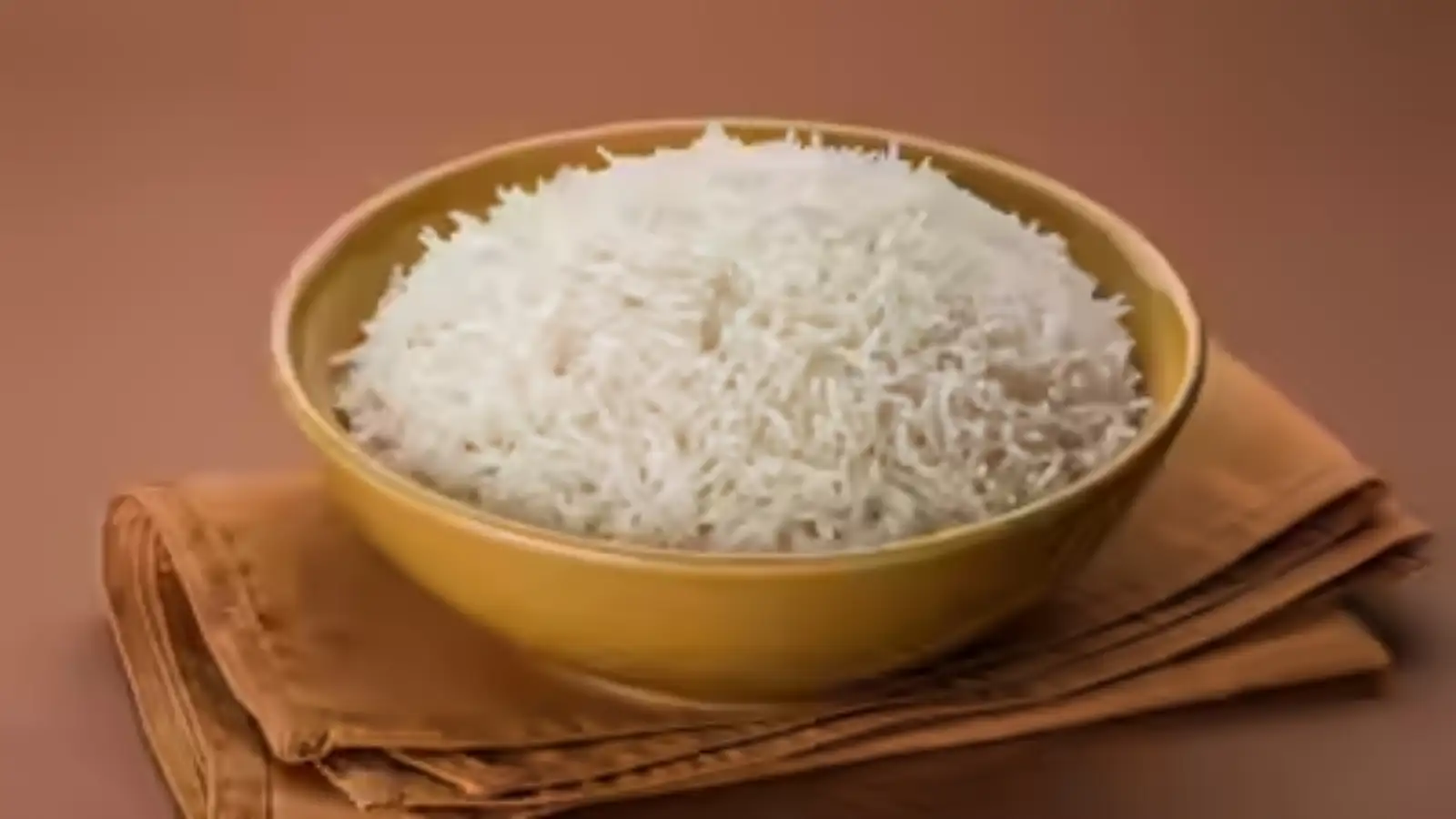
How Basmati Rice Can Be Healthier for You
A study by the Kerala University of Fisheries and Ocean Studies explored how traditional grains like basmati rice can be enhanced through modern food science. By combining germination and parboiling, researchers found a way to lower the rice’s glycaemic index (GI), meaning it releases glucose into the bloodstream more slowly. This slow release is key for maintaining stable blood sugar and supporting overall metabolic health.
The Science Behind Low-GI Basmati Rice
The process begins with germination, where the rice grains are allowed to sprout slightly. This activates natural enzymes in the rice, improving nutrient availability and altering the starch structure. Next comes parboiling, a technique where rice is partially boiled in its husk. This method not only locks in nutrients but also further slows carbohydrate digestion.
Researchers used hyperspectral imaging, a sophisticated technology that studies molecular changes, to confirm the benefits. While this tool is often used in soil or environmental studies, it’s gaining traction in food science to assess quality and nutritional improvements.
Taste and Texture Remain Intact
One of the main concerns with modifying staple foods is whether they still taste good. Sensory evaluations revealed that germinated and parboiled basmati rice retained its signature fluffy texture, long-grain structure, and delicate aroma. Essentially, the rice became healthier without altering the eating experience - a critical factor for everyday consumption.
Why PUSA 1121 Basmati Stands Out
The study also highlighted PUSA 1121 basmati rice, a premium variety developed by the Indian Agricultural Research Institute. Known for its extra-long grains and excellent cooking quality, this variety already enjoys global acclaim. Its moderate glycaemic index, coupled with proper portion control, makes it an ideal choice for health-conscious individuals who want to combine traditional diets with modern nutritional insights.
Incorporating Healthier Basmati Rice Into Your Diet
A simple plate of basmati rice can now do more than satisfy hunger - it can actively support your metabolic health. By choosing the right preparation methods, you don’t have to compromise on taste while enjoying a nutrient-optimized staple loved by millions.
How Basmati Rice Can Be Healthier for You
A study by the Kerala University of Fisheries and Ocean Studies explored how traditional grains like basmati rice can be enhanced through modern food science. By combining germination and parboiling, researchers found a way to lower the rice’s glycaemic index (GI), meaning it releases glucose into the bloodstream more slowly. This slow release is key for maintaining stable blood sugar and supporting overall metabolic health.
The Science Behind Low-GI Basmati Rice
The process begins with germination, where the rice grains are allowed to sprout slightly. This activates natural enzymes in the rice, improving nutrient availability and altering the starch structure. Next comes parboiling, a technique where rice is partially boiled in its husk. This method not only locks in nutrients but also further slows carbohydrate digestion.
You may also like
- Young users online: How technology can help build safer social platforms
- Pregnancy can put extra strain on the kidneys: Doctor explains how conditions like preeclampsia and gestational diabetes may raise future kidney disease risk
- Kidney disease symptoms: These symptoms appear just before kidney failure, with marks appearing on the neck and face
- Significance of Papmochani Ekadashi 2026: Rituals and Remedies
- Significance of Chaitra Amavasya 2026: Rituals and Guidelines
Researchers used hyperspectral imaging, a sophisticated technology that studies molecular changes, to confirm the benefits. While this tool is often used in soil or environmental studies, it’s gaining traction in food science to assess quality and nutritional improvements.
Taste and Texture Remain Intact
One of the main concerns with modifying staple foods is whether they still taste good. Sensory evaluations revealed that germinated and parboiled basmati rice retained its signature fluffy texture, long-grain structure, and delicate aroma. Essentially, the rice became healthier without altering the eating experience - a critical factor for everyday consumption.
Why PUSA 1121 Basmati Stands Out
The study also highlighted PUSA 1121 basmati rice, a premium variety developed by the Indian Agricultural Research Institute. Known for its extra-long grains and excellent cooking quality, this variety already enjoys global acclaim. Its moderate glycaemic index, coupled with proper portion control, makes it an ideal choice for health-conscious individuals who want to combine traditional diets with modern nutritional insights.
Incorporating Healthier Basmati Rice Into Your Diet
- Opt for germinated and parboiled varieties whenever possible.
- Control portion sizes to maintain balanced blood sugar.
- Pair with fiber-rich vegetables or lean proteins to enhance satiety.
- Explore recipes that highlight its natural aroma and texture without adding excessive fats or sugars.
A simple plate of basmati rice can now do more than satisfy hunger - it can actively support your metabolic health. By choosing the right preparation methods, you don’t have to compromise on taste while enjoying a nutrient-optimized staple loved by millions.






More from our partners


Loving Newspoint? Download the app now
