
The Small Towns That Come Alive After the Monsoon

India's smaller towns can be surprisingly rewarding once the monsoon begins to retreat. The intense summer heat has eased, hills and forests are covered in fresh green, old lakes and rivers are fuller, and the streets often feel calmer than those of major tourist cities.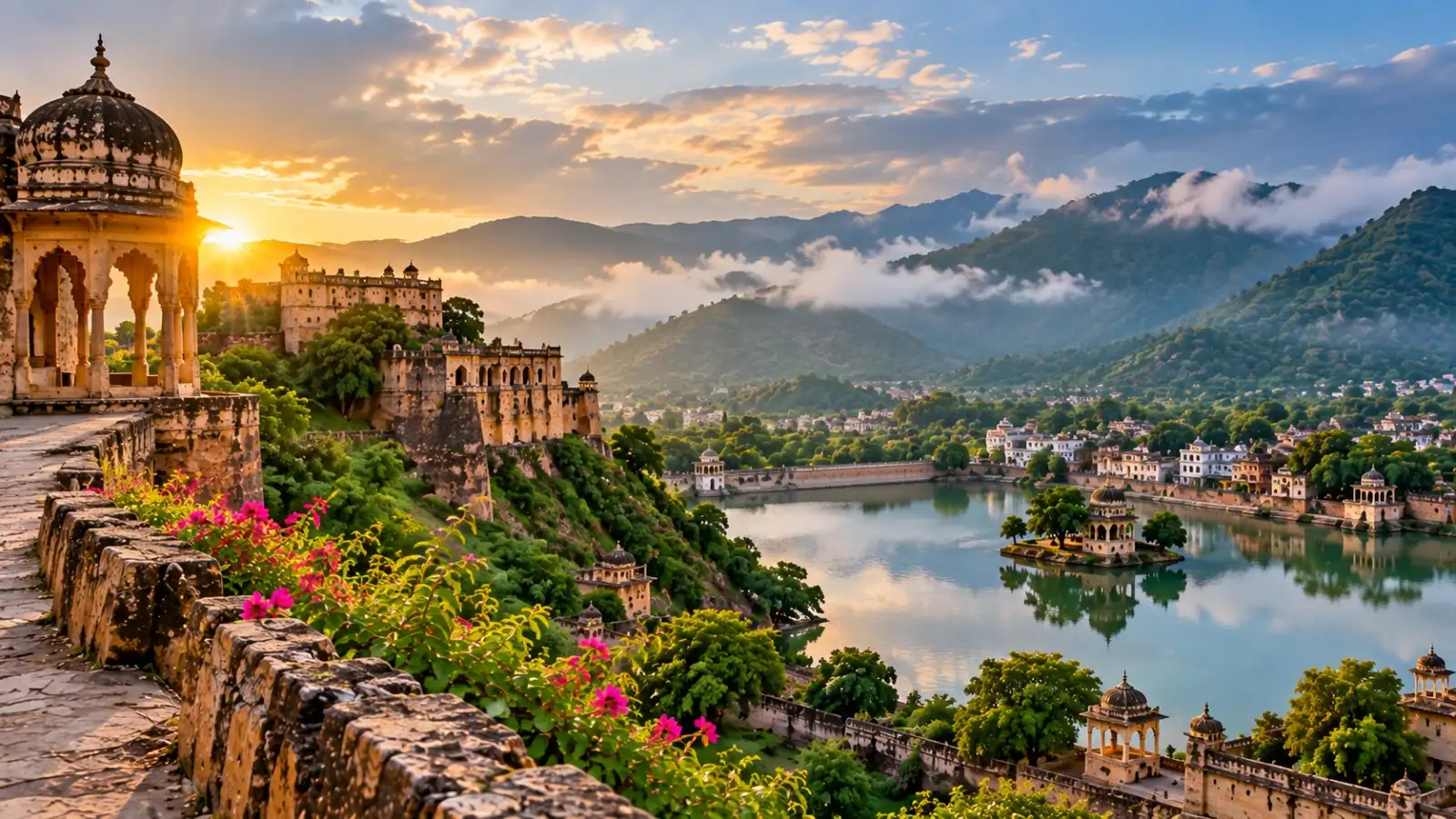
September, October and the early part of winter can be particularly interesting for travellers who prefer heritage lanes, local markets, quiet viewpoints and landscapes rather than crowded tourist attractions. From Rajasthan's historic towns to Madhya Pradesh's medieval settlements and Uttarakhand's forested hill destinations, these places offer a slower side of India after the rains.
Here are some small towns that become especially appealing once the monsoon landscape begins to settle.
The town is known for Taragarh Fort, Garh Palace, ancient baoris and its distinctive miniature painting tradition. Nawal Sagar, located in the heart of Bundi, can look particularly atmospheric after the rains, with water reflecting the surrounding architecture.
The surrounding landscape also becomes greener, making walks through the older parts of the town more enjoyable once the heaviest showers have passed. Rajasthan Tourism notes that the state's monsoon season can transform its usually dry landscape, with Bundi among the destinations highlighted during this period.
The Betwa River runs alongside the town, while the surrounding greenery becomes more pronounced during and after the rainy season. Madhya Pradesh Tourism describes Orchha as a quaint town on the Betwa, while Incredible India highlights its medieval architecture and riverside setting.
After the monsoon, the combination of softer weather, greener surroundings and dramatic old architecture makes Orchha particularly suited to slow exploration. You can walk through the fort complex, explore the temples and spend time around the river without trying to cover a huge city.
The town has a history stretching back centuries and contains forts, gateways, stepwells, temples, mosques and other historic structures. It is also famous for its handwoven Chanderi textiles. The Madhya Pradesh government describes the town as a historic settlement surrounded by hills, lakes and forests.
Post-monsoon is an attractive period for exploring Chanderi because the weather gradually becomes more comfortable for walking. Madhya Pradesh Tourism lists October to February as the preferred period for exploring its attractions.
A slow walk around the old town, followed by a visit to the handloom areas, gives you a very different experience from a conventional sightseeing trip.
The historic settlement is filled with Afghan-inspired architecture, ruined palaces, lakes, gateways and monuments. Madhya Pradesh Tourism specifically describes Mandu as becoming more mesmerising during the monsoon, when its valleys acquire a green sheen and clouds move across the landscape.
The period immediately after the rains can be equally appealing. The dramatic monuments stand against a softer landscape, while the cooler conditions make it easier to spend several hours exploring the sprawling heritage zone.
Jahaz Mahal, Rani Roopmati Pavilion and Baz Bahadur's Palace are among the places that make Mandu particularly rewarding for history and architecture lovers.
The destination is associated with rural tourism, traditional surroundings and community-based experiences. Incredible India identifies September to November as the post-monsoon period and notes that the landscape remains lush after the rains while the weather becomes suitable for outdoor exploration.
This is the sort of destination where the appeal comes from slowing down. Village walks, local food experiences, farms and the surrounding countryside can become more interesting than a checklist of monuments.
It is worth considering for travellers who want to see how smaller communities experience the transition from monsoon to autumn.
Located in the Kumaon region, the destination is surrounded by forests and mountain scenery. During the monsoon, the area receives considerable rainfall and becomes lush, although wet conditions can make roads and trails more challenging. By October and November, the post-monsoon atmosphere becomes cooler and clearer, with the forests taking on a fresh appearance.
For travellers who prefer hill walks, forest trails and long views rather than busy shopping streets, Binsar can be an excellent change of pace.
The biggest attraction is not necessarily a single monument. It is the combination of forest, mountain air, quiet roads and the feeling of being away from the usual hill-station crowds.
The town and surrounding area contain historic monuments reflecting several periods of North Indian history. Its architecture, old structures and relatively low-key atmosphere make it different from more commercialised weekend destinations.
The post-monsoon months can be particularly comfortable for heritage exploration because the extreme summer heat has eased. Instead of treating Narnaul as a quick stop, travellers can spend time exploring its older landmarks and getting a feel for the region's history.
It also works well as part of a longer Haryana or Rajasthan road trip.
Its palace complex, gardens, water structures and surrounding historic landscape make it an interesting alternative to Rajasthan's more famous destinations. The town becomes especially attractive when the surrounding landscape has received seasonal rainfall.
The appeal of Deeg lies in its scale. It does not feel like a huge tourist city, and much of the experience comes from moving slowly through the palace complex and historic surroundings.
For travellers exploring eastern Rajasthan, Deeg can also be combined with Bharatpur and nearby heritage or wildlife destinations.
Located in the Garhwal Himalayas, the area is surrounded by mountains, forests and the Bhagirathi River. The monsoon leaves the landscape intensely green, while the approaching autumn gradually brings clearer skies and cooler conditions.
Unlike crowded hill stations, Harsil's appeal comes from its quiet environment. Small settlements, mountain roads, riverside landscapes and apple-growing areas create a slower travel experience.
The weather in the Himalayas can change quickly, however, so travellers should check local road and weather conditions before planning a trip.
The town has historical associations with the former Khetri princely state and sits amid the Aravalli landscape. Once the monsoon has softened the surrounding terrain, the rocky hills and historic structures can look very different from the dry Rajasthan landscape many travellers imagine.
Khetri works particularly well for those interested in lesser-known heritage, old royal connections and road trips through Rajasthan's smaller settlements.
The monsoon changes the atmosphere of a place. Lakes hold more water, vegetation becomes denser, dusty roads become cleaner and historic buildings can appear more dramatic against cloudy or freshly washed landscapes.
In some parts of India, the end of the monsoon also marks the beginning of a more comfortable travel season. Rajasthan Tourism, for example, notes that temperatures generally continue to fall after the monsoon, while destinations across Madhya Pradesh and the Himalayan regions move towards more pleasant conditions.
For travellers tired of crowded metropolitan attractions, these smaller destinations offer another way to experience India. The journey may involve fewer famous landmarks, but that can be exactly what makes the trip memorable.
That is why the months after the monsoon can be such an interesting time to explore them. The landscape is still carrying traces of the rains, but the weather is beginning to settle. The result is a brief window when heritage, nature and everyday local life can be enjoyed at a slower pace.
For anyone planning an India trip beyond the usual tourist circuit, these towns are worth putting on the map.
September, October and the early part of winter can be particularly interesting for travellers who prefer heritage lanes, local markets, quiet viewpoints and landscapes rather than crowded tourist attractions. From Rajasthan's historic towns to Madhya Pradesh's medieval settlements and Uttarakhand's forested hill destinations, these places offer a slower side of India after the rains.
Here are some small towns that become especially appealing once the monsoon landscape begins to settle.
1. Bundi, Rajasthan
Bundi is one of those towns that seems to have been designed for a post-monsoon escape. Its old blue-painted houses, medieval architecture, stepwells, lakes and surrounding hills create a landscape that changes dramatically after the rains.The town is known for Taragarh Fort, Garh Palace, ancient baoris and its distinctive miniature painting tradition. Nawal Sagar, located in the heart of Bundi, can look particularly atmospheric after the rains, with water reflecting the surrounding architecture.
The surrounding landscape also becomes greener, making walks through the older parts of the town more enjoyable once the heaviest showers have passed. Rajasthan Tourism notes that the state's monsoon season can transform its usually dry landscape, with Bundi among the destinations highlighted during this period.
2. Orchha, Madhya Pradesh
Orchha feels almost suspended in time, with grand palaces, temples and riverside cenotaphs forming the heart of this small historic settlement.The Betwa River runs alongside the town, while the surrounding greenery becomes more pronounced during and after the rainy season. Madhya Pradesh Tourism describes Orchha as a quaint town on the Betwa, while Incredible India highlights its medieval architecture and riverside setting.
After the monsoon, the combination of softer weather, greener surroundings and dramatic old architecture makes Orchha particularly suited to slow exploration. You can walk through the fort complex, explore the temples and spend time around the river without trying to cover a huge city.
3. Chanderi, Madhya Pradesh
Chanderi is ideal for travellers who enjoy history without the crowds associated with India's better-known heritage destinations.The town has a history stretching back centuries and contains forts, gateways, stepwells, temples, mosques and other historic structures. It is also famous for its handwoven Chanderi textiles. The Madhya Pradesh government describes the town as a historic settlement surrounded by hills, lakes and forests.
Post-monsoon is an attractive period for exploring Chanderi because the weather gradually becomes more comfortable for walking. Madhya Pradesh Tourism lists October to February as the preferred period for exploring its attractions.
A slow walk around the old town, followed by a visit to the handloom areas, gives you a very different experience from a conventional sightseeing trip.
4. Mandu, Madhya Pradesh
Mandu is one of India's most atmospheric heritage destinations, particularly when its landscape turns green.The historic settlement is filled with Afghan-inspired architecture, ruined palaces, lakes, gateways and monuments. Madhya Pradesh Tourism specifically describes Mandu as becoming more mesmerising during the monsoon, when its valleys acquire a green sheen and clouds move across the landscape.
The period immediately after the rains can be equally appealing. The dramatic monuments stand against a softer landscape, while the cooler conditions make it easier to spend several hours exploring the sprawling heritage zone.
Jahaz Mahal, Rani Roopmati Pavilion and Baz Bahadur's Palace are among the places that make Mandu particularly rewarding for history and architecture lovers.
5. Ladpura Khas, Madhya Pradesh
For something even quieter, Ladpura Khas offers a glimpse of rural Madhya Pradesh rather than a conventional tourist town.The destination is associated with rural tourism, traditional surroundings and community-based experiences. Incredible India identifies September to November as the post-monsoon period and notes that the landscape remains lush after the rains while the weather becomes suitable for outdoor exploration.
This is the sort of destination where the appeal comes from slowing down. Village walks, local food experiences, farms and the surrounding countryside can become more interesting than a checklist of monuments.
It is worth considering for travellers who want to see how smaller communities experience the transition from monsoon to autumn.
6. Binsar, Uttarakhand
Binsar offers a completely different post-monsoon landscape.Located in the Kumaon region, the destination is surrounded by forests and mountain scenery. During the monsoon, the area receives considerable rainfall and becomes lush, although wet conditions can make roads and trails more challenging. By October and November, the post-monsoon atmosphere becomes cooler and clearer, with the forests taking on a fresh appearance.
For travellers who prefer hill walks, forest trails and long views rather than busy shopping streets, Binsar can be an excellent change of pace.
The biggest attraction is not necessarily a single monument. It is the combination of forest, mountain air, quiet roads and the feeling of being away from the usual hill-station crowds.
7. Narnaul, Haryana
Narnaul is an interesting choice for travellers based around Delhi who want heritage without committing to a long journey.The town and surrounding area contain historic monuments reflecting several periods of North Indian history. Its architecture, old structures and relatively low-key atmosphere make it different from more commercialised weekend destinations.
The post-monsoon months can be particularly comfortable for heritage exploration because the extreme summer heat has eased. Instead of treating Narnaul as a quick stop, travellers can spend time exploring its older landmarks and getting a feel for the region's history.
It also works well as part of a longer Haryana or Rajasthan road trip.
8. Deeg, Rajasthan
Deeg is a small town with a surprisingly elaborate royal heritage.Its palace complex, gardens, water structures and surrounding historic landscape make it an interesting alternative to Rajasthan's more famous destinations. The town becomes especially attractive when the surrounding landscape has received seasonal rainfall.
The appeal of Deeg lies in its scale. It does not feel like a huge tourist city, and much of the experience comes from moving slowly through the palace complex and historic surroundings.
For travellers exploring eastern Rajasthan, Deeg can also be combined with Bharatpur and nearby heritage or wildlife destinations.
9. Harsil, Uttarakhand
Harsil is another Himalayan settlement that changes character once the wettest part of the year begins to pass.Located in the Garhwal Himalayas, the area is surrounded by mountains, forests and the Bhagirathi River. The monsoon leaves the landscape intensely green, while the approaching autumn gradually brings clearer skies and cooler conditions.
Unlike crowded hill stations, Harsil's appeal comes from its quiet environment. Small settlements, mountain roads, riverside landscapes and apple-growing areas create a slower travel experience.
The weather in the Himalayas can change quickly, however, so travellers should check local road and weather conditions before planning a trip.
10. Khetri, Rajasthan
Khetri is an unusual addition to a post-monsoon Rajasthan itinerary because it offers something beyond the state's better-known palace cities.The town has historical associations with the former Khetri princely state and sits amid the Aravalli landscape. Once the monsoon has softened the surrounding terrain, the rocky hills and historic structures can look very different from the dry Rajasthan landscape many travellers imagine.
You may also like
- Black Coffee Benefits: How to Add It to Your Diet Without Overdoing Caffeine
- Hyderabad to host its first Matcha festival this weekend
- What Is Follicular Atresia and How Does It Affect Fertility?
- This 200-year-old temple in Salem, Tamil Nadu is believed to fulfil wishes in 40 days; know the story and how to reach
- Parenting Tips: Is your child afraid of entering a dark room? These parental mistakes could worsen their fear..
Khetri works particularly well for those interested in lesser-known heritage, old royal connections and road trips through Rajasthan's smaller settlements.
Why small towns feel different after the rains
The appeal of these destinations is not simply that they become greener.The monsoon changes the atmosphere of a place. Lakes hold more water, vegetation becomes denser, dusty roads become cleaner and historic buildings can appear more dramatic against cloudy or freshly washed landscapes.
In some parts of India, the end of the monsoon also marks the beginning of a more comfortable travel season. Rajasthan Tourism, for example, notes that temperatures generally continue to fall after the monsoon, while destinations across Madhya Pradesh and the Himalayan regions move towards more pleasant conditions.
For travellers tired of crowded metropolitan attractions, these smaller destinations offer another way to experience India. The journey may involve fewer famous landmarks, but that can be exactly what makes the trip memorable.
The charm is in travelling slowly
Small towns are rarely about ticking off ten attractions in a day. Their appeal often lies in wandering through an old lane, sitting beside a lake, watching clouds move across a fort or discovering a local craft that has survived for generations.That is why the months after the monsoon can be such an interesting time to explore them. The landscape is still carrying traces of the rains, but the weather is beginning to settle. The result is a brief window when heritage, nature and everyday local life can be enjoyed at a slower pace.
For anyone planning an India trip beyond the usual tourist circuit, these towns are worth putting on the map.






Loving Newspoint? Download the app now
