
10 Offbeat Lakes in India for Travellers Who Love Quiet Escapes

India has no shortage of beautiful lakes, but some of the most memorable ones are not found beside busy tourist centres. They are hidden in high Himalayan valleys, surrounded by forests, reached through winding mountain roads or discovered after hours of trekking.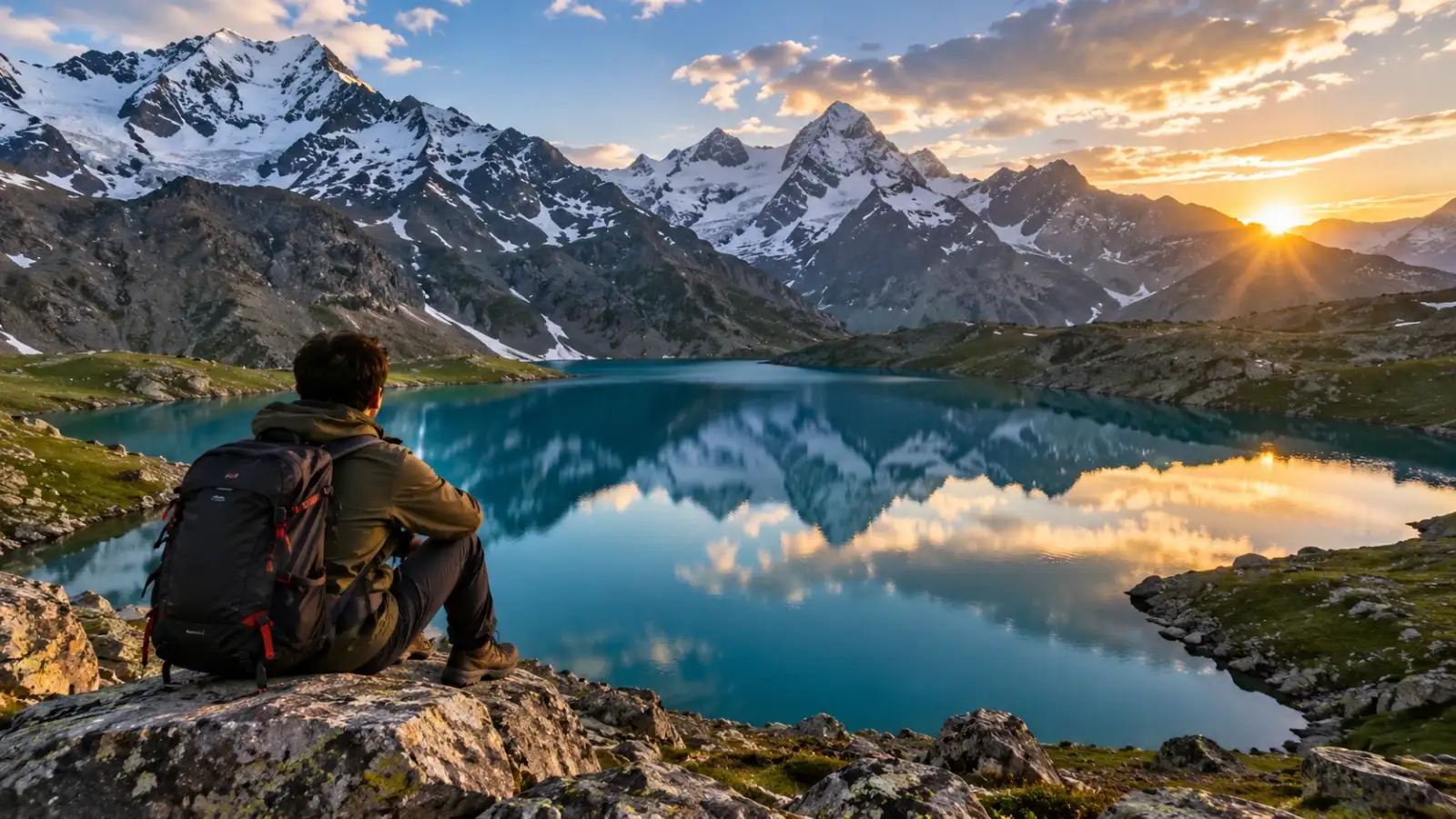
For travellers who enjoy the journey as much as the destination, these lesser-known lakes offer something special. Some are surrounded by snow-covered peaks, while others sit quietly among green meadows, forests or unusual geological landscapes.
Here are some hidden lakes in India that are worth putting on your travel list.
The lake is not a place you simply drive up to. Reaching it involves a trek, which is exactly what makes the experience so rewarding. The changing colours of the water, depending on the light and weather, add another layer to its beauty.
Tarsar is particularly appealing to travellers looking for a quieter side of Kashmir away from the better-known tourist spots.
Marsar has an almost mysterious atmosphere. Clouds frequently gather around the lake, while local folklore adds to its sense of intrigue. The route is challenging enough to make reaching the lake feel like an achievement rather than a routine sightseeing stop.
For trekkers, combining Tarsar and Marsar can turn a trip into one of the most memorable Himalayan adventures.
The lake is also considered sacred by both Buddhists and Sikhs. Colourful prayer flags and the surrounding mountains create a striking setting.
The altitude makes the journey demanding, but that is also part of its appeal. The landscape changes dramatically as you travel towards the lake, making the route itself an unforgettable experience.
Located in the Changthang region, the lake is surrounded by barren mountains, open landscapes and deep blue water. It is also an important wetland habitat for birds and other wildlife. The Ladakh administration describes Tso Moriri as a Ramsar wetland and notes its relative isolation.
Getting there involves a long mountain journey, but the feeling of arriving at this vast, peaceful lake makes the effort worthwhile.
Located near Sari village, the lake is surrounded by forests and offers spectacular views of the Himalayan peaks. On a clear morning, the mountains can appear reflected on the calm surface of the water.
The relatively short trek makes Deoria Tal a good option for travellers who want a Himalayan lake experience without committing to a demanding multi-day expedition.
The small blue lake is surrounded by mountain scenery and is famous for a floating island that changes position over time. A distinctive pagoda-style temple dedicated to sage Parashara stands beside the lake, adding character to the landscape.
The combination of the lake, mountains and traditional architecture makes this destination particularly attractive for photographers and slow travellers.
Located in the Rupshu Valley, this high-altitude lake is surrounded by dry mountains and wide open terrain. Salt deposits around its shores contribute to its stark appearance, creating a landscape that feels almost like another planet.
The remote setting means fewer crowds, making Tso Kar a fascinating stop for travellers interested in Ladakh beyond its most famous destinations.
The name means seven lakes, and the area is particularly appealing to birdwatchers, nature lovers and photographers. Instead of dramatic barren mountains, Sattal offers greenery, forest trails and peaceful waters.
It is a good choice for travellers who want to spend time in nature without undertaking an extremely difficult trek.
Its unusual geological history is one of its biggest attractions, but there is more to discover around it. Ancient temples, forests and the distinctive landscape surrounding the crater make the destination particularly interesting for travellers who enjoy combining nature with history.
Unlike remote Himalayan lakes, Lonar can be explored without a high-altitude expedition, making it an intriguing offbeat destination for a different kind of adventure.
Its striking blue waters become even more impressive against the rugged Himalayan backdrop. The journey towards the lake is an important part of the experience, with changing landscapes unfolding along the route.
For travellers who enjoy combining trekking, scenery and a sense of Himalayan wilderness, Sheshnag can be a rewarding stop.
Some require long road journeys, while others demand hours or days of trekking. That effort naturally keeps visitor numbers lower than at India's most famous tourist lakes.
The reward is often a quieter landscape where you can hear the wind across the mountains, watch clouds move over the water or simply sit without the constant noise of crowded tourist areas.
However, many of these destinations are environmentally sensitive. Travellers should avoid littering, respect local customs, follow trekking regulations and avoid disturbing wildlife.
For high-altitude destinations, preparation is equally important. Weather can change quickly, roads may become difficult and altitude can affect even experienced travellers.
For anyone willing to travel a little farther, these hidden lakes reveal another side of India, one where the journey is just as memorable as the destination.
For travellers who enjoy the journey as much as the destination, these lesser-known lakes offer something special. Some are surrounded by snow-covered peaks, while others sit quietly among green meadows, forests or unusual geological landscapes.
Here are some hidden lakes in India that are worth putting on your travel list.
1. Tarsar Lake, Jammu and Kashmir
Deep in the Aru Valley near Pahalgam, Tarsar Lake is one of Kashmir’s most beautiful alpine escapes. Its turquoise and blue waters sit among green meadows, coniferous trees and dramatic mountain scenery.The lake is not a place you simply drive up to. Reaching it involves a trek, which is exactly what makes the experience so rewarding. The changing colours of the water, depending on the light and weather, add another layer to its beauty.
Tarsar is particularly appealing to travellers looking for a quieter side of Kashmir away from the better-known tourist spots.
2. Marsar Lake, Jammu and Kashmir
Close to Tarsar lies Marsar Lake, another spectacular high-altitude water body surrounded by mountains and alpine landscapes.Marsar has an almost mysterious atmosphere. Clouds frequently gather around the lake, while local folklore adds to its sense of intrigue. The route is challenging enough to make reaching the lake feel like an achievement rather than a routine sightseeing stop.
For trekkers, combining Tarsar and Marsar can turn a trip into one of the most memorable Himalayan adventures.
3. Gurudongmar Lake, Sikkim
At around 17,800 feet, Gurudongmar Lake is one of India's highest lakes. Located in the remote northern part of Sikkim, it is surrounded by stark mountains, snow and an almost otherworldly landscape.The lake is also considered sacred by both Buddhists and Sikhs. Colourful prayer flags and the surrounding mountains create a striking setting.
The altitude makes the journey demanding, but that is also part of its appeal. The landscape changes dramatically as you travel towards the lake, making the route itself an unforgettable experience.
4. Tso Moriri, Ladakh
While Pangong Lake receives much of Ladakh’s attention, Tso Moriri offers a quieter alternative for travellers willing to venture farther.Located in the Changthang region, the lake is surrounded by barren mountains, open landscapes and deep blue water. It is also an important wetland habitat for birds and other wildlife. The Ladakh administration describes Tso Moriri as a Ramsar wetland and notes its relative isolation.
Getting there involves a long mountain journey, but the feeling of arriving at this vast, peaceful lake makes the effort worthwhile.
5. Deoria Tal, Uttarakhand
Deoria Tal is easier to reach than some of the high-altitude lakes on this list, but it still retains an offbeat charm.Located near Sari village, the lake is surrounded by forests and offers spectacular views of the Himalayan peaks. On a clear morning, the mountains can appear reflected on the calm surface of the water.
The relatively short trek makes Deoria Tal a good option for travellers who want a Himalayan lake experience without committing to a demanding multi-day expedition.
6. Prashar Lake, Himachal Pradesh
Perched in the mountains of Mandi district, Prashar Lake combines natural beauty with local history and mythology.The small blue lake is surrounded by mountain scenery and is famous for a floating island that changes position over time. A distinctive pagoda-style temple dedicated to sage Parashara stands beside the lake, adding character to the landscape.
The combination of the lake, mountains and traditional architecture makes this destination particularly attractive for photographers and slow travellers.
7. Tso Kar, Ladakh
Tso Kar offers a completely different landscape from the lush lakes of Uttarakhand or Kashmir.Located in the Rupshu Valley, this high-altitude lake is surrounded by dry mountains and wide open terrain. Salt deposits around its shores contribute to its stark appearance, creating a landscape that feels almost like another planet.
The remote setting means fewer crowds, making Tso Kar a fascinating stop for travellers interested in Ladakh beyond its most famous destinations.
8. Sattal, Uttarakhand
Sattal is actually a group of interconnected freshwater lakes surrounded by dense forests in the Kumaon region.The name means seven lakes, and the area is particularly appealing to birdwatchers, nature lovers and photographers. Instead of dramatic barren mountains, Sattal offers greenery, forest trails and peaceful waters.
It is a good choice for travellers who want to spend time in nature without undertaking an extremely difficult trek.
9. Lonar Lake, Maharashtra
Lonar Lake is unlike almost any other lake in India. Created by a meteorite impact, the lake sits inside a large crater in Maharashtra.Its unusual geological history is one of its biggest attractions, but there is more to discover around it. Ancient temples, forests and the distinctive landscape surrounding the crater make the destination particularly interesting for travellers who enjoy combining nature with history.
Unlike remote Himalayan lakes, Lonar can be explored without a high-altitude expedition, making it an intriguing offbeat destination for a different kind of adventure.
10. Sheshnag Lake, Jammu and Kashmir
Located along the route towards Amarnath, Sheshnag Lake is surrounded by mountains and green alpine meadows.Its striking blue waters become even more impressive against the rugged Himalayan backdrop. The journey towards the lake is an important part of the experience, with changing landscapes unfolding along the route.
For travellers who enjoy combining trekking, scenery and a sense of Himalayan wilderness, Sheshnag can be a rewarding stop.
Why These Lakes Are Worth the Journey
The biggest attraction of these lakes is not simply their appearance. It is the experience of reaching them.Some require long road journeys, while others demand hours or days of trekking. That effort naturally keeps visitor numbers lower than at India's most famous tourist lakes.
The reward is often a quieter landscape where you can hear the wind across the mountains, watch clouds move over the water or simply sit without the constant noise of crowded tourist areas.
However, many of these destinations are environmentally sensitive. Travellers should avoid littering, respect local customs, follow trekking regulations and avoid disturbing wildlife.
For high-altitude destinations, preparation is equally important. Weather can change quickly, roads may become difficult and altitude can affect even experienced travellers.
For anyone willing to travel a little farther, these hidden lakes reveal another side of India, one where the journey is just as memorable as the destination.
Next Story