
10 Lesser-Known Mountain Foods From India And The Fascinating Stories Behind Them

India’s mountains are often associated with familiar dishes such as momos, thukpa, rajma and parathas. Yet these popular foods represent only a small part of the country's enormous mountain food culture. Across the Himalayas and other highland regions, communities have developed dishes around what their landscapes can provide.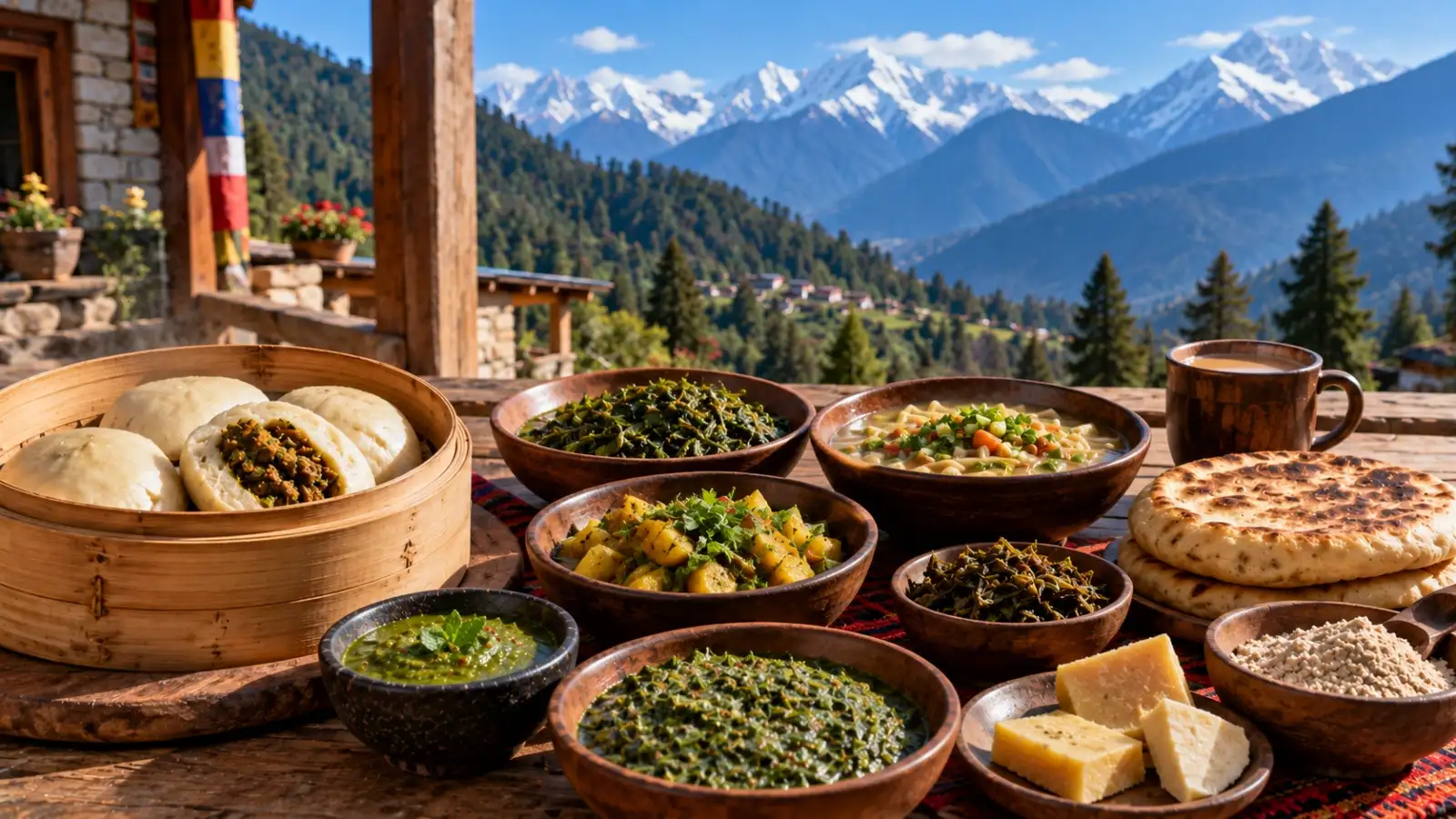
Cold weather, steep terrain and shorter growing seasons have influenced everything from the grains people grow to the way food is preserved. In many mountain communities, recipes were designed to be filling, warming and practical. Ingredients such as buckwheat, millets, fermented vegetables, local greens, dried meat and pulses became important because they could survive challenging conditions.
Exploring these lesser-known Indian mountain foods is therefore about more than trying something unusual. Each dish offers a glimpse into the environment, history and everyday life of the community that created it.
The steaming method makes sense in a cold mountain environment because it produces a soft and filling food without requiring extensive frying. Siddu is commonly eaten with ghee, dal or a savoury curry.
What makes it interesting is its connection with everyday home cooking. It is not simply a festive food but part of the traditional food culture of several Himalayan communities.
The seeds provide a nutty flavour, while the fresh ingredients make the chutney bright and sharp. It is traditionally served with everyday foods such as roti and local vegetables.
The dish reflects the importance of making use of ingredients that grow or are readily available in mountain environments. Despite its simple preparation, it adds considerable flavour to otherwise basic meals.
The greens are cooked with spices and often thickened with a little flour or grain based ingredient. The result is a hearty dish that pairs well with rice or roti.
Kafuli reflects the practical nature of mountain cooking. Seasonal greens that may be available locally can be transformed into a nourishing meal rather than being wasted.
Radish is particularly useful in mountain food traditions because it can be stored and used during colder periods. The combination of meat and vegetables also makes the dish filling.
Phagshapa reflects the food traditions of Sikkim, where local ingredients and Tibetan, Nepalese and other Himalayan influences have shaped regional cooking.
Leafy vegetables are fermented and then dried, allowing them to be stored for longer periods. This was particularly useful in mountain communities where fresh produce could become difficult to obtain during certain seasons.
Gundruk can be used in soups and other preparations. Its sour, earthy flavour is very different from fresh vegetables and shows how fermentation can turn a seasonal ingredient into a longer lasting food.
Hard varieties can be stored for long periods, making them useful in places where fresh dairy products may not always be easy to preserve. The texture can be extremely firm, while softer versions are used more like fresh cheese.
Its story is closely connected with pastoral life and the need to preserve valuable milk.
Barley is well suited to the high altitude environment of Ladakh because it can grow under challenging conditions. This makes it an important part of the region's traditional diet.
The food demonstrates how mountain communities build cuisine around crops that can survive their local climate.
The warm soup is particularly suited to cold mountain weather. Its handmade noodles also give it a distinctive texture.
Different communities prepare similar dishes in their own ways, showing how Himalayan food traditions often overlap while retaining local identities.
It can be cooked with spices and other local ingredients to create a filling accompaniment. Such foods demonstrate how mountain cuisines often rely on hardy crops that can provide energy and grow in challenging conditions.
Bread has particular importance in high altitude regions because it can be made from locally grown grains and served with vegetables, meat, soups or tea. Khambir is often enjoyed with butter tea and other traditional foods.
Its continued presence in Ladakhi homes reflects how simple staple foods can become deeply connected with regional identity.
This is why fermentation, drying, smoking and slow cooking appear so often in mountain food traditions. These methods were practical solutions to the challenges created by geography and climate.
Over time, practical recipes became cultural traditions. A particular bread could become associated with family gatherings, while a fermented vegetable could remain an essential ingredient long after modern refrigeration became available.
Exploring these foods today offers travellers a chance to understand India through its kitchens. The dishes may not always appear on mainstream restaurant menus, but they carry stories about agriculture, migration, climate and community life.
For anyone interested in Indian food beyond familiar regional favourites, mountain cuisine offers an extraordinary variety of flavours. The next time you travel through the Himalayas, look beyond the most popular dishes. A simple bowl of fermented greens, a handmade bread or a traditional mountain cheese may tell you more about the place than a souvenir ever could.
Cold weather, steep terrain and shorter growing seasons have influenced everything from the grains people grow to the way food is preserved. In many mountain communities, recipes were designed to be filling, warming and practical. Ingredients such as buckwheat, millets, fermented vegetables, local greens, dried meat and pulses became important because they could survive challenging conditions.
Exploring these lesser-known Indian mountain foods is therefore about more than trying something unusual. Each dish offers a glimpse into the environment, history and everyday life of the community that created it.
1. Siddu From Himachal Pradesh
Siddu is a traditional steamed bread associated with Himachal Pradesh, particularly the state's mountain regions. Made from fermented wheat dough, it is usually filled with ingredients such as walnuts, lentils or other local mixtures.The steaming method makes sense in a cold mountain environment because it produces a soft and filling food without requiring extensive frying. Siddu is commonly eaten with ghee, dal or a savoury curry.
What makes it interesting is its connection with everyday home cooking. It is not simply a festive food but part of the traditional food culture of several Himalayan communities.
2. Bhaang Ki Chutney From Uttarakhand
Bhaang ki chutney is a distinctive preparation from Uttarakhand made using roasted hemp seeds, commonly combined with coriander, green chilli, salt and acidic ingredients.The seeds provide a nutty flavour, while the fresh ingredients make the chutney bright and sharp. It is traditionally served with everyday foods such as roti and local vegetables.
The dish reflects the importance of making use of ingredients that grow or are readily available in mountain environments. Despite its simple preparation, it adds considerable flavour to otherwise basic meals.
3. Kafuli From Uttarakhand
Kafuli is a traditional Uttarakhand dish made primarily from leafy greens. Spinach, fenugreek and other locally available greens can be used depending on the region and season.The greens are cooked with spices and often thickened with a little flour or grain based ingredient. The result is a hearty dish that pairs well with rice or roti.
Kafuli reflects the practical nature of mountain cooking. Seasonal greens that may be available locally can be transformed into a nourishing meal rather than being wasted.
4. Phagshapa From Sikkim
Phagshapa is a traditional Sikkimese dish made with strips of pork and radish, often cooked with chilli. The ingredients are simmered together to create a simple but deeply flavoured dish.Radish is particularly useful in mountain food traditions because it can be stored and used during colder periods. The combination of meat and vegetables also makes the dish filling.
Phagshapa reflects the food traditions of Sikkim, where local ingredients and Tibetan, Nepalese and other Himalayan influences have shaped regional cooking.
5. Gundruk From the Himalayan Region
Gundruk is a fermented leafy vegetable found in parts of the Himalayan region, including communities in Sikkim and neighbouring areas.Leafy vegetables are fermented and then dried, allowing them to be stored for longer periods. This was particularly useful in mountain communities where fresh produce could become difficult to obtain during certain seasons.
Gundruk can be used in soups and other preparations. Its sour, earthy flavour is very different from fresh vegetables and shows how fermentation can turn a seasonal ingredient into a longer lasting food.
6. Chhurpi From Himalayan Communities
Chhurpi is a traditional Himalayan cheese made from yak or cow milk depending on the region. It is particularly associated with Himalayan communities in areas such as Sikkim, Arunachal Pradesh and parts of the eastern Himalayas.Hard varieties can be stored for long periods, making them useful in places where fresh dairy products may not always be easy to preserve. The texture can be extremely firm, while softer versions are used more like fresh cheese.
Its story is closely connected with pastoral life and the need to preserve valuable milk.
7. Zan From Ladakh
Zan is a traditional Ladakhi food made using roasted barley flour, known locally as tsampa in related Himalayan food traditions. It can be prepared in different ways and combined with vegetables, meat or other ingredients.Barley is well suited to the high altitude environment of Ladakh because it can grow under challenging conditions. This makes it an important part of the region's traditional diet.
The food demonstrates how mountain communities build cuisine around crops that can survive their local climate.
8. Thenthuk From Arunachal Pradesh
Thenthuk is a hearty noodle soup found in parts of the Himalayan region, including Arunachal Pradesh. Handmade pieces of dough are added to a broth along with vegetables and sometimes meat.The warm soup is particularly suited to cold mountain weather. Its handmade noodles also give it a distinctive texture.
Different communities prepare similar dishes in their own ways, showing how Himalayan food traditions often overlap while retaining local identities.
9. Pinalu or Colocasia Based Dishes From Himachal Pradesh
Colocasia, also known as taro or arbi, is used in various traditional Himalayan preparations. In Himachal Pradesh, local cooks have developed ways of turning this starchy root into savoury dishes.It can be cooked with spices and other local ingredients to create a filling accompaniment. Such foods demonstrate how mountain cuisines often rely on hardy crops that can provide energy and grow in challenging conditions.
10. Khambir From Ladakh
Khambir is a traditional Ladakhi bread made using fermented dough. It is generally thicker than many flatbreads and has a distinctive texture and flavour.Bread has particular importance in high altitude regions because it can be made from locally grown grains and served with vegetables, meat, soups or tea. Khambir is often enjoyed with butter tea and other traditional foods.
Its continued presence in Ladakhi homes reflects how simple staple foods can become deeply connected with regional identity.
Why Mountain Food Tells a Bigger Story
Traditional mountain foods often begin with necessity. Communities living in difficult landscapes have historically needed to make careful use of whatever ingredients were available. Crops had to survive short growing seasons, food had to be preserved and meals had to provide enough energy for demanding daily life.This is why fermentation, drying, smoking and slow cooking appear so often in mountain food traditions. These methods were practical solutions to the challenges created by geography and climate.
Over time, practical recipes became cultural traditions. A particular bread could become associated with family gatherings, while a fermented vegetable could remain an essential ingredient long after modern refrigeration became available.
Exploring these foods today offers travellers a chance to understand India through its kitchens. The dishes may not always appear on mainstream restaurant menus, but they carry stories about agriculture, migration, climate and community life.
For anyone interested in Indian food beyond familiar regional favourites, mountain cuisine offers an extraordinary variety of flavours. The next time you travel through the Himalayas, look beyond the most popular dishes. A simple bowl of fermented greens, a handmade bread or a traditional mountain cheese may tell you more about the place than a souvenir ever could.
Next Story