
Japan’s Lesser-Known Mountain Towns Worth Exploring

Japan is often introduced through the bright streets of Tokyo, the temples of Kyoto and the lively atmosphere of Osaka. Yet beyond these famous cities lies another side of the country, shaped by forested mountains, old wooden houses, peaceful valleys and small communities.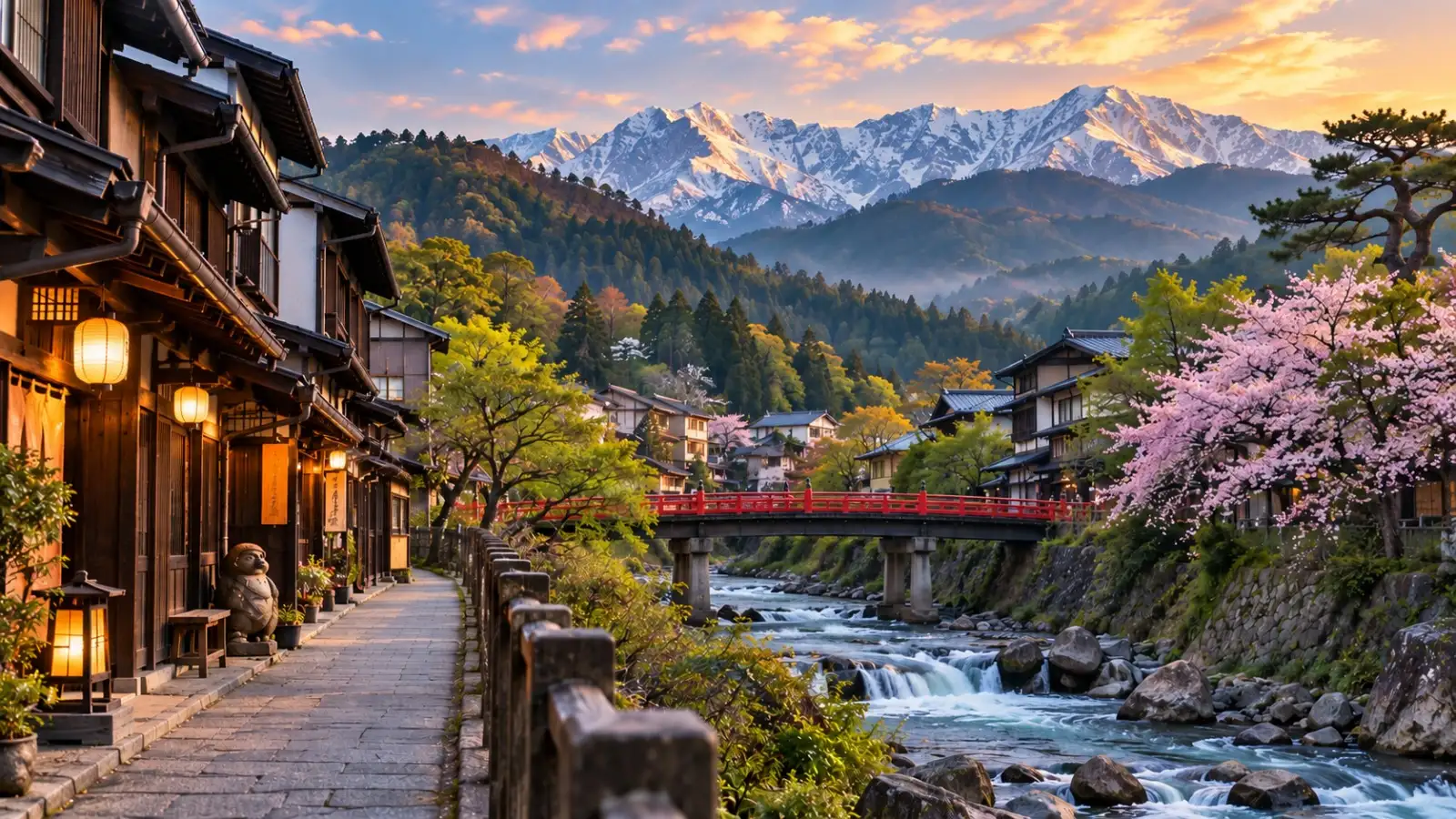
Japan’s mountain towns offer a slower travel experience. Here, narrow roads wind through green hills, traditional homes sit beside streams and centuries-old customs remain part of everyday life. Some towns are famous for historic streets, while others are known for hot springs, hiking trails, autumn colours or dramatic mountain scenery.
For travellers who want to discover Japan beyond the usual tourist route, these hidden mountain towns are well worth considering.
The town is also a useful base for exploring the wider Hida region. Visitors can discover local food, visit historic homes and walk through neighbourhoods where traditional architecture remains an important part of the landscape.
Takayama becomes especially attractive during autumn when the surrounding mountains turn shades of red, orange and gold. Winter brings another kind of beauty, with snow covering rooftops and nearby mountains.
The town's combination of history, food and mountain scenery makes it one of the most rewarding places for travellers looking for a quieter Japan.
Traditional buildings, old streets and wooden structures reflect the area's past as a post town. The surrounding Kiso Valley is covered by forests and mountains, creating excellent opportunities for walking and hiking.
The wider region is also home to sections of the historic Nakasendo trail, where travellers can walk between old settlements and experience landscapes that have changed surprisingly little in appearance.
For anyone interested in traditional Japan, Kiso-Fukushima combines history and nature in a particularly peaceful setting.
Water has long been an important part of the town. Small channels run through parts of the historic area, and the clear rivers surrounding Gujo Hachiman add to its appeal.
The town is also famous for Gujo Odori, a traditional summer dance festival that has been held for centuries. During the festival period, visitors can experience an atmosphere that feels deeply connected to local culture.
Away from the festival, Gujo Hachiman is ideal for slow exploration. Travellers can wander through historic streets, visit the castle overlooking the town and enjoy the surrounding mountain scenery.
The town is centred around its natural hot springs and has a distinctly traditional appearance. Wooden buildings, stone paths, small bridges and forested hills create an environment that feels far removed from the modern city.
Visitors can spend their time moving between different hot spring baths, walking through the town or simply enjoying the quiet surroundings. The changing seasons give Kurokawa a different character throughout the year, from fresh greenery in spring to colourful foliage in autumn.
It is an ideal destination for travellers who want relaxation rather than a packed sightseeing schedule.
The town stretches along a narrow valley and features traditional wooden buildings lining the old road. Many of these structures now house small restaurants, shops and accommodation, allowing visitors to experience the historic setting rather than simply look at it.
The surrounding mountains make Narai particularly attractive during autumn, while the quieter atmosphere of the town works well for travellers who prefer walking to rushing between attractions.
A visit to Narai can easily be combined with a hike along parts of the Nakasendo. The experience offers a glimpse of rural Japan that feels very different from the country's better-known urban destinations.
The village is best known for its distinctive funaya, traditional boat houses built directly along the waterfront. Many have lower levels designed for boats, with living spaces above.
The surrounding hills and peaceful waters create a remarkably calm setting. Visitors can explore the village on foot, learn about its unusual architecture and enjoy views across the bay.
Ine is particularly interesting for travellers who want to see how traditional Japanese communities adapted their homes and lifestyles to the local landscape.
The town is known for its old streets, white-walled storehouses, canals and traditional wooden buildings. Small waterways run alongside parts of the historic district, adding to the town's peaceful atmosphere.
Hida-Furukawa is also surrounded by mountains, making it a pleasant base for exploring rural landscapes and nearby villages. During festival periods, the town becomes livelier, with traditional floats and local celebrations bringing its cultural heritage to life.
For travellers who find Takayama too busy, Hida-Furukawa offers a more relaxed experience while retaining much of the region's traditional charm.
These towns also reveal how closely Japanese life has historically been connected to the natural landscape. Mountains influenced where communities developed, forests provided resources, rivers shaped settlements and hot springs became centres of relaxation and culture.
Each destination has its own character. Takayama and Hida-Furukawa showcase traditional Hida architecture, Kiso-Fukushima and Narai connect visitors with the historic Nakasendo route, while Kurokawa Onsen offers a peaceful introduction to Japan's mountain hot springs.
Travellers should remember that smaller communities may have limited transport, accommodation and dining options compared with Tokyo or Kyoto. Checking local transport schedules in advance can make the journey much easier. It is also important to respect quiet neighbourhoods, local customs and private properties when exploring rural areas.
Whether you are walking through an old post town, soaking in a forest hot spring or exploring traditional wooden streets beside a mountain river, these destinations provide a chance to slow down and appreciate the details.
For travellers searching for hidden places in Japan, these mountain towns can offer some of the country's most peaceful and memorable experiences.
Japan’s mountain towns offer a slower travel experience. Here, narrow roads wind through green hills, traditional homes sit beside streams and centuries-old customs remain part of everyday life. Some towns are famous for historic streets, while others are known for hot springs, hiking trails, autumn colours or dramatic mountain scenery.
For travellers who want to discover Japan beyond the usual tourist route, these hidden mountain towns are well worth considering.
1. Takayama, Gifu
Surrounded by the mountains of the Japanese Alps, Takayama offers a very different atmosphere from Japan’s major cities. Its old town is known for traditional wooden buildings, small shops, restaurants and streets that preserve the character of an earlier period.The town is also a useful base for exploring the wider Hida region. Visitors can discover local food, visit historic homes and walk through neighbourhoods where traditional architecture remains an important part of the landscape.
Takayama becomes especially attractive during autumn when the surrounding mountains turn shades of red, orange and gold. Winter brings another kind of beauty, with snow covering rooftops and nearby mountains.
The town's combination of history, food and mountain scenery makes it one of the most rewarding places for travellers looking for a quieter Japan.
2. Kiso-Fukushima, Nagano
Kiso-Fukushima sits along the historic Nakasendo route, an old road that once connected Kyoto and Edo, present-day Tokyo. Today, the town provides a fascinating way to experience Japan's mountain history without the crowds found in its biggest tourist centres.Traditional buildings, old streets and wooden structures reflect the area's past as a post town. The surrounding Kiso Valley is covered by forests and mountains, creating excellent opportunities for walking and hiking.
The wider region is also home to sections of the historic Nakasendo trail, where travellers can walk between old settlements and experience landscapes that have changed surprisingly little in appearance.
For anyone interested in traditional Japan, Kiso-Fukushima combines history and nature in a particularly peaceful setting.
3. Gujo Hachiman, Gifu
Gujo Hachiman is a charming mountain town surrounded by green hills and clear waterways. Its traditional streets, small canals and old houses give it a distinctly peaceful character.Water has long been an important part of the town. Small channels run through parts of the historic area, and the clear rivers surrounding Gujo Hachiman add to its appeal.
The town is also famous for Gujo Odori, a traditional summer dance festival that has been held for centuries. During the festival period, visitors can experience an atmosphere that feels deeply connected to local culture.
Away from the festival, Gujo Hachiman is ideal for slow exploration. Travellers can wander through historic streets, visit the castle overlooking the town and enjoy the surrounding mountain scenery.
4. Kurokawa Onsen, Kumamoto
Hidden among the mountains of Kyushu, Kurokawa Onsen is a particularly atmospheric destination for travellers who want to experience Japan's traditional hot spring culture.The town is centred around its natural hot springs and has a distinctly traditional appearance. Wooden buildings, stone paths, small bridges and forested hills create an environment that feels far removed from the modern city.
Visitors can spend their time moving between different hot spring baths, walking through the town or simply enjoying the quiet surroundings. The changing seasons give Kurokawa a different character throughout the year, from fresh greenery in spring to colourful foliage in autumn.
It is an ideal destination for travellers who want relaxation rather than a packed sightseeing schedule.
5. Narai, Nagano
Narai is another historic settlement along the old Nakasendo route and is one of the places where Japan's past remains particularly visible.The town stretches along a narrow valley and features traditional wooden buildings lining the old road. Many of these structures now house small restaurants, shops and accommodation, allowing visitors to experience the historic setting rather than simply look at it.
The surrounding mountains make Narai particularly attractive during autumn, while the quieter atmosphere of the town works well for travellers who prefer walking to rushing between attractions.
A visit to Narai can easily be combined with a hike along parts of the Nakasendo. The experience offers a glimpse of rural Japan that feels very different from the country's better-known urban destinations.
6. Ine, Kyoto Prefecture
Ine is technically a coastal village rather than a mountain town, but its location between forested hills and the Sea of Japan makes it a worthwhile addition for travellers exploring the quieter areas beyond Kyoto.The village is best known for its distinctive funaya, traditional boat houses built directly along the waterfront. Many have lower levels designed for boats, with living spaces above.
The surrounding hills and peaceful waters create a remarkably calm setting. Visitors can explore the village on foot, learn about its unusual architecture and enjoy views across the bay.
Ine is particularly interesting for travellers who want to see how traditional Japanese communities adapted their homes and lifestyles to the local landscape.
7. Hida-Furukawa, Gifu
Located close to Takayama, Hida-Furukawa offers a quieter alternative for visitors who want to explore the traditional culture of the Hida region.The town is known for its old streets, white-walled storehouses, canals and traditional wooden buildings. Small waterways run alongside parts of the historic district, adding to the town's peaceful atmosphere.
You may also like
- “It's not about taking credit”: MP youth, 'Bittu Tabahi', who cleaned a garbage-filled river responds to Dhruv Rathee's 'PR' and 'photoshoot' remark
- Glowing Skin in 7 Days? The Truth About Detox Drinks
- Zona Hardening: Can the Egg's Outer Layer Affect Fertility Treatment?
- Do you spread ghee on your rotis? This could lead to a serious illness.
- Light a little camphor on the night of Pithori Amavasya; the atmosphere of your home will transform overnight..
Hida-Furukawa is also surrounded by mountains, making it a pleasant base for exploring rural landscapes and nearby villages. During festival periods, the town becomes livelier, with traditional floats and local celebrations bringing its cultural heritage to life.
For travellers who find Takayama too busy, Hida-Furukawa offers a more relaxed experience while retaining much of the region's traditional charm.
Why Japan’s Mountain Towns Are Worth Exploring
The biggest attraction of these mountain towns is the opportunity to experience a slower side of Japan. Instead of spending the day moving between crowded stations and famous landmarks, travellers can walk through quiet streets, sit beside a river or spend an afternoon exploring a small local market.These towns also reveal how closely Japanese life has historically been connected to the natural landscape. Mountains influenced where communities developed, forests provided resources, rivers shaped settlements and hot springs became centres of relaxation and culture.
Each destination has its own character. Takayama and Hida-Furukawa showcase traditional Hida architecture, Kiso-Fukushima and Narai connect visitors with the historic Nakasendo route, while Kurokawa Onsen offers a peaceful introduction to Japan's mountain hot springs.
Travellers should remember that smaller communities may have limited transport, accommodation and dining options compared with Tokyo or Kyoto. Checking local transport schedules in advance can make the journey much easier. It is also important to respect quiet neighbourhoods, local customs and private properties when exploring rural areas.
A Different Way to Discover Japan
Japan's most famous cities deserve their popularity, but they represent only one part of the country. Beyond Tokyo and Kyoto, mountain valleys and small historic communities offer a completely different travel experience.Whether you are walking through an old post town, soaking in a forest hot spring or exploring traditional wooden streets beside a mountain river, these destinations provide a chance to slow down and appreciate the details.
For travellers searching for hidden places in Japan, these mountain towns can offer some of the country's most peaceful and memorable experiences.






Loving Newspoint? Download the app now
