
The Indian Destination That Looks Like Europe

You do not always need to leave India to experience a place that feels surprisingly European. Across the country, there are destinations where colonial architecture, mountain landscapes, old churches, cobbled-looking streets and cool weather create an atmosphere that can remind visitors of parts of Europe.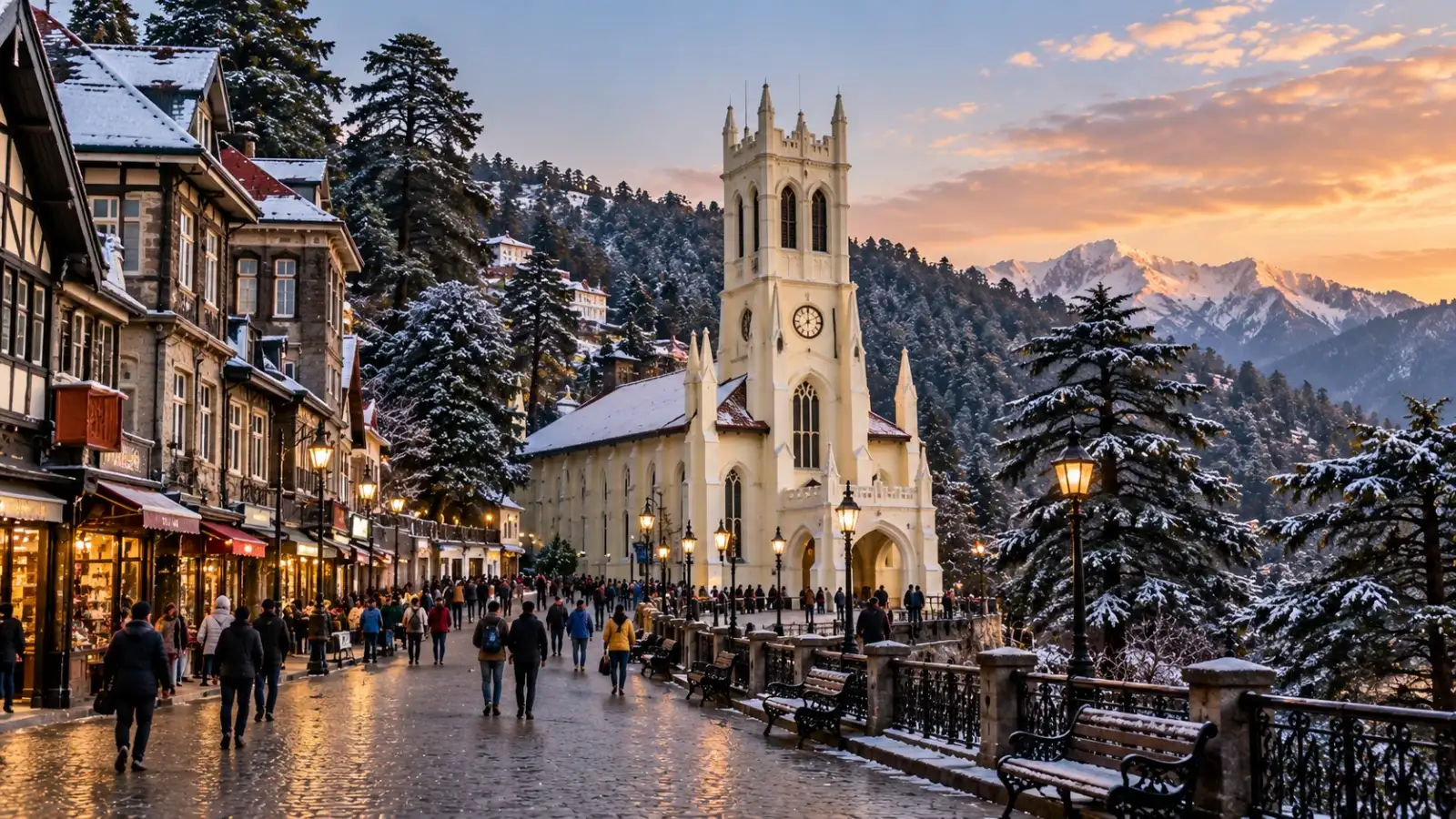
One destination stands out for the way its architecture and natural setting come together. Shimla, the historic hill station in Himachal Pradesh, has long attracted visitors with its mountain views, heritage buildings and distinctive colonial character.
Perched in the Himalayas, Shimla looks very different from the crowded plains of northern India. Its sloping streets, Victorian-era structures, pine-covered hills and chilly winters have helped give it a European feel, particularly in its older central areas.
Walking around central Shimla, visitors can see structures with features associated with Victorian and Tudor-inspired architecture. Tall windows, sloping roofs, stonework and timber details give parts of the town an appearance that feels very different from most Indian cities.
The surrounding Himalayan landscape adds to the impression. During winter, snow can cover the hills and rooftops, creating scenery that can resemble a European mountain town.
However, Shimla is not simply an imitation of Europe. Its Indian identity is visible everywhere, from local food and markets to temples, traditions and the people who live and work there.
The historic Christ Church stands prominently here, with its distinctive neo-Gothic appearance. Dating from the 19th century, it is one of Shimla's most recognisable landmarks.
The Ridge is also a popular meeting point for residents and visitors. During the day, it can be lively and crowded, while winter weather can completely change its appearance.
For travellers interested in the European side of Shimla, the combination of historic buildings, mountain views and cool weather makes this one of the most atmospheric places to explore.
Walking along the road gives visitors a chance to experience both sides of Shimla. Heritage architecture sits alongside modern businesses, while mountain views appear between buildings.
The area becomes particularly atmospheric in the evening when the streets are busy with people enjoying the cooler weather.
If you want a slower experience, explore the side streets branching away from Mall Road. These quieter lanes can reveal older buildings and views that are easy to miss when following the main tourist route.
Its architecture combines elements associated with Scottish Baronial and other European styles. The large stone structure, steep roofs and surrounding grounds make it look distinctly different from traditional Indian palaces and forts.
Today, the building is associated with the Indian Institute of Advanced Study, and visitors can explore parts of the historic property.
The surrounding grounds are also worth seeing, particularly for travellers interested in architecture and history.
Their architecture, location and surrounding greenery create a visual contrast with the temples and other traditional structures found elsewhere in the region.
Visitors interested in heritage should take time to look beyond the most famous buildings. Some of Shimla's charm comes from seeing how different architectural traditions exist within the same small mountain town.
Located around 16 kilometres from Shimla, Kufri sits at a higher elevation and is known for its Himalayan scenery, particularly during winter.
Snowfall can transform the landscape into a bright winter scene, attracting visitors looking for snow activities and mountain views.
Conditions can vary considerably, so it is sensible to check the weather before planning a winter excursion. Roads can also become difficult during periods of heavy snowfall.
Spring and summer bring pleasant weather and greener landscapes, making them suitable for walking and sightseeing. The monsoon can bring rain, while autumn often offers clearer skies and comfortable temperatures.
Winter is the season most likely to create the European mountain-town appearance many visitors are looking for. Snowfall can cover rooftops, roads and surrounding hills, although snow is not guaranteed on every winter visit.
If snow is your main reason for travelling, check current weather conditions and local updates before making plans.
Do not limit your visit to famous attractions. Look at the buildings, old balconies, sloping roofs and stone walls as you move through the town. These small details are what create much of Shimla's historic atmosphere.
You can also combine a heritage walk with time in the surrounding hills. The contrast between colonial architecture and Himalayan scenery is one of the destination's strongest features.
Try local Himachali dishes during your visit as well. Experiencing regional food is a reminder that although parts of Shimla may look European, its culture remains deeply rooted in Himachal Pradesh.
British-era architecture sits alongside Indian traditions, Himalayan landscapes surround a busy modern town and historic buildings continue to serve contemporary purposes.
That combination is what makes Shimla interesting. You can walk past a neo-Gothic church, stop for Indian food, look towards snow-covered mountains and explore a local market, all within the same day.
For travellers searching for an Indian destination that looks like Europe, Shimla offers one of the most convincing experiences. But rather than trying to be European, the hill station has developed its own identity from the meeting of history, geography and local culture.
One destination stands out for the way its architecture and natural setting come together. Shimla, the historic hill station in Himachal Pradesh, has long attracted visitors with its mountain views, heritage buildings and distinctive colonial character.
Perched in the Himalayas, Shimla looks very different from the crowded plains of northern India. Its sloping streets, Victorian-era structures, pine-covered hills and chilly winters have helped give it a European feel, particularly in its older central areas.
Shimla: A Hill Station With a European Feel
Shimla developed significantly during the British colonial period and became the summer capital of British India in the 19th century. Its historic core still contains numerous buildings reflecting architectural styles introduced during that period.Walking around central Shimla, visitors can see structures with features associated with Victorian and Tudor-inspired architecture. Tall windows, sloping roofs, stonework and timber details give parts of the town an appearance that feels very different from most Indian cities.
The surrounding Himalayan landscape adds to the impression. During winter, snow can cover the hills and rooftops, creating scenery that can resemble a European mountain town.
However, Shimla is not simply an imitation of Europe. Its Indian identity is visible everywhere, from local food and markets to temples, traditions and the people who live and work there.
The Ridge: The Heart of Shimla
The Ridge is one of the most recognisable areas in Shimla. This broad open space in the centre of the town offers views towards the surrounding mountains and connects several important parts of the city.The historic Christ Church stands prominently here, with its distinctive neo-Gothic appearance. Dating from the 19th century, it is one of Shimla's most recognisable landmarks.
The Ridge is also a popular meeting point for residents and visitors. During the day, it can be lively and crowded, while winter weather can completely change its appearance.
For travellers interested in the European side of Shimla, the combination of historic buildings, mountain views and cool weather makes this one of the most atmospheric places to explore.
Mall Road: Walk Through Historic Shimla
Mall Road runs through the heart of Shimla and is one of the town's main pedestrian areas. It is lined with shops, cafés, restaurants and historic buildings.Walking along the road gives visitors a chance to experience both sides of Shimla. Heritage architecture sits alongside modern businesses, while mountain views appear between buildings.
The area becomes particularly atmospheric in the evening when the streets are busy with people enjoying the cooler weather.
If you want a slower experience, explore the side streets branching away from Mall Road. These quieter lanes can reveal older buildings and views that are easy to miss when following the main tourist route.
Viceregal Lodge: A Grand Piece of Colonial Architecture
The Viceregal Lodge, now known as Rashtrapati Niwas, is one of Shimla's most impressive heritage buildings. It was built during the British period and served as the residence of the Viceroy of India.Its architecture combines elements associated with Scottish Baronial and other European styles. The large stone structure, steep roofs and surrounding grounds make it look distinctly different from traditional Indian palaces and forts.
Today, the building is associated with the Indian Institute of Advanced Study, and visitors can explore parts of the historic property.
The surrounding grounds are also worth seeing, particularly for travellers interested in architecture and history.
Shimla's Churches Add to Its Character
Shimla's historic churches contribute significantly to its European-looking appearance. Christ Church is the best known, but other churches around the old town also reflect the colonial history of the hill station.Their architecture, location and surrounding greenery create a visual contrast with the temples and other traditional structures found elsewhere in the region.
Visitors interested in heritage should take time to look beyond the most famous buildings. Some of Shimla's charm comes from seeing how different architectural traditions exist within the same small mountain town.
Kufri: Mountain Scenery Near Shimla
For travellers who want to combine Shimla's architecture with a more natural mountain experience, Kufri is a popular excursion.Located around 16 kilometres from Shimla, Kufri sits at a higher elevation and is known for its Himalayan scenery, particularly during winter.
Snowfall can transform the landscape into a bright winter scene, attracting visitors looking for snow activities and mountain views.
Conditions can vary considerably, so it is sensible to check the weather before planning a winter excursion. Roads can also become difficult during periods of heavy snowfall.
When to Visit Shimla
Shimla offers different experiences depending on the season.Spring and summer bring pleasant weather and greener landscapes, making them suitable for walking and sightseeing. The monsoon can bring rain, while autumn often offers clearer skies and comfortable temperatures.
Winter is the season most likely to create the European mountain-town appearance many visitors are looking for. Snowfall can cover rooftops, roads and surrounding hills, although snow is not guaranteed on every winter visit.
You may also like
- Jennifer Garner's garden isn't just for show: The vegetables, herbs, and hands-on hobby that have become part of the actor's life
- Kendall Jenner turned heads in the simplest golden dress at Venice Film Festival
- Clicking or Popping Hips During Pregnancy: Causes & Tips
- Create a Resume Using AI and Succeed in Job Interviews
- ATM Rules Changed: Public sector bank reduces free transaction limit; check new charges before withdrawing cash..
If snow is your main reason for travelling, check current weather conditions and local updates before making plans.
How to Experience the European Side of Shimla
The best way to appreciate Shimla's distinctive character is on foot. Start around the Ridge and Christ Church, walk along Mall Road and explore the historic streets nearby.Do not limit your visit to famous attractions. Look at the buildings, old balconies, sloping roofs and stone walls as you move through the town. These small details are what create much of Shimla's historic atmosphere.
You can also combine a heritage walk with time in the surrounding hills. The contrast between colonial architecture and Himalayan scenery is one of the destination's strongest features.
Try local Himachali dishes during your visit as well. Experiencing regional food is a reminder that although parts of Shimla may look European, its culture remains deeply rooted in Himachal Pradesh.
More Than a European Looking Destination
Shimla's European appearance is only one part of its appeal. Its real character comes from the meeting of several influences.British-era architecture sits alongside Indian traditions, Himalayan landscapes surround a busy modern town and historic buildings continue to serve contemporary purposes.
That combination is what makes Shimla interesting. You can walk past a neo-Gothic church, stop for Indian food, look towards snow-covered mountains and explore a local market, all within the same day.
For travellers searching for an Indian destination that looks like Europe, Shimla offers one of the most convincing experiences. But rather than trying to be European, the hill station has developed its own identity from the meeting of history, geography and local culture.






Loving Newspoint? Download the app now
