
8 Best Cave Destinations in the World for a Unique Travel Experience

Caves have always attracted people because they combine mystery, natural beauty and a sense of discovery. Formed slowly through processes involving water, rock and time, they can create enormous underground chambers, narrow passages, unusual formations and hidden lakes. In some parts of the world, caves have also shaped where people built homes, religious sites and entire communities.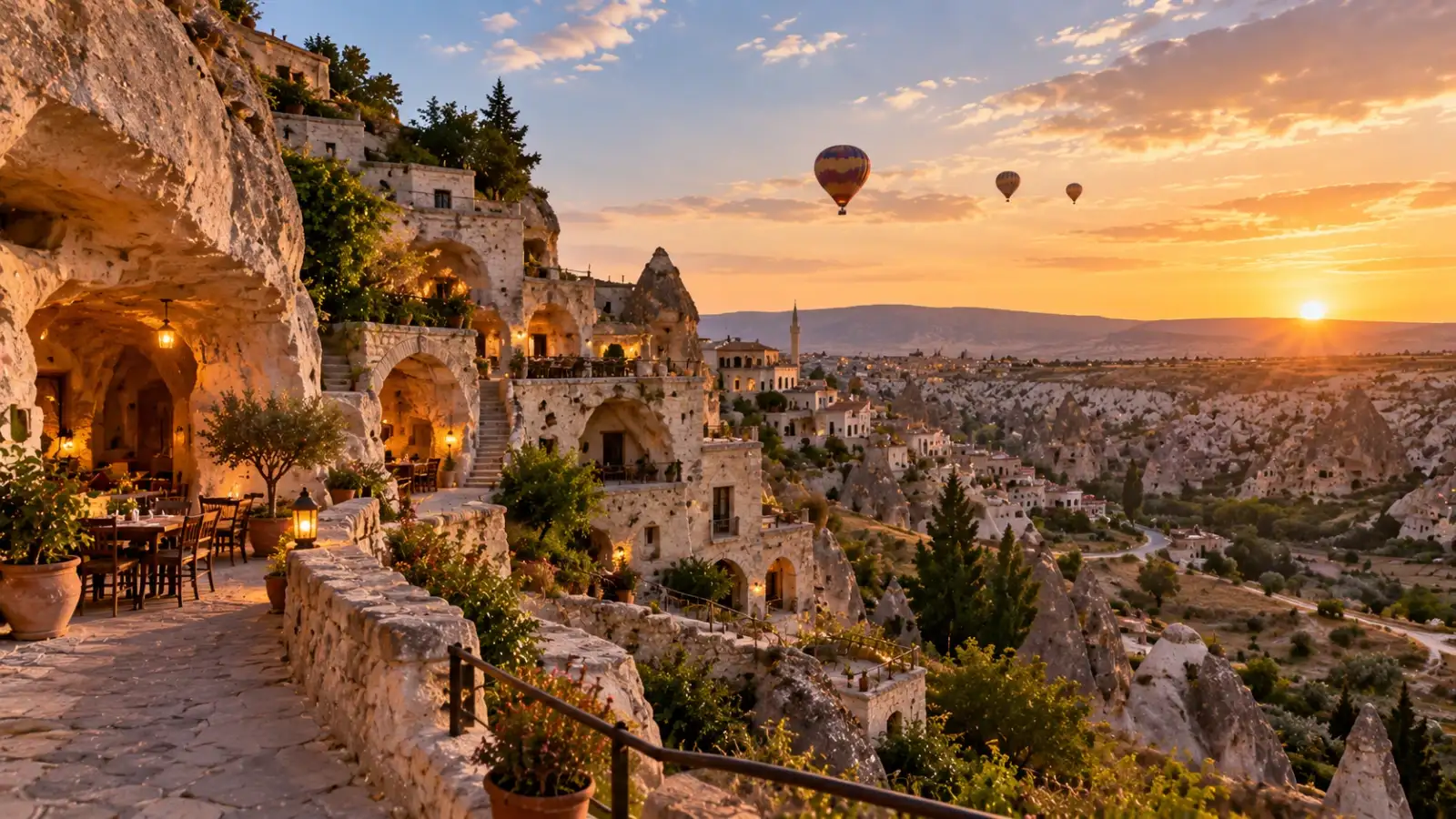
For travellers, a destination built around natural caves can offer much more than a guided underground tour. Some cave regions are surrounded by forests and mountains, while others have developed villages, cultural attractions and outdoor activities around their unusual landscapes. If you are looking for unique travel destinations with a strong connection to nature, these eight places are worth discovering.
Some cave homes have been carefully restored and transformed into accommodation, restaurants and cultural spaces. Walking through the steep streets reveals layers of buildings blending into the rocky landscape. The result is a destination where natural caves are closely connected with centuries of human settlement.
The towns of Göreme and Uçhisar provide convenient bases for exploring the region. Walking through the valleys allows visitors to see cave structures alongside distinctive rock formations. Underground cities add another fascinating dimension, showing how communities used the landscape for shelter and everyday life.
The region is particularly known for its glowworms, which create tiny points of light inside dark cave chambers. Guided experiences allow visitors to explore parts of the underground network while learning about its geology and natural environment.
The surrounding countryside also offers walking and outdoor activities, making Waitomo more than a single cave attraction.
Phong Nha Cave can be explored by boat, creating a different type of underground experience. The wider area is also associated with enormous cave systems and adventurous trekking routes. Visitors can combine cave exploration with time in the surrounding national park, where the landscape above ground is almost as impressive as what lies beneath it.
One distinctive feature of visiting the cave is the underground railway, which has been used as part of the visitor experience for generations. Nearby Predjama Castle provides another interesting stop, with the castle built into a dramatic rock face above a cave system.
Together, the caves and surrounding attractions make the area a useful destination for travellers interested in geology and historic architecture.
Some caves have been developed with paths and lighting that allow visitors to see stalactites, stalagmites and large underground chambers. The wider landscape is equally important, with rivers, limestone peaks and rural communities creating a distinctive setting.
A trip here can therefore combine cave exploration with cycling, river journeys and walks through the countryside.
Visitors can see large chambers filled with formations created over thousands of years. The lower section has traditionally been explored by boat when water conditions allow, adding another element to the experience.
The caves are surrounded by green landscapes, making the destination a striking contrast to the busy urban environment of nearby Beirut.
Baradla Cave is among the best known caves in the region and offers guided visits through sections of the underground system. Above ground, the surrounding karst landscape provides opportunities for walking and nature exploration.
The region is especially appealing to travellers who want to combine geology with quieter rural landscapes rather than visiting a cave as part of a busy city itinerary.
They can also tell stories about human history. In many destinations, caves were used for shelter, worship, storage or even entire settlements. Places such as Matera and Cappadocia demonstrate how closely people can adapt to unusual natural environments.
Cave travel does require some preparation. Conditions underground can be cool, damp and slippery, while some tours involve stairs or uneven surfaces. Comfortable footwear is useful, and visitors should follow local safety instructions rather than exploring restricted areas independently.
The best cave destinations also offer plenty to do above ground. Forests, mountains, rivers, villages and historic sites can turn a cave visit into part of a much larger travel experience.
If you are searching for unusual places to visit, consider destinations where caves are more than isolated attractions. When underground landscapes become part of local history, architecture and tourism, they can provide some of the most memorable travel experiences in the world.
For travellers, a destination built around natural caves can offer much more than a guided underground tour. Some cave regions are surrounded by forests and mountains, while others have developed villages, cultural attractions and outdoor activities around their unusual landscapes. If you are looking for unique travel destinations with a strong connection to nature, these eight places are worth discovering.
1. Matera, Italy
Matera is one of the most fascinating destinations for travellers interested in cave dwellings . Its historic Sassi districts contain homes, churches and other spaces carved into or built directly against the natural rock.Some cave homes have been carefully restored and transformed into accommodation, restaurants and cultural spaces. Walking through the steep streets reveals layers of buildings blending into the rocky landscape. The result is a destination where natural caves are closely connected with centuries of human settlement.
2. Cappadocia, Türkiye
Cappadocia is famous for its unusual rock formations and cave settlements. Over centuries, people carved homes, churches and storage spaces into the soft volcanic rock.The towns of Göreme and Uçhisar provide convenient bases for exploring the region. Walking through the valleys allows visitors to see cave structures alongside distinctive rock formations. Underground cities add another fascinating dimension, showing how communities used the landscape for shelter and everyday life.
3. Waitomo, New Zealand
The Waitomo region on New Zealand's North Island is famous for its extensive cave systems. The caves contain underground rivers, chambers and distinctive formations created over long periods.The region is particularly known for its glowworms, which create tiny points of light inside dark cave chambers. Guided experiences allow visitors to explore parts of the underground network while learning about its geology and natural environment.
The surrounding countryside also offers walking and outdoor activities, making Waitomo more than a single cave attraction.
4. Phong Nha, Vietnam
Phong Nha is home to some of Vietnam's most impressive cave landscapes. The region contains a large network of caves surrounded by limestone mountains, forests and rivers.Phong Nha Cave can be explored by boat, creating a different type of underground experience. The wider area is also associated with enormous cave systems and adventurous trekking routes. Visitors can combine cave exploration with time in the surrounding national park, where the landscape above ground is almost as impressive as what lies beneath it.
5. Postojna, Slovenia
Postojna is one of Slovenia's best known cave destinations. The Postojna Cave system features large chambers, underground passages and dramatic limestone formations.One distinctive feature of visiting the cave is the underground railway, which has been used as part of the visitor experience for generations. Nearby Predjama Castle provides another interesting stop, with the castle built into a dramatic rock face above a cave system.
Together, the caves and surrounding attractions make the area a useful destination for travellers interested in geology and historic architecture.
6. Guilin and Yangshuo, China
The limestone landscapes around Guilin and Yangshuo are famous for their dramatic karst formations. The region contains numerous caves shaped by water over long periods.Some caves have been developed with paths and lighting that allow visitors to see stalactites, stalagmites and large underground chambers. The wider landscape is equally important, with rivers, limestone peaks and rural communities creating a distinctive setting.
A trip here can therefore combine cave exploration with cycling, river journeys and walks through the countryside.
7. Jeita, Lebanon
The Jeita Grotto complex near Beirut contains an impressive network of limestone caves. The site is divided into upper and lower sections, creating different ways to experience the underground landscape.Visitors can see large chambers filled with formations created over thousands of years. The lower section has traditionally been explored by boat when water conditions allow, adding another element to the experience.
The caves are surrounded by green landscapes, making the destination a striking contrast to the busy urban environment of nearby Beirut.
8. Aggtelek, Hungary and Slovakia
The caves of the Aggtelek Karst and Slovak Karst region form an extensive underground network crossing the border between Hungary and Slovakia. The area is known for its limestone formations and large cave chambers.Baradla Cave is among the best known caves in the region and offers guided visits through sections of the underground system. Above ground, the surrounding karst landscape provides opportunities for walking and nature exploration.
The region is especially appealing to travellers who want to combine geology with quieter rural landscapes rather than visiting a cave as part of a busy city itinerary.
Why Cave Destinations Are So Fascinating
Natural caves offer travellers a chance to experience landscapes that cannot be seen from a normal road or walking trail. Underground rivers, enormous chambers and unusual rock formations reveal a side of nature that usually remains hidden.They can also tell stories about human history. In many destinations, caves were used for shelter, worship, storage or even entire settlements. Places such as Matera and Cappadocia demonstrate how closely people can adapt to unusual natural environments.
Cave travel does require some preparation. Conditions underground can be cool, damp and slippery, while some tours involve stairs or uneven surfaces. Comfortable footwear is useful, and visitors should follow local safety instructions rather than exploring restricted areas independently.
The best cave destinations also offer plenty to do above ground. Forests, mountains, rivers, villages and historic sites can turn a cave visit into part of a much larger travel experience.
If you are searching for unusual places to visit, consider destinations where caves are more than isolated attractions. When underground landscapes become part of local history, architecture and tourism, they can provide some of the most memorable travel experiences in the world.
Next Story