
South Indian Diet: A Light, Nutritious, and Delicious Way to Eat for Better Health

The South Indian diet is often praised for its simplicity, nutritional richness, and taste. Unlike some heavy and oil-laden food traditions, South Indian cuisine revolves around steamed, fermented, and lightly spiced dishes made from rice, lentils, vegetables, and coconut. With a fine balance of carbs, proteins, and fibre, the South Indian way of eating is ideal for those seeking a light, healthy, and sustainable diet.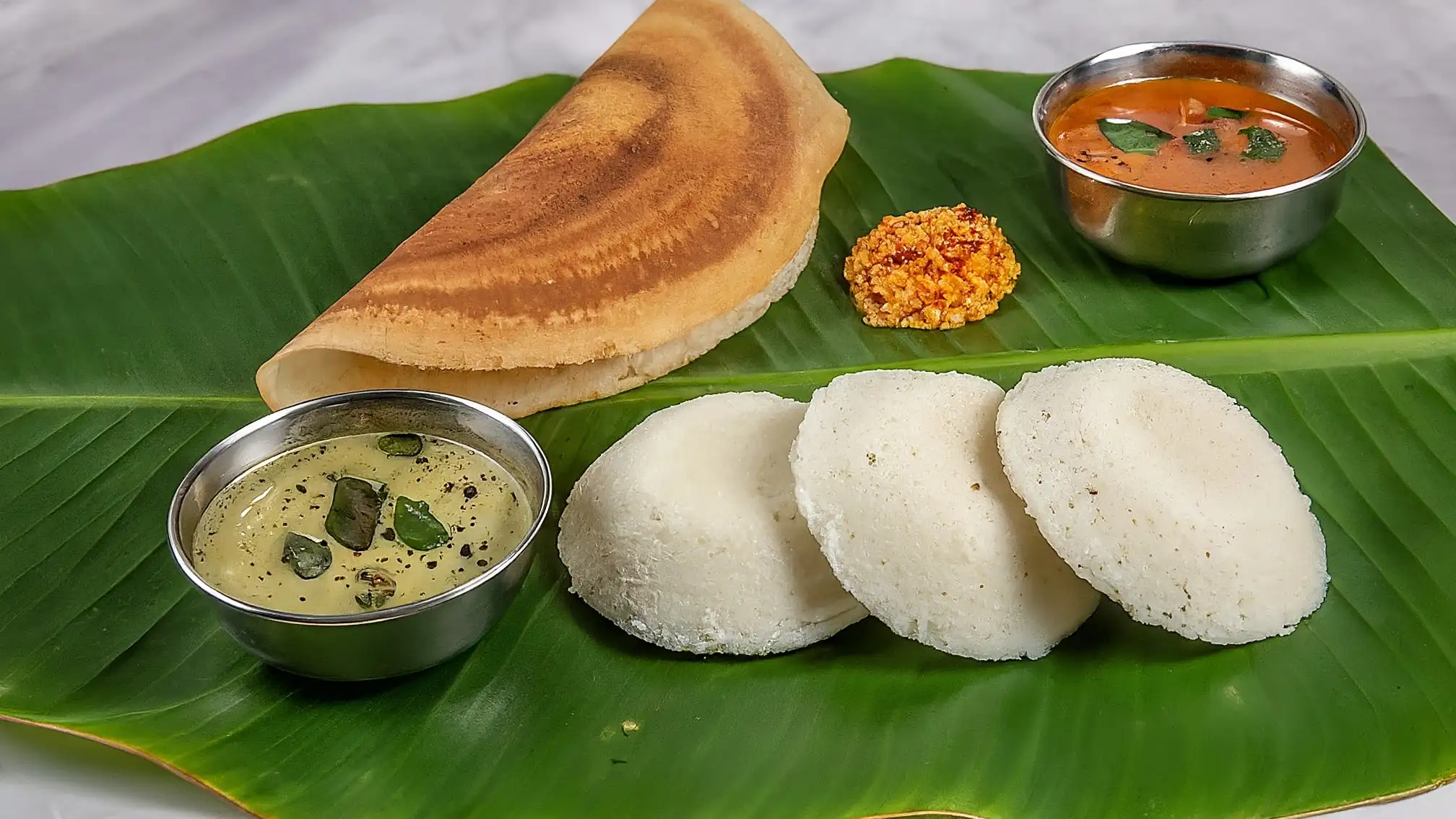
In this article, we explore the core components, health benefits, and popular dishes of the South Indian diet, along with tips on how to incorporate it into your daily routine.
This combination of ingredients makes the South Indian diet naturally gluten-free, fibre-rich, and gut-friendly.
The South Indian diet is more than just a regional cuisine—it’s a balanced and wholesome way of eating that supports gut health, manages weight, and provides complete nutrition. By embracing its light cooking methods, fermented foods, and plant-based richness, you can enjoy meals that are not only delicious but also deeply nourishing.
Whether you’re looking to improve digestion, lose weight, or simply explore new flavours, the South Indian diet offers a sustainable and satisfying path to better health.
In this article, we explore the core components, health benefits, and popular dishes of the South Indian diet, along with tips on how to incorporate it into your daily routine.
The Foundations of South Indian Food
South Indian cuisine primarily comes from five states: Tamil Nadu, Kerala, Karnataka, Andhra Pradesh, and Telangana. While each region has its specialities, the foundational ingredients remain consistent:- Rice and rice-based products (like idli, dosa, and appam)
- Lentils (urad dal, toor dal, moong dal)
- Vegetables, often seasonal and locally sourced
- Coconut, used in chutneys, curries, and stews
- Tamarind, mustard seeds, and curry leaves for flavour
- Fermented foods that aid digestion
This combination of ingredients makes the South Indian diet naturally gluten-free, fibre-rich, and gut-friendly.
Why Is It Considered Light and Healthy?
1. Use of Fermented Foods
Idli and dosa are made from a fermented batter of rice and lentils, which promotes the growth of beneficial gut bacteria and makes nutrients more bioavailable.2. Minimal Oil Usage
Most dishes are steamed or cooked with very little oil, making the food light on the stomach. Coconut oil or sesame oil, when used, is added in moderation.3. High Fibre Content
Vegetables, dals, and coconut provide ample fibre, which aids digestion, maintains blood sugar levels, and keeps you feeling full for longer.4. Balanced Nutrition
A typical meal includes all major food groups: carbs (rice, idli), proteins (sambar, dal), fats (coconut, tempered spices), and fibre (vegetables), making it a complete and balanced diet.Health Benefits of a South Indian Diet
1. Supports Digestive Health
The inclusion of fermented foods like idli, dosa, and buttermilk supports healthy gut flora. Curry leaves, mustard seeds, and asafoetida (hing) further help in digestion.2. Aids in Weight Management
Low in fat and high in fibre, South Indian meals prevent overeating and help control cravings, which is useful for weight loss or maintenance.3. Heart-Friendly Choices
Minimal use of oil and inclusion of heart-healthy ingredients like garlic, curry leaves, and lentils can contribute to better cardiovascular health.4. Regulates Blood Sugar
The high fibre content and complex carbs in dosas, sambar, and vegetable dishes slow down glucose absorption, making this diet suitable for diabetics when managed properly.5. Gluten-Free Naturally
Most South Indian staples like rice, idli, dosa, and appam are naturally gluten-free, making the cuisine an excellent choice for people with gluten sensitivity or celiac disease.Popular and Healthy South Indian Dishes
1. Idli-Sambar
Soft steamed idlis made from fermented rice-lentil batter, served with protein-rich and spicy sambar made from toor dal and vegetables.2. Dosa with Coconut Chutney
A crisp fermented pancake that’s both light and filling, served with cooling coconut chutney and spicy tomato chutney.You may also like
- How the Malabar Pit Viper Uses Infrared Sensing to Hunt in Total Darkness in the Ghats
- The King Cobra Builds a Nest and Guards Her Eggs, No Other Snake on Earth Does This
- India's Common Krait Bites at Night and Its Venom Is So Painless Victims Sleep Through the Snakebite
- 5 Ways to Say No to Your Boss Without Refusing Anything Outright at the Workplace
- How to Write a Professional Work Email That Gets a Reply the Same Day, Not Next Week
3. Upma
A light and quick breakfast dish made from semolina or broken wheat, flavoured with mustard seeds, curry leaves, and vegetables.4. Rasam
A tangy soup made with tamarind, black pepper, tomatoes, and garlic—known for its immunity-boosting and digestion-friendly properties.5. Vegetable Stew with Appam
A mild, coconut milk-based stew served with soft, lacy rice pancakes (appam), rich in flavour and nutrition.South Indian Diet for Everyday Life
You don’t have to live in the South to enjoy the benefits of this diet. Here’s how you can incorporate its principles into your lifestyle:- Replace wheat-heavy meals with rice, millets, or idli-dosa batters.
- Use natural souring agents like tamarind or lemon instead of vinegar.
- Incorporate more coconut and curry leaves in your cooking.
- Try fermented foods at least 3-4 times a week.
- Keep your meals vegetable-heavy and oil-light.
Things to Watch Out For
While the South Indian diet is largely healthy, a few considerations are necessary:- Portion control: Even healthy foods can lead to weight gain if consumed in large quantities.
- Watch your carb intake: Too much rice and less protein can cause blood sugar spikes.
- Limit fried items: Vadas and deep-fried snacks should be occasional treats.
The South Indian diet is more than just a regional cuisine—it’s a balanced and wholesome way of eating that supports gut health, manages weight, and provides complete nutrition. By embracing its light cooking methods, fermented foods, and plant-based richness, you can enjoy meals that are not only delicious but also deeply nourishing.
Whether you’re looking to improve digestion, lose weight, or simply explore new flavours, the South Indian diet offers a sustainable and satisfying path to better health.






Loving Newspoint? Download the app now
