
Why Uzbekistan Is Becoming a Fascinating Destination for History Lovers

Uzbekistan is increasingly catching the attention of travellers who want more from a holiday than modern attractions and busy tourist centres. Located in Central Asia, the country has been shaped by ancient civilisations, powerful empires, religious scholarship and centuries of trade. Its historic cities preserve some of the most impressive examples of Islamic architecture in the region.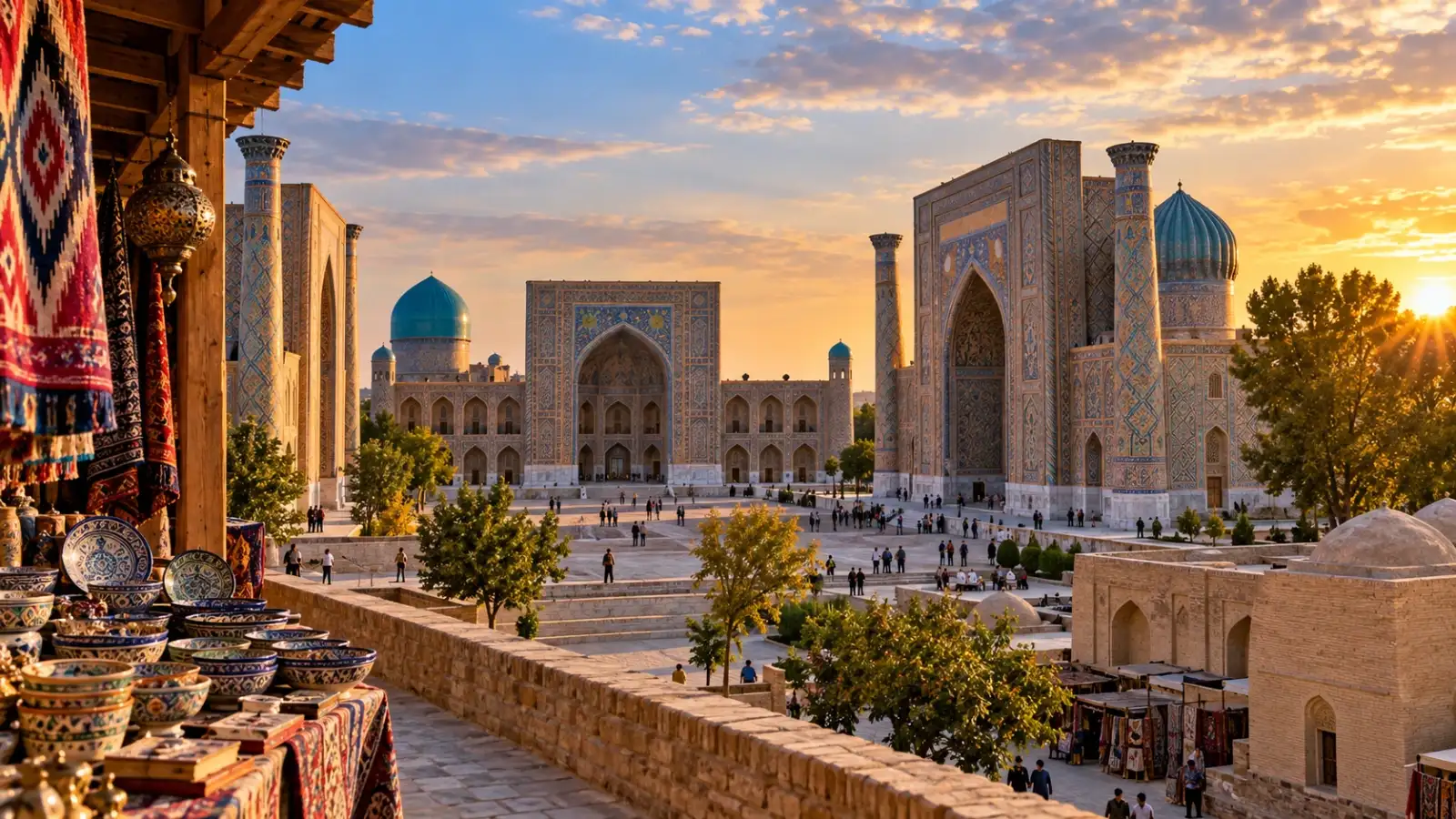
For history lovers, Uzbekistan offers something particularly appealing. Many important sites are not isolated museum pieces. They form part of living cities where markets, neighbourhoods, mosques, craft workshops and traditional food continue to exist alongside centuries-old monuments.
Its most famous landmark is Registan Square, surrounded by three monumental madrasas decorated with intricate tilework. Walking through the square gives visitors a strong sense of the architectural ambition of the Timurid period.
Samarkand also has other important sites, including the Gur-e-Amir mausoleum, associated with Timur, and the Shah-i-Zinda complex, known for its striking collection of historic mausoleums.
The Poi Kalyan complex is among its best-known sights, with the Kalyan Minaret rising above the surrounding historic landscape. Nearby streets lead towards old trading domes, courtyards and religious buildings.
Bukhara is particularly enjoyable for travellers who like exploring on foot. Instead of moving between isolated attractions, visitors can spend hours wandering through a historic urban landscape.
The city was an important stop on historic trade routes, and its architecture provides a vivid picture of Central Asian urban life.
For photographers and history enthusiasts, Khiva can be especially rewarding in the early morning or evening, when the changing light brings out the colours and textures of its buildings.
The routes connected China with Central Asia, the Middle East and Europe, turning cities such as Samarkand and Bukhara into major commercial and cultural centres.
Today, travellers can explore former caravan routes, historic bazaars and trading structures that help explain how commerce shaped the region.
His rule left a major architectural legacy, particularly in Samarkand. Later Timurid rulers also supported scholarship, mathematics, astronomy and the arts.
One fascinating figure from this period was Ulugh Beg, a ruler and astronomer who established an important observatory in Samarkand. The remains of the observatory offer an interesting reminder that the region's history was shaped by science as well as military power.
Bukhara is also associated with Imam al-Bukhari, one of the most influential scholars in Islamic history. His work remains important to Muslims around the world.
For visitors interested in intellectual history, these connections add another dimension to Uzbekistan beyond its spectacular architecture.
The regions around Khorezm contain archaeological remains that reveal the presence of ancient settlements and fortified communities. Some sites are remote, making the journey itself part of the experience.
These ruins provide a completely different perspective on Uzbekistan's past, showing how people adapted to life in challenging environments.
Local markets provide opportunities to see these traditions continuing in modern life. The colourful patterns found on fabrics and ceramics often reflect regional artistic styles passed through generations.
For travellers, buying a locally made craft can therefore be more meaningful than purchasing a generic souvenir.
Bread is also central to everyday meals, while dishes such as lagman and various dumplings reflect the wider cultural connections of Central Asia.
Eating in a local restaurant or market allows travellers to experience how centuries of trade and cultural exchange influenced everyday food.
Tourism has grown, particularly around Samarkand, Bukhara and Khiva, but the experience can still feel more relaxed than visiting some heavily visited historic cities elsewhere.
The result is a destination where travellers can take their time, study architectural details, explore old streets and connect different sites to the larger story of Central Asia.
For history lovers, that variety makes the country especially rewarding. A journey from Samarkand to Bukhara and Khiva can feel like moving through different chapters of the past, while the country's smaller towns, markets and archaeological sites reveal stories that are often overlooked.
If you want a destination where historic monuments, ancient trade routes, traditional crafts and living culture come together, Uzbekistan deserves a place on your travel list.
For history lovers, Uzbekistan offers something particularly appealing. Many important sites are not isolated museum pieces. They form part of living cities where markets, neighbourhoods, mosques, craft workshops and traditional food continue to exist alongside centuries-old monuments.
1. The Legendary City of Samarkand
Samarkand is perhaps the name most closely associated with Uzbekistan's historical identity. The city has existed for more than two millennia and became an important centre along the ancient Silk Road.Its most famous landmark is Registan Square, surrounded by three monumental madrasas decorated with intricate tilework. Walking through the square gives visitors a strong sense of the architectural ambition of the Timurid period.
Samarkand also has other important sites, including the Gur-e-Amir mausoleum, associated with Timur, and the Shah-i-Zinda complex, known for its striking collection of historic mausoleums.
2. Bukhara and Its Old World Atmosphere
Bukhara offers a different historical experience. The city was an important centre of trade, religion and scholarship for centuries, and its old quarters retain a remarkable collection of historic buildings.The Poi Kalyan complex is among its best-known sights, with the Kalyan Minaret rising above the surrounding historic landscape. Nearby streets lead towards old trading domes, courtyards and religious buildings.
Bukhara is particularly enjoyable for travellers who like exploring on foot. Instead of moving between isolated attractions, visitors can spend hours wandering through a historic urban landscape.
3. Khiva and Its Walled Historic Centre
Khiva feels almost like a city preserved inside its own walls. Its historic centre, known as Itchan Kala, contains mosques, madrasas, minarets, courtyards and traditional houses within a compact area.The city was an important stop on historic trade routes, and its architecture provides a vivid picture of Central Asian urban life.
For photographers and history enthusiasts, Khiva can be especially rewarding in the early morning or evening, when the changing light brings out the colours and textures of its buildings.
4. The Legacy of the Silk Road
Uzbekistan's historical importance cannot be separated from the Silk Road. For centuries, merchants travelled across Central Asia carrying silk, spices, textiles, precious goods and ideas.The routes connected China with Central Asia, the Middle East and Europe, turning cities such as Samarkand and Bukhara into major commercial and cultural centres.
Today, travellers can explore former caravan routes, historic bazaars and trading structures that help explain how commerce shaped the region.
5. The Timurid Era
The Timurid period is another major reason Uzbekistan attracts history lovers. Timur, also known as Tamerlane, established a powerful empire during the late 14th and early 15th centuries.His rule left a major architectural legacy, particularly in Samarkand. Later Timurid rulers also supported scholarship, mathematics, astronomy and the arts.
One fascinating figure from this period was Ulugh Beg, a ruler and astronomer who established an important observatory in Samarkand. The remains of the observatory offer an interesting reminder that the region's history was shaped by science as well as military power.
6. A Rich History of Islamic Scholarship
Uzbekistan was home to important centres of Islamic learning. Cities such as Bukhara became famous for religious scholarship, attracting students and scholars from across the wider Islamic world.Bukhara is also associated with Imam al-Bukhari, one of the most influential scholars in Islamic history. His work remains important to Muslims around the world.
For visitors interested in intellectual history, these connections add another dimension to Uzbekistan beyond its spectacular architecture.
7. Ancient Fortresses and Desert History
Uzbekistan's history is not limited to its famous cities. Away from Samarkand, Bukhara and Khiva, travellers can discover ancient fortresses scattered across desert landscapes.The regions around Khorezm contain archaeological remains that reveal the presence of ancient settlements and fortified communities. Some sites are remote, making the journey itself part of the experience.
These ruins provide a completely different perspective on Uzbekistan's past, showing how people adapted to life in challenging environments.
8. Traditional Markets and Crafts
History in Uzbekistan can also be experienced through its traditional crafts. Ceramic making, textile production, embroidery, wood carving and carpet weaving have deep roots in the region.Local markets provide opportunities to see these traditions continuing in modern life. The colourful patterns found on fabrics and ceramics often reflect regional artistic styles passed through generations.
For travellers, buying a locally made craft can therefore be more meaningful than purchasing a generic souvenir.
9. Food That Reflects Centuries of Cultural Exchange
Uzbek cuisine is another way to understand the country's history. Plov, a rice dish prepared with ingredients such as meat, carrots and onions, is one of the country's best-known foods.Bread is also central to everyday meals, while dishes such as lagman and various dumplings reflect the wider cultural connections of Central Asia.
Eating in a local restaurant or market allows travellers to experience how centuries of trade and cultural exchange influenced everyday food.
You may also like
- WhatsApp Will No Longer Work on These Phones! Is Your Device on the List?
- Skin Care Tips: Are you worried about blemishes on your face? Use alum in this way to reap the benefits
- No Hostels in 71 out of 91 DU Colleges; Thousands of Students Face Hardship
- Ankur Warikoo shares the moment his mother asked, "Kitne saal ka ho gaya tu ab?", and her reaction to him turning 45 hits differently now that he's a father himself
- Important news for ESIC cardholders: Aadhaar is now mandatory; complete this process quickly on the portal.
10. History Without the Crowds
One of Uzbekistan's attractions for history lovers is the opportunity to explore major heritage sites without the overwhelming crowds associated with some of the world's most famous destinations.Tourism has grown, particularly around Samarkand, Bukhara and Khiva, but the experience can still feel more relaxed than visiting some heavily visited historic cities elsewhere.
The result is a destination where travellers can take their time, study architectural details, explore old streets and connect different sites to the larger story of Central Asia.
A Journey Through Layers of History
Uzbekistan is fascinating because its history does not belong to just one era. Ancient settlements, Silk Road trade, Islamic scholarship, Timurid architecture, Soviet history and modern Central Asian culture all form part of its story.For history lovers, that variety makes the country especially rewarding. A journey from Samarkand to Bukhara and Khiva can feel like moving through different chapters of the past, while the country's smaller towns, markets and archaeological sites reveal stories that are often overlooked.
If you want a destination where historic monuments, ancient trade routes, traditional crafts and living culture come together, Uzbekistan deserves a place on your travel list.






Loving Newspoint? Download the app now
