
Why Sandakphu Is One of India’s Most Rewarding Himalayan Treks

Sandakphu is one of those Himalayan destinations where the journey feels just as important as the final view. Located in the Darjeeling district of West Bengal near the India-Nepal border, Sandakphu is the highest point in West Bengal at about 3,636 metres. The trek is famous for its extraordinary mountain scenery and the chance to see several of the world's highest peaks from a single route.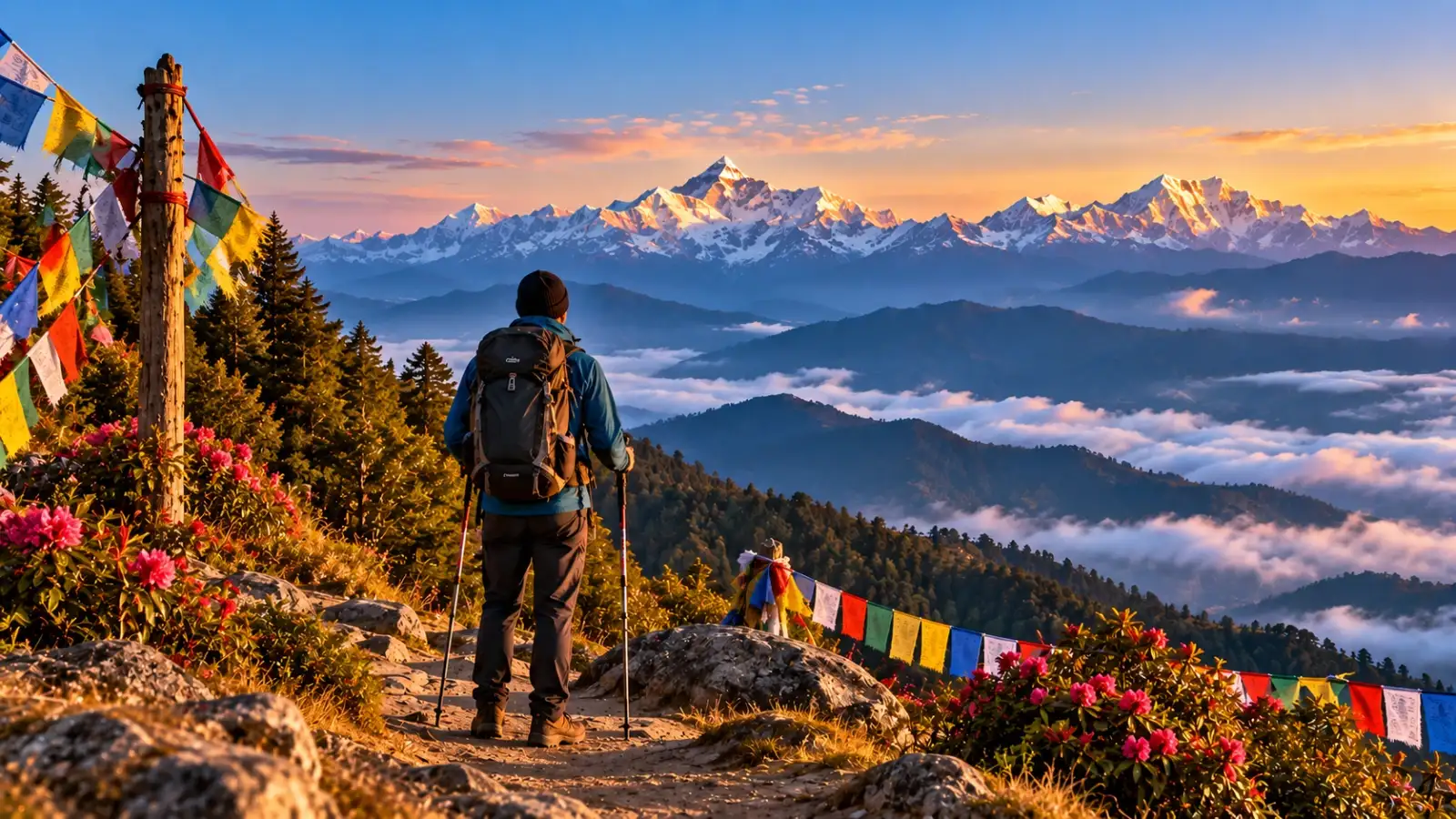
What makes Sandakphu particularly rewarding is the variety packed into the journey. Trekkers pass through forests, small mountain settlements, open ridges and high-altitude landscapes before reaching the summit. On clear days, the views towards Everest, Kanchenjunga, Lhotse and Makalu are among the biggest attractions.
Seeing several enormous peaks together creates a very different experience from standing at a viewpoint focused on a single mountain. Kanchenjunga can appear particularly dramatic, while the distant outline of Everest adds another sense of scale.
Weather plays an important role, however. Mountain clouds can change quickly, so there is never a guarantee that all the peaks will be visible during a visit.
The climb is not simply about reaching a high number on an elevation chart. The changing vegetation and landscape along the way make the ascent feel like a gradual transition between different mountain environments.
This adds an interesting cultural dimension to the trek. The journey is not simply a walk through wilderness. It passes through inhabited mountain landscapes where local communities have lived and travelled for generations.
Trekkers should always follow current local instructions regarding border areas and permitted routes.
The forests also provide a completely different atmosphere from the exposed mountain ridges higher up. Walking beneath trees, listening to birds and occasionally catching glimpses through the foliage makes the journey varied.
For nature lovers, the forests are an important part of the Sandakphu experience rather than simply something to pass through on the way to the summit.
Trekkers may encounter birds and other Himalayan species, although wildlife sightings are never guaranteed. The possibility of seeing animals in their natural environment adds another layer of excitement to the journey.
Visitors should follow park regulations, avoid disturbing wildlife and carry waste back with them.
Places such as Tonglu, Tumling, Kalipokhri and Sandakphu provide opportunities to rest and experience the local mountain environment. Accommodation is generally simple, which is part of the charm.
Staying in these settlements also gives trekkers a chance to interact respectfully with local residents and learn more about life in the eastern Himalayas.
The experience requires an early start and favourable weather, but the reward can be spectacular.
Trekkers should dress appropriately because temperatures can be very low before sunrise, particularly during colder months.
Long ridgelines provide wide views, while forest sections offer shade and a sense of enclosure. This variety keeps the trek visually interesting and prevents the route from feeling repetitive.
For photographers, the changing conditions can produce very different images within a single day.
Phalut is particularly appealing to those who want to spend more time in the mountains rather than treating Sandakphu as a quick standalone trek.
The extended route requires additional planning, suitable fitness and attention to weather and accommodation conditions.
That balance makes it attractive to experienced trekkers as well as reasonably fit beginners who prepare properly and go with appropriate guidance. The difficulty can still vary depending on the route, weather, altitude and individual fitness.
Good preparation is important. Trekkers should understand the itinerary, carry suitable clothing and footwear, stay hydrated and allow their bodies time to adjust to altitude.
But the biggest reward may be the feeling of gradually earning the panorama. The mountains do not dominate every section of the trail. Instead, they appear and disappear between forests and ridges before becoming increasingly dramatic as the route climbs.
That sense of anticipation makes the final views even more satisfying.
Walking through rhododendron forests, passing quiet villages, crossing open ridges and watching the Himalayas change with the weather creates an experience that stays with trekkers long after they return.
For anyone searching for rewarding Himalayan treks in India, Sandakphu offers an impressive combination of scenery, culture, nature and adventure. Its spectacular mountain panorama may be the headline attraction, but the journey to reach it is what truly makes the trek memorable.
What makes Sandakphu particularly rewarding is the variety packed into the journey. Trekkers pass through forests, small mountain settlements, open ridges and high-altitude landscapes before reaching the summit. On clear days, the views towards Everest, Kanchenjunga, Lhotse and Makalu are among the biggest attractions.
1. The Famous View of Four Himalayan Giants
One of the biggest reasons trekkers choose Sandakphu is its remarkable panorama. From the summit, favourable weather can reveal four major Himalayan peaks, including Mount Everest, Kanchenjunga, Lhotse and Makalu.Seeing several enormous peaks together creates a very different experience from standing at a viewpoint focused on a single mountain. Kanchenjunga can appear particularly dramatic, while the distant outline of Everest adds another sense of scale.
Weather plays an important role, however. Mountain clouds can change quickly, so there is never a guarantee that all the peaks will be visible during a visit.
2. It Is the Highest Point in West Bengal
Sandakphu's elevation gives the trek a special place in Indian hiking culture. At roughly 3,636 metres, reaching the summit means gaining a significant amount of altitude through a journey that begins much lower in the Himalayan foothills.The climb is not simply about reaching a high number on an elevation chart. The changing vegetation and landscape along the way make the ascent feel like a gradual transition between different mountain environments.
3. The Trail Crosses India and Nepal
Another unusual feature of the Sandakphu trek is its relationship with the India-Nepal border. Parts of the route follow or run close to the international boundary, and trekkers encounter settlements and landscapes on both sides.This adds an interesting cultural dimension to the trek. The journey is not simply a walk through wilderness. It passes through inhabited mountain landscapes where local communities have lived and travelled for generations.
Trekkers should always follow current local instructions regarding border areas and permitted routes.
4. Rhododendron Forests Bring Colour to the Trail
The Singalila landscape is known for its forests, including rhododendron trees. During the flowering season, parts of the trail can become particularly colourful.The forests also provide a completely different atmosphere from the exposed mountain ridges higher up. Walking beneath trees, listening to birds and occasionally catching glimpses through the foliage makes the journey varied.
For nature lovers, the forests are an important part of the Sandakphu experience rather than simply something to pass through on the way to the summit.
5. Singalila National Park Adds a Wildlife Element
The trek passes through the Singalila National Park, an important protected landscape in the eastern Himalayas. The area is known for its forests, high-altitude habitats and diverse wildlife.Trekkers may encounter birds and other Himalayan species, although wildlife sightings are never guaranteed. The possibility of seeing animals in their natural environment adds another layer of excitement to the journey.
Visitors should follow park regulations, avoid disturbing wildlife and carry waste back with them.
6. Mountain Villages Make the Trek Feel Personal
Unlike some high-altitude treks that spend long stretches away from human settlements, the Sandakphu route passes through several mountain villages.Places such as Tonglu, Tumling, Kalipokhri and Sandakphu provide opportunities to rest and experience the local mountain environment. Accommodation is generally simple, which is part of the charm.
Staying in these settlements also gives trekkers a chance to interact respectfully with local residents and learn more about life in the eastern Himalayas.
7. The Sunrise Can Be Extraordinary
Sunrise is one of the most memorable experiences associated with Sandakphu. On a clear morning, the first light gradually reaches the Himalayan peaks, changing their colours from dark silhouettes to shades of gold and pink.The experience requires an early start and favourable weather, but the reward can be spectacular.
Trekkers should dress appropriately because temperatures can be very low before sunrise, particularly during colder months.
8. The Route Offers More Than One Kind of Landscape
Sandakphu is rewarding partly because the scenery changes throughout the trek. Lower sections feature forest and village landscapes, while higher stretches become more open and exposed.Long ridgelines provide wide views, while forest sections offer shade and a sense of enclosure. This variety keeps the trek visually interesting and prevents the route from feeling repetitive.
For photographers, the changing conditions can produce very different images within a single day.
9. Phalut Can Extend the Adventure
For trekkers looking for a longer experience, the journey can be extended towards Phalut, another high point in the Singalila region. The route provides more ridge walking and additional Himalayan views.Phalut is particularly appealing to those who want to spend more time in the mountains rather than treating Sandakphu as a quick standalone trek.
The extended route requires additional planning, suitable fitness and attention to weather and accommodation conditions.
10. It Balances Adventure and Accessibility
Sandakphu is challenging enough to feel like a genuine Himalayan adventure while remaining more accessible than many very high-altitude expeditions.You may also like
- Sania Mirza has a tennis table in her kitchen: 7 celebrities who turned unusual spaces into fun zones
- Meet the Bengaluru entrepreneur who worked through Sundays - until 4 months in ICU changed everything
- WhatsApp Will No Longer Work on These Phones! Is Your Device on the List?
- Skin Care Tips: Are you worried about blemishes on your face? Use alum in this way to reap the benefits
- No Hostels in 71 out of 91 DU Colleges; Thousands of Students Face Hardship
That balance makes it attractive to experienced trekkers as well as reasonably fit beginners who prepare properly and go with appropriate guidance. The difficulty can still vary depending on the route, weather, altitude and individual fitness.
Good preparation is important. Trekkers should understand the itinerary, carry suitable clothing and footwear, stay hydrated and allow their bodies time to adjust to altitude.
What Makes Sandakphu So Rewarding
Sandakphu brings together several experiences in one journey. There are high Himalayan views, forests, wildlife, mountain villages, border landscapes and challenging climbs.But the biggest reward may be the feeling of gradually earning the panorama. The mountains do not dominate every section of the trail. Instead, they appear and disappear between forests and ridges before becoming increasingly dramatic as the route climbs.
That sense of anticipation makes the final views even more satisfying.
A Trek Worth Taking Slowly
Sandakphu is not simply a destination for collecting photographs from a summit. It is a trek where the route itself becomes part of the story.Walking through rhododendron forests, passing quiet villages, crossing open ridges and watching the Himalayas change with the weather creates an experience that stays with trekkers long after they return.
For anyone searching for rewarding Himalayan treks in India, Sandakphu offers an impressive combination of scenery, culture, nature and adventure. Its spectacular mountain panorama may be the headline attraction, but the journey to reach it is what truly makes the trek memorable.






Loving Newspoint? Download the app now
