
10 Best Craft Destinations Around the World to Experience Local Traditions

Craft traditions can tell stories that museums and monuments sometimes cannot. A handmade carpet, painted ceramic, woven fabric or carved wooden object can reveal how people lived, what materials they used and which skills were passed from one generation to the next. For travellers, visiting a place known for a particular craft can turn shopping into a much more meaningful cultural experience.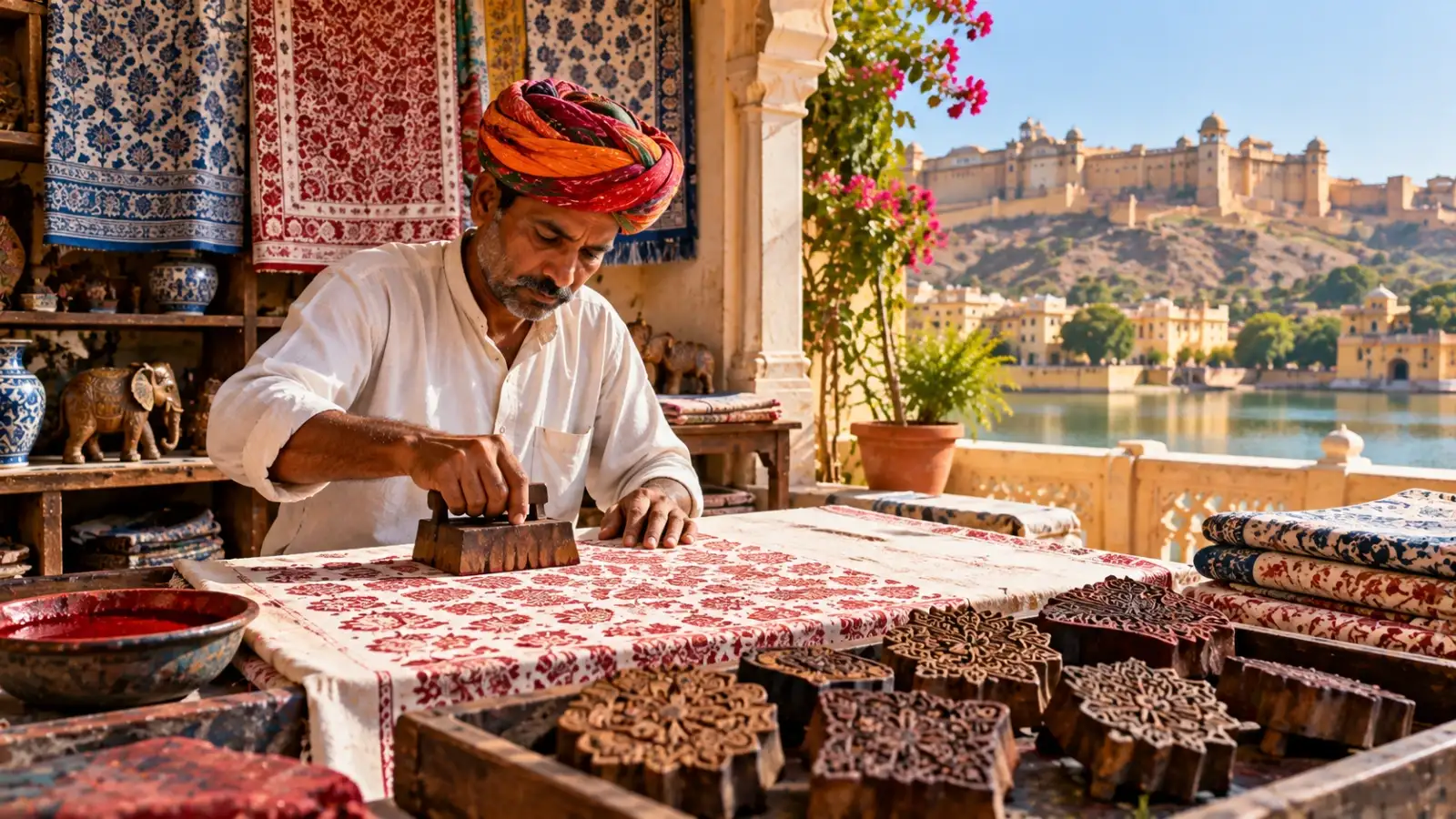
Instead of simply buying a souvenir, you can see where the craft began, visit workshops, watch artisans at work and learn how traditional techniques have changed over time. Some crafts have been practised for hundreds of years, while others developed more recently but have become strongly connected with local identity. These ten destinations offer interesting ways to follow the history of a famous local craft.
Block printing is particularly interesting because the process relies on carved wooden blocks that are repeatedly pressed onto fabric. Visiting a traditional workshop can help travellers understand how patterns are created and why certain colours and designs became associated with the region. Markets around Jaipur also provide opportunities to see how these traditional crafts are used in modern products.
A visit to Murano can provide a closer look at how glass is heated, shaped and decorated. Watching skilled artisans transform molten glass into delicate objects makes it easier to appreciate the amount of experience involved. The island also has museums and historic collections where visitors can see how glass design has developed over the centuries.
Kyo-yaki pottery is particularly associated with the region and is known for detailed decoration and varied styles. Kyoto's traditional crafts are closely connected with tea culture, seasonal celebrations and everyday life. Visiting craft shops and workshops can provide a deeper understanding of why craftsmanship remains such an important part of the city's identity.
The black pottery of San Bartolo Coyotepec is especially distinctive. Artisans shape local clay and use traditional firing methods to create dark, polished pieces. Exploring workshops around Oaxaca offers an opportunity to see how local materials and techniques have been transformed into objects that are both practical and decorative.
Moroccan zellige tilework is particularly striking. Small pieces of coloured glazed tile are carefully cut and arranged into intricate geometric patterns. The technique requires considerable patience and precision. Walking through the old medina can reveal workshops where traditional skills remain part of everyday commercial life.
Traditional textile production is especially interesting because patterns can carry cultural meaning and regional identity. Visiting local workshops allows travellers to see how materials are prepared and how detailed designs are created. Craft markets also provide a chance to see how traditional techniques are being adapted for contemporary shoppers.
Tapestry making requires patience because large designs are built gradually through careful weaving. Visiting Aubusson offers an opportunity to learn how this craft developed and how it has been preserved. Museums and workshops can help visitors understand the relationship between traditional weaving, art and local history.
Visitors can explore the history of Delft pottery through museums, historic collections and workshops. Watching ceramic pieces being painted by hand also shows how much skill is required to create detailed designs with apparently simple colours. The craft remains an important part of the city's cultural identity.
Wool from alpacas, llamas and sheep can be transformed into colourful textiles featuring geometric patterns and regional designs. Visiting weaving communities outside the main tourist areas can offer a closer look at the process, from preparing fibres to creating finished textiles. These traditions provide an important connection between contemporary life and the region's long cultural history.
Suzhou embroidery is particularly impressive because artisans create detailed images using fine threads and careful stitching. Some pieces can resemble paintings when viewed from a distance. Museums and craft centres provide opportunities to learn about the history of silk and see how traditional embroidery techniques continue to evolve.
Craft tourism can also take travellers beyond the main attractions. Workshops are often located in older neighbourhoods, smaller towns or rural communities that might otherwise be missed. Spending time there can introduce visitors to local makers and provide a better understanding of everyday culture.
Another benefit is that traditional crafts often connect the past with the present. Artisans may continue using techniques developed generations ago while creating designs for modern homes and customers. This balance between heritage and innovation is what keeps many crafts alive.
The next time you visit a destination famous for handmade products, look beyond the shop window. Find out where the craft came from, how it is made and why it matters to the local community. You may discover that the story behind a simple object becomes one of the most memorable parts of your holiday.
Instead of simply buying a souvenir, you can see where the craft began, visit workshops, watch artisans at work and learn how traditional techniques have changed over time. Some crafts have been practised for hundreds of years, while others developed more recently but have become strongly connected with local identity. These ten destinations offer interesting ways to follow the history of a famous local craft.
1. Jaipur, India
Jaipur is an excellent destination for exploring India's rich craft traditions. The city and surrounding region are known for block printing, blue pottery, jewellery and textiles. Each craft has its own techniques, designs and history.Block printing is particularly interesting because the process relies on carved wooden blocks that are repeatedly pressed onto fabric. Visiting a traditional workshop can help travellers understand how patterns are created and why certain colours and designs became associated with the region. Markets around Jaipur also provide opportunities to see how these traditional crafts are used in modern products.
2. Murano, Italy
Murano, an island near Venice, has a long association with glassmaking. Its workshops have helped preserve techniques that have made Venetian glass famous around the world.A visit to Murano can provide a closer look at how glass is heated, shaped and decorated. Watching skilled artisans transform molten glass into delicate objects makes it easier to appreciate the amount of experience involved. The island also has museums and historic collections where visitors can see how glass design has developed over the centuries.
3. Kyoto, Japan
Kyoto is one of Japan's best destinations for travellers interested in traditional crafts. The city has a long history of pottery, textiles, lacquerware, paper making and other forms of skilled handwork.Kyo-yaki pottery is particularly associated with the region and is known for detailed decoration and varied styles. Kyoto's traditional crafts are closely connected with tea culture, seasonal celebrations and everyday life. Visiting craft shops and workshops can provide a deeper understanding of why craftsmanship remains such an important part of the city's identity.
4. Oaxaca, Mexico
Oaxaca is famous for its colourful and diverse craft traditions. Visitors can discover handmade textiles, pottery, wood carving and other forms of folk art throughout the region.The black pottery of San Bartolo Coyotepec is especially distinctive. Artisans shape local clay and use traditional firing methods to create dark, polished pieces. Exploring workshops around Oaxaca offers an opportunity to see how local materials and techniques have been transformed into objects that are both practical and decorative.
5. Fez, Morocco
Fez provides a fascinating introduction to several traditional Moroccan crafts. Its historic medina contains workshops producing leather goods, metalwork, ceramics, textiles and decorative tiles.Moroccan zellige tilework is particularly striking. Small pieces of coloured glazed tile are carefully cut and arranged into intricate geometric patterns. The technique requires considerable patience and precision. Walking through the old medina can reveal workshops where traditional skills remain part of everyday commercial life.
6. Chiang Mai, Thailand
Chiang Mai is known for crafts that reflect the artistic traditions of northern Thailand. Silverwork, textiles, wood carving, pottery and handmade paper are among the crafts visitors can encounter.Traditional textile production is especially interesting because patterns can carry cultural meaning and regional identity. Visiting local workshops allows travellers to see how materials are prepared and how detailed designs are created. Craft markets also provide a chance to see how traditional techniques are being adapted for contemporary shoppers.
7. Aubusson, France
Aubusson is closely associated with the historic art of tapestry weaving. The town in central France became famous for tapestries featuring elaborate scenes, landscapes and decorative designs.Tapestry making requires patience because large designs are built gradually through careful weaving. Visiting Aubusson offers an opportunity to learn how this craft developed and how it has been preserved. Museums and workshops can help visitors understand the relationship between traditional weaving, art and local history.
8. Delft, Netherlands
Delft is famous for its distinctive blue and white pottery. Delftware became strongly associated with the city and developed its own recognisable style influenced by both local traditions and imported ceramics.Visitors can explore the history of Delft pottery through museums, historic collections and workshops. Watching ceramic pieces being painted by hand also shows how much skill is required to create detailed designs with apparently simple colours. The craft remains an important part of the city's cultural identity.
9. Cusco, Peru
Cusco and the surrounding Andean region have a long history of textile production. Traditional weaving uses techniques and patterns that have been passed down through generations.You may also like
- Skin Care Tips: Do you suddenly get pimples and pits on your skin? Eating these foods can permanently take away your glow
- Things to Check Before Buying or Renting a Home/Flat in Delhi
- MP TET Now in Both Online and Offline Modes: Government's Major Announcement
- Luxury watches go wild for big cats
- SBI Loses Original Property Documents; Now Faces Daily Fine of ₹5,000
Wool from alpacas, llamas and sheep can be transformed into colourful textiles featuring geometric patterns and regional designs. Visiting weaving communities outside the main tourist areas can offer a closer look at the process, from preparing fibres to creating finished textiles. These traditions provide an important connection between contemporary life and the region's long cultural history.
10. Suzhou, China
Suzhou has long been associated with silk production and embroidery. The city's connection with silk developed over centuries, supported by a climate and landscape suitable for raising silkworms and producing the delicate fibre.Suzhou embroidery is particularly impressive because artisans create detailed images using fine threads and careful stitching. Some pieces can resemble paintings when viewed from a distance. Museums and craft centres provide opportunities to learn about the history of silk and see how traditional embroidery techniques continue to evolve.
Why Craft History Makes Travel More Meaningful
Following the history of a local craft can change the way you experience a destination. Instead of seeing handmade products simply as souvenirs, you begin to understand the people, materials and traditions behind them.Craft tourism can also take travellers beyond the main attractions. Workshops are often located in older neighbourhoods, smaller towns or rural communities that might otherwise be missed. Spending time there can introduce visitors to local makers and provide a better understanding of everyday culture.
Another benefit is that traditional crafts often connect the past with the present. Artisans may continue using techniques developed generations ago while creating designs for modern homes and customers. This balance between heritage and innovation is what keeps many crafts alive.
The next time you visit a destination famous for handmade products, look beyond the shop window. Find out where the craft came from, how it is made and why it matters to the local community. You may discover that the story behind a simple object becomes one of the most memorable parts of your holiday.






Loving Newspoint? Download the app now
