
8 Best Places to See Traditional Basket Weaving Around the World

Handmade baskets may look simple, but they can reveal a surprising amount about the people who make and use them. For centuries, communities around the world have woven baskets from materials such as reeds, grasses, bamboo, palm leaves and other locally available plants. These objects were often created for practical reasons, including carrying food, storing crops, fishing and transporting goods.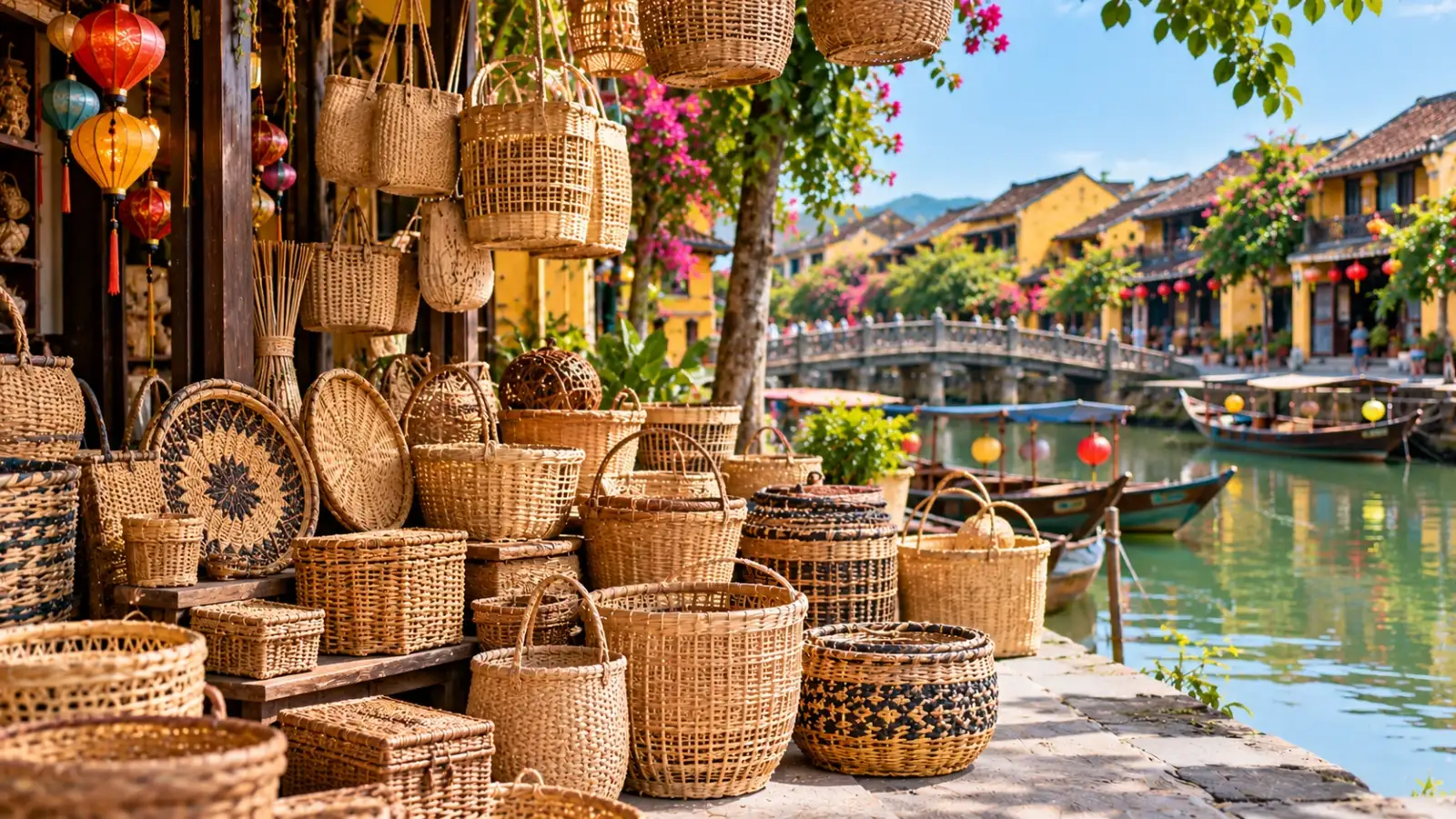
In many places, basket weaving is still more than a craft sold to tourists. Baskets continue to be used in homes, farms, markets and local businesses, while traditional techniques are passed from older generations to younger ones. For travellers interested in local culture, these destinations offer an opportunity to see basket making as part of everyday life rather than simply as a souvenir.
Travellers exploring the villages around the city may encounter woven baskets used for carrying vegetables, transporting goods or working in gardens and farms. Basket boats made from woven bamboo are another distinctive part of the region's traditional culture. Visiting local workshops can provide a closer look at how strips of natural material are shaped and woven into practical objects.
Traditional woven containers are useful for carrying food, storing household items and transporting products. The designs often reflect local needs and available materials. Visitors interested in basket weaving can explore craft markets and villages where artisans demonstrate how bamboo is split, prepared and woven by hand.
Many baskets are made using palm leaves and other plant fibres. Their practical designs have been adapted for modern homes, but the basic techniques remain connected to older traditions. Walking through the souks gives visitors an opportunity to see how basket making remains part of Morocco's wider craft culture.
In some communities, weaving is closely connected with household and agricultural activities. Baskets can be used for carrying produce, storing goods and serving food. Visitors who travel beyond Oaxaca City can discover smaller communities where traditional crafts remain closely connected with local life.
Visitors may see woven containers used in markets, homes and religious settings. Their shapes and decorations can vary depending on their purpose. Exploring villages and local markets can offer a more authentic view of these crafts than simply visiting souvenir shops in busy tourist areas.
These baskets are often made by hand using natural grasses and can be shaped into containers, trays and other useful objects. Their colourful patterns have also made them popular internationally. In local communities, however, basket making remains connected with livelihoods and everyday practical use.
Some woven baskets are particularly associated with rural and agricultural life. Visiting craft markets or community workshops can help travellers understand how materials are collected and prepared before the weaving begins. The finished products often combine practical design with patterns that reflect local artistic traditions.
Traditionally, baskets had practical and ceremonial uses, including storing food and other household goods. Today, weaving continues to provide income for many artisans while preserving traditional skills. Visitors can find handmade baskets in craft centres and local markets, where the products offer a direct connection between traditional techniques and contemporary life.
Basket weaving can also provide an important source of income for artisan communities. When visitors purchase directly from makers or reputable craft organisations, they can support the continuation of traditional skills and local livelihoods.
What makes these traditions especially interesting is their ability to adapt. Modern baskets may be designed as shopping bags, storage containers, laundry baskets or home decorations, while still being made using techniques that have been passed down through generations.
For travellers, seeing these crafts in their original setting provides a richer experience than simply buying a finished product. You can observe the materials, meet the makers and understand why a particular style developed.
The next time you see a handmade basket while travelling, take a moment to consider the story behind it. It may represent a local plant, a family technique, a traditional way of working or a skill that has survived because it continues to have a useful place in everyday life.
In many places, basket weaving is still more than a craft sold to tourists. Baskets continue to be used in homes, farms, markets and local businesses, while traditional techniques are passed from older generations to younger ones. For travellers interested in local culture, these destinations offer an opportunity to see basket making as part of everyday life rather than simply as a souvenir.
1. Hoi An, Vietnam
The countryside around Hoi An offers plenty of opportunities to see traditional woven products being used in everyday life. Bamboo and rattan have long been useful materials in Vietnamese households because they are light, flexible and widely available.Travellers exploring the villages around the city may encounter woven baskets used for carrying vegetables, transporting goods or working in gardens and farms. Basket boats made from woven bamboo are another distinctive part of the region's traditional culture. Visiting local workshops can provide a closer look at how strips of natural material are shaped and woven into practical objects.
2. Chiang Mai, Thailand
Northern Thailand has a long tradition of working with bamboo and other natural materials. Around Chiang Mai, handmade baskets can still be found in markets, homes and craft communities.Traditional woven containers are useful for carrying food, storing household items and transporting products. The designs often reflect local needs and available materials. Visitors interested in basket weaving can explore craft markets and villages where artisans demonstrate how bamboo is split, prepared and woven by hand.
3. Marrakech, Morocco
Morocco has a strong tradition of weaving baskets and other objects from natural fibres. In Marrakech, woven goods can be seen throughout traditional markets, where baskets, trays and storage containers are sold alongside other handmade products.Many baskets are made using palm leaves and other plant fibres. Their practical designs have been adapted for modern homes, but the basic techniques remain connected to older traditions. Walking through the souks gives visitors an opportunity to see how basket making remains part of Morocco's wider craft culture.
4. Oaxaca, Mexico
The Oaxaca region is famous for its diverse handmade traditions, and basket weaving is part of this wider craft culture. Artisans work with locally available plant materials to produce baskets and other woven objects.In some communities, weaving is closely connected with household and agricultural activities. Baskets can be used for carrying produce, storing goods and serving food. Visitors who travel beyond Oaxaca City can discover smaller communities where traditional crafts remain closely connected with local life.
5. Bali, Indonesia
Woven baskets are a familiar sight in Bali, where natural fibres such as bamboo and palm materials are used to make household and ceremonial objects. Basket making is closely connected with other forms of traditional Balinese craftsmanship.Visitors may see woven containers used in markets, homes and religious settings. Their shapes and decorations can vary depending on their purpose. Exploring villages and local markets can offer a more authentic view of these crafts than simply visiting souvenir shops in busy tourist areas.
6. Ghana
Basket weaving is an important craft in several parts of Ghana, particularly in communities where local grasses are used to create strong and colourful woven products. Bolgatanga baskets are among the country's best known examples.These baskets are often made by hand using natural grasses and can be shaped into containers, trays and other useful objects. Their colourful patterns have also made them popular internationally. In local communities, however, basket making remains connected with livelihoods and everyday practical use.
7. Kenya
Traditional basket weaving is practised by different communities across Kenya, with techniques and designs varying between regions. Natural fibres and grasses are shaped into baskets used for carrying, storing and displaying goods.Some woven baskets are particularly associated with rural and agricultural life. Visiting craft markets or community workshops can help travellers understand how materials are collected and prepared before the weaving begins. The finished products often combine practical design with patterns that reflect local artistic traditions.
8. Rwanda
Basket weaving is deeply associated with Rwandan craft traditions. The country's famous woven baskets are often recognised for their detailed geometric patterns and carefully finished surfaces.Traditionally, baskets had practical and ceremonial uses, including storing food and other household goods. Today, weaving continues to provide income for many artisans while preserving traditional skills. Visitors can find handmade baskets in craft centres and local markets, where the products offer a direct connection between traditional techniques and contemporary life.
Why Handmade Baskets Tell Important Stories
A basket can look like a simple household object, but its design often reflects the environment in which it was created. The choice of material depends on what grows locally, while the shape can be influenced by how the basket will be used.Basket weaving can also provide an important source of income for artisan communities. When visitors purchase directly from makers or reputable craft organisations, they can support the continuation of traditional skills and local livelihoods.
What makes these traditions especially interesting is their ability to adapt. Modern baskets may be designed as shopping bags, storage containers, laundry baskets or home decorations, while still being made using techniques that have been passed down through generations.
For travellers, seeing these crafts in their original setting provides a richer experience than simply buying a finished product. You can observe the materials, meet the makers and understand why a particular style developed.
The next time you see a handmade basket while travelling, take a moment to consider the story behind it. It may represent a local plant, a family technique, a traditional way of working or a skill that has survived because it continues to have a useful place in everyday life.
Next Story