
Hair Growth Foods: Everyday Ingredients That Support Healthy Hair

When hair starts looking thinner, many people immediately reach for oils, serums or supplements. Yet one of the less glamorous parts of healthy hair growth begins at the dinner table. Hair follicles need energy and nutrients to produce hair normally, and inadequate intake of certain nutrients can contribute to noticeable hair loss. That does not mean one food can suddenly make hair grow faster. Hair health depends on genetics, hormones, age, medical conditions and overall nutrition. Still, building meals around adequate protein, iron, zinc and other essential nutrients can give your body the raw materials it needs.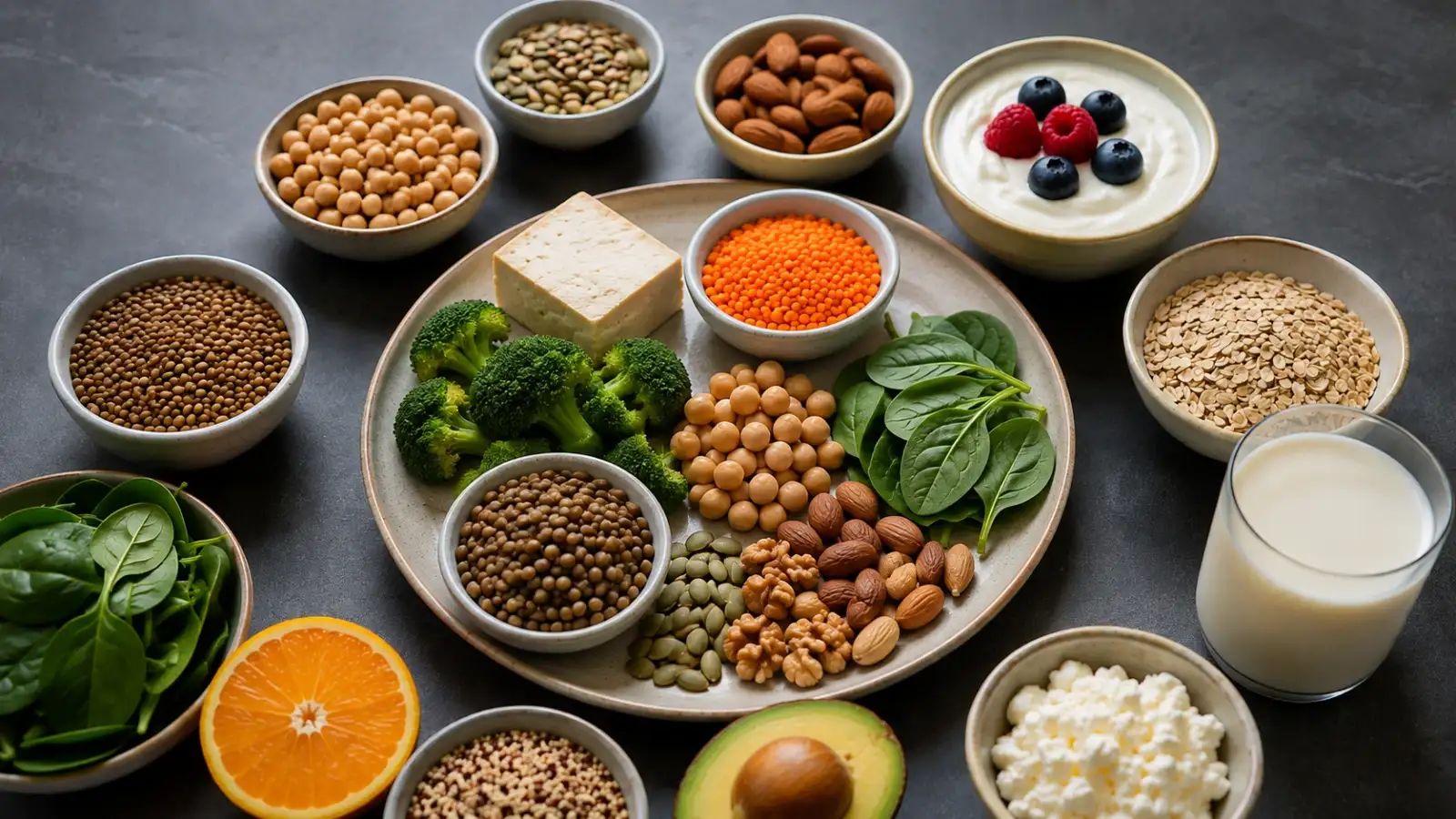
Severe or prolonged nutritional deficiencies can affect hair because the body prioritises essential functions when energy or nutrients are limited. The American Academy of Dermatology notes that inadequate protein can contribute to hair loss.
Plant sources contain non-haem iron, which is absorbed less efficiently than the haem iron found in animal foods. Pairing plant-based iron sources with vitamin C-rich foods such as tomatoes, citrus fruits or peppers can help improve iron absorption.
However, more is not necessarily better. The AAD advises against taking hair supplements simply because they are marketed for hair growth. Supplements such as iron, zinc or biotin should generally be used when a deficiency has been identified because excessive amounts can be harmful.
Very restrictive diets and consistently eating too few calories can also contribute to hair loss.
Healthy hair is influenced by much more than what appears in the mirror. Food cannot override genetics or treat every cause of hair loss, but a balanced diet can help ensure your follicles are not working without essential nutrients. Sometimes, improving hair care begins not in the bathroom, but with what is on the plate.
Protein Provides the Building Material
Hair is largely made of keratin, a protein. That makes adequate dietary protein particularly important. Eggs, fish, dairy products, lentils, beans, soy, nuts and seeds can all contribute to daily protein intake.Severe or prolonged nutritional deficiencies can affect hair because the body prioritises essential functions when energy or nutrients are limited. The American Academy of Dermatology notes that inadequate protein can contribute to hair loss.
Iron Matters More Than Many People Realise
Iron deficiency is another recognised nutritional factor associated with hair loss. Foods such as lentils, chickpeas, beans, spinach, meat and fortified cereals can provide iron.Plant sources contain non-haem iron, which is absorbed less efficiently than the haem iron found in animal foods. Pairing plant-based iron sources with vitamin C-rich foods such as tomatoes, citrus fruits or peppers can help improve iron absorption.
You may also like
- Quote of the Day by John Locke," “Parents wonder why the streams are bitter, when they themselves....”
- When children leave home, parents can feel lost too: 5 signs of 'empty nest syndrome' and how to cope
- Who was Putri Andriani Juficha? Model and beauty queen dies at 25, death announced on her birthday
- This mutual fund turned an investment of ₹10 lakh into ₹1.25 crore in just 13 years..
Zinc and Other Nutrients Have a Role
Zinc also contributes to normal biological processes involved in tissue growth and repair. Meat, dairy products, legumes, nuts and seeds can help supply it.However, more is not necessarily better. The AAD advises against taking hair supplements simply because they are marketed for hair growth. Supplements such as iron, zinc or biotin should generally be used when a deficiency has been identified because excessive amounts can be harmful.
A Balanced Plate Is More Useful Than a Miracle Food
Instead of searching for a single "hair growth food", build meals around variety. A breakfast of eggs and fruit, a lunch containing lentils and vegetables, and a dinner with fish or tofu can provide a broad mix of nutrients.Very restrictive diets and consistently eating too few calories can also contribute to hair loss.
Healthy hair is influenced by much more than what appears in the mirror. Food cannot override genetics or treat every cause of hair loss, but a balanced diet can help ensure your follicles are not working without essential nutrients. Sometimes, improving hair care begins not in the bathroom, but with what is on the plate.






Loving Newspoint? Download the app now
