
Amritsari Kulcha: What Makes This Stuffed Tandoor Bread Unique

Walk down Katra Jaimal Singh or Lawrence Road in Amritsar before nine in the morning and you will find a man pressing a round of dough against the inner wall of a clay oven, his hand protected by nothing more than a damp cloth. The bread comes out in under three minutes: blistered, crisp at the edges, soft at the centre, and heavy with a filling that has been spiced since before he was born. This is the Amritsari kulcha , and the gap between it and the kulcha served everywhere else is not a matter of taste, it is a matter of technique, ingredient, and a city's particular hunger.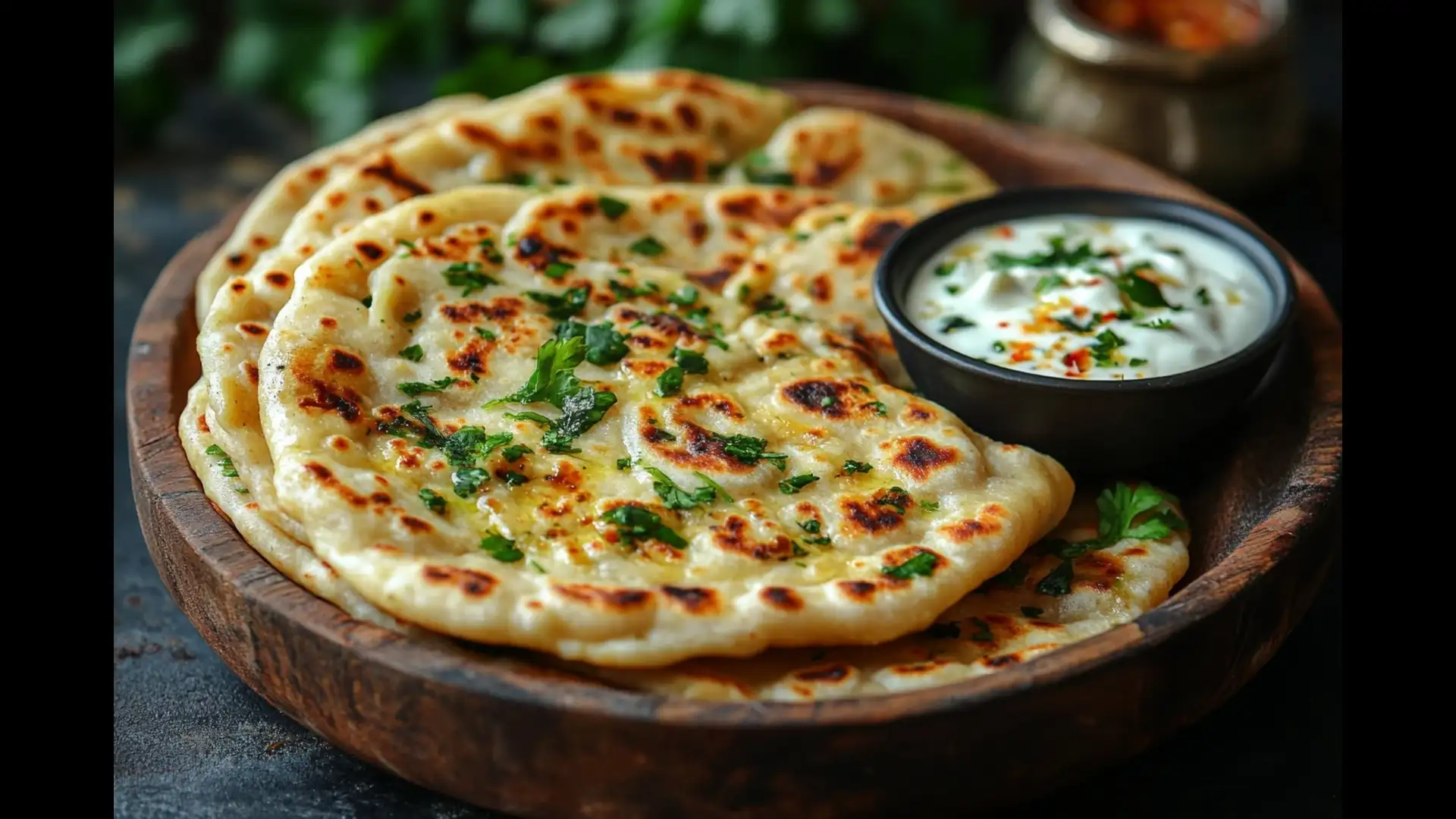
The kulcha is a simple bread by any technical measure, flour, fat, filling, fire. What Amritsar did was fix every variable that most bakers leave to chance, the fat content of the dough, the dryness of the filling, the temperature of the clay, the sourness of the chhole beside it. The result is a bread that tastes like a decision made a long time ago and never revisited because it was already right.
The Dough Is Not What You Expect
Most kulcha dough across North India is made with maida, water, and a little yoghurt. Amritsari kulcha dough carries fat, typically ghee or butter, sometimes both, worked into the flour before the water goes in. The result is a dough that is richer and more layered in texture than its plainer cousins. Bakers here also leaven it lightly, either with a small amount of baking soda or by leaving it to rest for several hours. The resting matters. It relaxes the gluten enough that the bread puffs unevenly in the tandoor, creating pockets of air beneath the crust that hold steam and keep the crumb tender while the outer surface chars.The Filling Carries the Argument
The classic Amritsari stuffing is mashed potato spiced with ajwain, dried pomegranate seed, anardana, green chilli, and fresh coriander. Ajwain gives it a faintly medicinal warmth that cuts through the fat of the bread. Anardana brings a sourness that keeps the filling from feeling heavy. Some shops add a little paneer to the potato base; others keep it strictly vegetarian and plain. What the filling is never allowed to be is wet. A wet filling steams inside the dough and stops the bread from blistering properly. The potato is always cooked dry, mashed fine, and cooled before it goes in.The Tandoor and the Press
A gas-fired tawa can make a decent stuffed paratha. It cannot make an Amritsari kulcha. The clay tandoor runs at temperatures a domestic oven cannot reach, and the bread cooks by direct contact with the clay wall rather than by radiated heat from below. The outer surface sets and chars in the first thirty seconds. The steam trapped inside the dough then pushes outward, lifting the bread away from the wall in spots while the stuck parts stay blistered against the clay. When the baker pulls it out, usually with a long metal skewer or a hooked rod, he presses a knob of butter onto the surface immediately. It melts into the cracks and the charred spots before the bread reaches the plate.The Chhole That Comes With It
Amritsari kulcha is never eaten alone. It arrives with a bowl of chhole, chickpeas cooked in a dark, tangy gravy that gets its colour from tea leaves or dried amla added during the boiling of the chickpeas, not from food colouring. The gravy is heavier on dried spices than fresh ones, dried mango powder, black cardamom, cloves. It is sourer and darker than the chhole served in Delhi or Chandigarh, and it is meant to be. The kulcha is rich and buttery; the chhole cuts it. The two are calibrated against each other, and eating one without the other is like reading half a sentence.Why It Did Not Travel Well
Amritsari kulcha shops have opened in Delhi, Mumbai, and Bengaluru, and some of them are good. None of them are quite the same thing. The tandoor outside Amritsar is often gas-fired rather than wood or coal, which changes the temperature ceiling and the flavour of the char. The butter used in the city is often local white butter, makhan, which is saltier and looser than the processed yellow butter used elsewhere. The chhole recipe travels better than the bread, but it still changes when the cook is working without the dried amla he gets from the local market. These are not complaints about the copies. They are an explanation of why the original is worth the trip.The kulcha is a simple bread by any technical measure, flour, fat, filling, fire. What Amritsar did was fix every variable that most bakers leave to chance, the fat content of the dough, the dryness of the filling, the temperature of the clay, the sourness of the chhole beside it. The result is a bread that tastes like a decision made a long time ago and never revisited because it was already right.
Next Story