
Discover Why Mumbai Is Known As India’s Cotton City

Mumbai is known as the Cotton City of India due to its historic leadership in the cotton textile industry India . During the colonial and early industrial period, Mumbai emerged as a major centre for cotton mills, yarn production, and textile exports, playing a vital role in India’s economic transformation.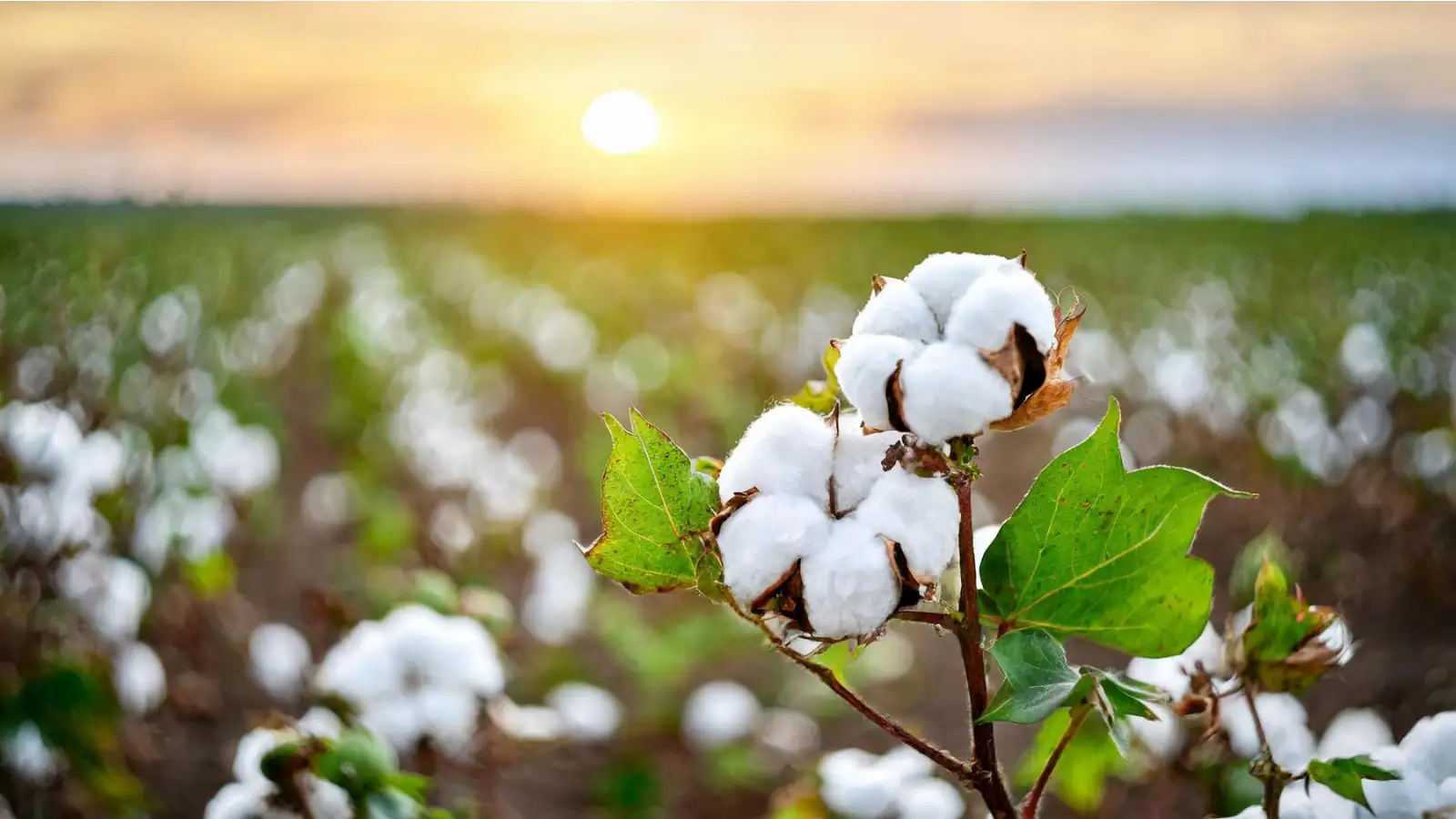
Why Mumbai Is Called the Cotton City of India
Mumbai earned this title because it became the heart of the Mumbai cotton industry . The city’s strategic coastal location, well-developed port, and railway connectivity made it ideal for importing raw materials and exporting finished textiles.
The availability of labour and financial institutions further boosted the growth of cotton mills. As a result, Mumbai became one of the largest textile hubs not only in India but also in Asia.
Growth of the Cotton Textile Industry
The rise of the cotton textile industry India in Mumbai led to the establishment of numerous spinning and weaving mills. These mills produced yarn and fabrics that were supplied across domestic and international markets.
The industry created large-scale employment and supported related sectors such as dyeing, garment manufacturing, and transportation. This industrial expansion helped position Mumbai as a leading commercial and financial centre.
Read More: Which City Is Called The Banana Capital Of India? Read To Know
Economic Importance of Mumbai’s Cotton Industry
The cotton sector played a major role in shaping Mumbai’s economy. It supported thousands of workers and contributed significantly to trade and exports.
From mill workers to traders and exporters, the industry created a vast economic network. Over time, this growth strengthened Mumbai’s identity as a key industrial powerhouse in India.
Connection to Cotton-Producing Regions
While Mumbai became the processing and trade hub, regions like Yavatmal in Maharashtra contributed significantly to raw cotton production. Known for its fertile black soil, Yavatmal is part of India’s “White Gold Belt”, supplying cotton to textile industries across the country.
This strong link between agricultural regions and urban industries helped sustain the overall cotton production India ecosystem.
Interesting Facts About Mumbai and Cotton Industry
Mumbai’s legacy as the Cotton City of India is deeply rooted in its contribution to the cotton textile industry India. With its mills, trade networks, and industrial growth, the city helped shape India’s economic history. Even today, Mumbai remains a symbol of the country’s rich textile heritage and industrial progress.
Why Mumbai Is Called the Cotton City of India
Mumbai earned this title because it became the heart of the Mumbai cotton industry . The city’s strategic coastal location, well-developed port, and railway connectivity made it ideal for importing raw materials and exporting finished textiles. The availability of labour and financial institutions further boosted the growth of cotton mills. As a result, Mumbai became one of the largest textile hubs not only in India but also in Asia.
Growth of the Cotton Textile Industry
The rise of the cotton textile industry India in Mumbai led to the establishment of numerous spinning and weaving mills. These mills produced yarn and fabrics that were supplied across domestic and international markets. The industry created large-scale employment and supported related sectors such as dyeing, garment manufacturing, and transportation. This industrial expansion helped position Mumbai as a leading commercial and financial centre.
You may also like
- 6 daily laundry habits quietly ruining your favourite clothes: Simple, affordable fixes that can extend clothing life
- Effective Natural Remedies to Boost Hemoglobin Levels
- Exploring the Incredible Benefits of Black Cardamom
- Anushka Sharma's easy, breezy RCB vs CSK look is everyday fashion done right
- Does wearing a helmet really cause hair fall? Know the truth behind it?
Read More: Which City Is Called The Banana Capital Of India? Read To Know
Economic Importance of Mumbai’s Cotton Industry
The cotton sector played a major role in shaping Mumbai’s economy. It supported thousands of workers and contributed significantly to trade and exports. From mill workers to traders and exporters, the industry created a vast economic network. Over time, this growth strengthened Mumbai’s identity as a key industrial powerhouse in India.
Connection to Cotton-Producing Regions
While Mumbai became the processing and trade hub, regions like Yavatmal in Maharashtra contributed significantly to raw cotton production. Known for its fertile black soil, Yavatmal is part of India’s “White Gold Belt”, supplying cotton to textile industries across the country.This strong link between agricultural regions and urban industries helped sustain the overall cotton production India ecosystem.
Interesting Facts About Mumbai and Cotton Industry
- Mumbai was one of the earliest centres of modern textile manufacturing in India
- The city’s mills played a key role during India’s industrial revolution
- Cotton textiles were among India’s most important export commodities
- The industry contributed to the rise of labour movements in the city
- Mumbai’s textile legacy continues to influence modern fashion and trade
Mumbai’s legacy as the Cotton City of India is deeply rooted in its contribution to the cotton textile industry India. With its mills, trade networks, and industrial growth, the city helped shape India’s economic history. Even today, Mumbai remains a symbol of the country’s rich textile heritage and industrial progress.






More from our partners


Loving Newspoint? Download the app now
