
Do Dogs Understand Kids? Science Behind Their Behavior

The way a dog behaves around a child often feels noticeably different from how it acts with adults. There may be more patience, extra alertness, or even a gentle hesitation. These subtle changes are not accidental. They reflect how deeply dogs observe and interpret human behaviour, especially when it comes to younger, more unpredictable individuals.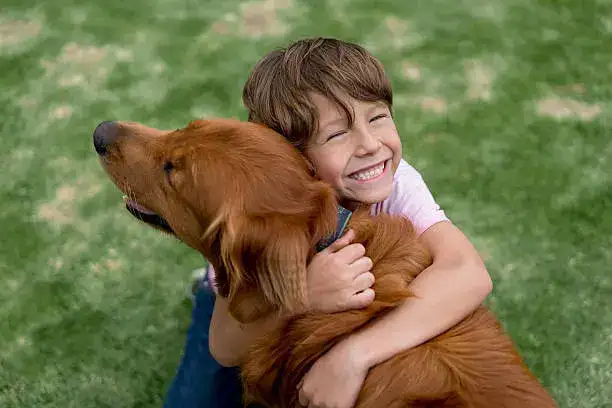
Dogs Can Tell the Difference
Dogs do not treat all humans the same. They are skilled at reading body language, tone of voice, and movement patterns. Children behave very differently from adults. They move quickly, make sudden noises, and express emotions openly. Dogs pick up on these signals instantly.
Because of this, dogs often approach children with more caution or curiosity. Research suggests that dogs tend to sync their behaviour more closely with adults because adults are more predictable. With children, dogs stay more alert as they try to understand what might happen next.
Instinct Plays a Powerful Role
Dogs come from pack-based ancestors where protecting weaker members was essential for survival. This instinct has not disappeared. Children, due to their size and behaviour, can trigger this natural protective response.
This is why some dogs stay close to children, watch them carefully, or react quickly when they cry or seem upset. It is not always something they are trained to do. It comes from a deep-rooted sense of social bonding and care.
A Strong Emotional Connection
There is also a biological side to this bond. When dogs and children interact, both can experience an increase in oxytocin, a hormone linked to trust and emotional connection. This shared response strengthens their relationship over time.
As this bond grows, dogs may become more engaged with children, while children often feel comforted and safe around dogs. This mutual connection can be powerful and emotionally rich.
Dogs Adapt to Children’s Energy
Dogs are not passive companions. They constantly adjust their behaviour based on their surroundings. Around children, they may become more playful, gentle, or attentive depending on the situation.
At the same time, children can be unpredictable. A dog may switch quickly from playful to watchful if a child suddenly shouts or moves abruptly. This balance between engagement and caution is a sign that the dog is actively assessing the environment.
Early Experiences Shape Behaviour
Not all dogs react to children in the same way. One of the biggest influences is early exposure. Dogs that grow up around children during their early development tend to be more relaxed and tolerant.
Dogs that lack this exposure may feel confused or uneasy. Their reactions, such as stepping back or avoiding interaction, are usually signs of uncertainty rather than aggression. They are simply trying to process unfamiliar behaviour.
Why Children Can Be Challenging for Dogs
Children often break the social patterns dogs are used to with adults. They may run suddenly, make loud sounds, or interact in ways that feel inconsistent. Some dogs handle this well, especially if they are naturally calm or well-socialised.
Others may struggle to interpret these actions. This does not make them unfriendly. It highlights the importance of guiding both the dog and the child to interact safely and respectfully.
More Than Just Diet or Training
While training and environment matter, a dog’s response to children is shaped by a mix of instinct, learning, and emotional awareness. Clean surroundings, a calm home, and positive experiences all help strengthen this relationship.
Stress, poor health, or uncomfortable environments can dull a dog’s natural responses and even affect how it interacts with children.
The Deeper Truth
Dogs treat children differently because they understand them differently. To a dog, a child is not just a smaller version of an adult. A child is more expressive, less predictable, and more vulnerable.
This unique combination creates a response that blends curiosity, care, caution, and protection. Every interaction is shaped by the dog’s effort to interpret and respond appropriately.
What This Means for You
When your dog stays close to your child, reacts to their emotions, or behaves more gently, it is showing awareness and adaptability. These behaviours are signs of a complex understanding rather than random actions.
With proper supervision and positive experiences, the bond between a dog and a child can grow into something deeply meaningful. It becomes more than companionship. It is a relationship built on trust, instinct, and a constant effort to connect and protect in a shared space.
Dogs Can Tell the Difference
Dogs do not treat all humans the same. They are skilled at reading body language, tone of voice, and movement patterns. Children behave very differently from adults. They move quickly, make sudden noises, and express emotions openly. Dogs pick up on these signals instantly. Because of this, dogs often approach children with more caution or curiosity. Research suggests that dogs tend to sync their behaviour more closely with adults because adults are more predictable. With children, dogs stay more alert as they try to understand what might happen next.
Instinct Plays a Powerful Role
Dogs come from pack-based ancestors where protecting weaker members was essential for survival. This instinct has not disappeared. Children, due to their size and behaviour, can trigger this natural protective response. This is why some dogs stay close to children, watch them carefully, or react quickly when they cry or seem upset. It is not always something they are trained to do. It comes from a deep-rooted sense of social bonding and care.
A Strong Emotional Connection
There is also a biological side to this bond. When dogs and children interact, both can experience an increase in oxytocin, a hormone linked to trust and emotional connection. This shared response strengthens their relationship over time. As this bond grows, dogs may become more engaged with children, while children often feel comforted and safe around dogs. This mutual connection can be powerful and emotionally rich.
Dogs Adapt to Children’s Energy
Dogs are not passive companions. They constantly adjust their behaviour based on their surroundings. Around children, they may become more playful, gentle, or attentive depending on the situation. At the same time, children can be unpredictable. A dog may switch quickly from playful to watchful if a child suddenly shouts or moves abruptly. This balance between engagement and caution is a sign that the dog is actively assessing the environment.
You may also like
- Your Electricity Connection Won't Be Cut Off—But Who Will Address Complaints from UP Residents in Case of a Glitch? Note Down These Numbers
- Chanakya Niti: 5 Ways to Know Someone Feels Insecure Around You in Seconds
- Pumpkin seed oil for hair: How to make pumpkin seed oil for super hair growth in summer
- Understanding Nautapa: Significance and Practices During the Scorching Days
- Understanding the Mohini Ekadashi Fast: Guidelines and Health Considerations
Early Experiences Shape Behaviour
Not all dogs react to children in the same way. One of the biggest influences is early exposure. Dogs that grow up around children during their early development tend to be more relaxed and tolerant. Dogs that lack this exposure may feel confused or uneasy. Their reactions, such as stepping back or avoiding interaction, are usually signs of uncertainty rather than aggression. They are simply trying to process unfamiliar behaviour.
Why Children Can Be Challenging for Dogs
Children often break the social patterns dogs are used to with adults. They may run suddenly, make loud sounds, or interact in ways that feel inconsistent. Some dogs handle this well, especially if they are naturally calm or well-socialised. Others may struggle to interpret these actions. This does not make them unfriendly. It highlights the importance of guiding both the dog and the child to interact safely and respectfully.
More Than Just Diet or Training
While training and environment matter, a dog’s response to children is shaped by a mix of instinct, learning, and emotional awareness. Clean surroundings, a calm home, and positive experiences all help strengthen this relationship.Stress, poor health, or uncomfortable environments can dull a dog’s natural responses and even affect how it interacts with children.
The Deeper Truth
Dogs treat children differently because they understand them differently. To a dog, a child is not just a smaller version of an adult. A child is more expressive, less predictable, and more vulnerable. This unique combination creates a response that blends curiosity, care, caution, and protection. Every interaction is shaped by the dog’s effort to interpret and respond appropriately.
What This Means for You
When your dog stays close to your child, reacts to their emotions, or behaves more gently, it is showing awareness and adaptability. These behaviours are signs of a complex understanding rather than random actions. With proper supervision and positive experiences, the bond between a dog and a child can grow into something deeply meaningful. It becomes more than companionship. It is a relationship built on trust, instinct, and a constant effort to connect and protect in a shared space.






More from our partners


Loving Newspoint? Download the app now
