
Do You Know Aphids Are Born Pregnant? How They Reproduce So Fast

The phenomenon of aphids born pregnant is one of nature’s most unusual reproductive strategies. In these tiny insects, reproduction happens at such a fast pace that newborn aphids may already carry developing offspring inside them. This extraordinary biological process allows aphids to multiply rapidly without mating, making them one of the most successful insect groups on Earth.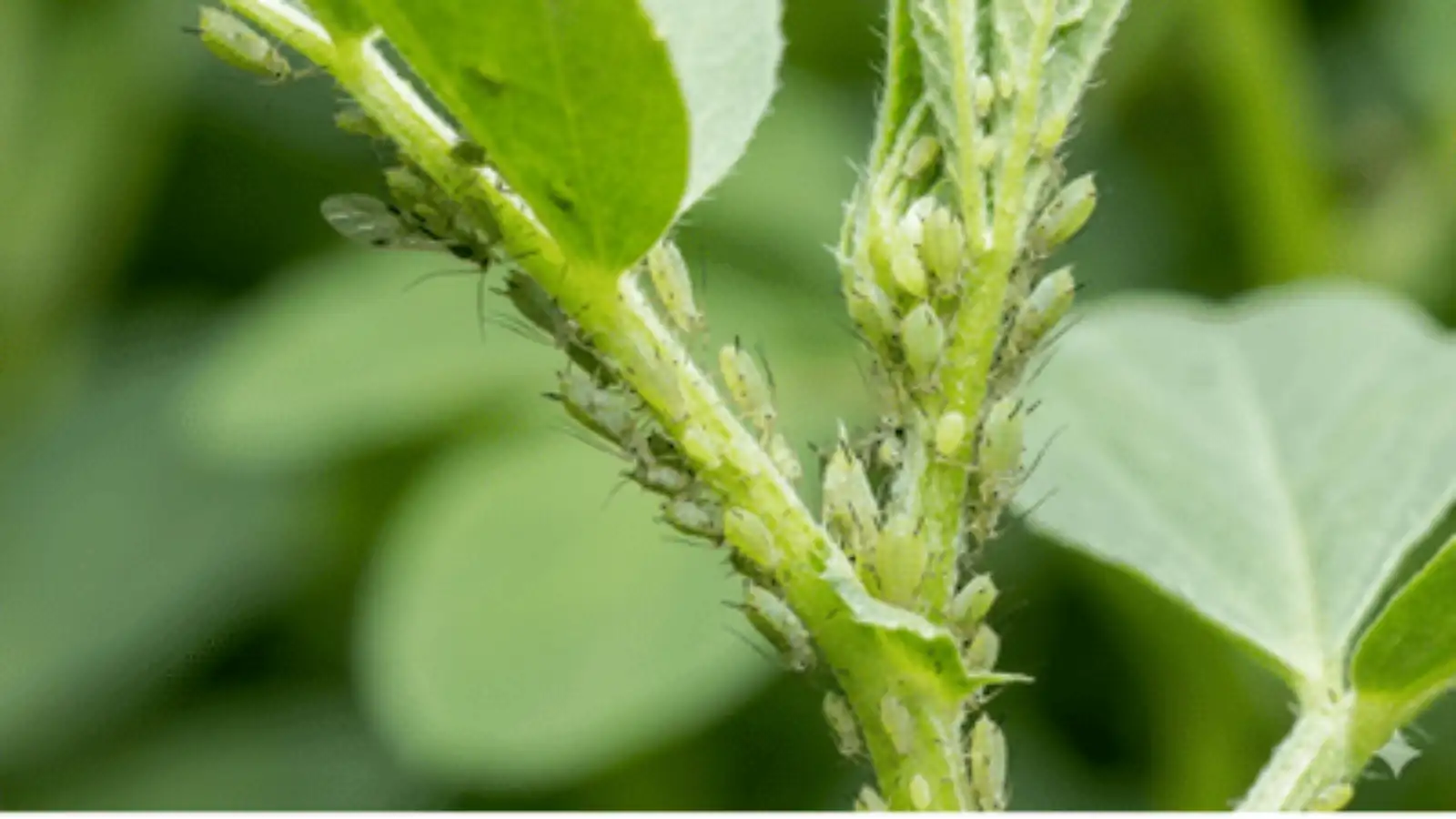
What Does “Aphids Born Pregnant” Actually Mean?
The idea that aphids are born pregnant is not a myth but a real biological adaptation. Female aphids can reproduce without fertilisation through a process called parthenogenesis, where offspring develop directly from the mother without the involvement of males.
Instead of laying eggs, female aphids give birth to live young. Even more surprisingly, each newborn female already contains embryos of the next generation developing inside her body. This creates a continuous chain of reproduction that begins even before an aphid is fully mature.
Parthenogenesis: The Key to Asexual Reproduction
Parthenogenesis is the core mechanism behind aphids’ unusual life cycle. In this process:
This method allows populations to grow extremely quickly, especially during favourable environmental conditions like warm weather and abundant plant food.
Telescoping Generations: A Biological Assembly Line
One of the most remarkable aspects of aphid biology is something known as telescoping generations.
Inside a single aphid:
This means a single aphid can effectively carry multiple future generations at once, like a set of Russian nesting dolls. This “biological stacking” dramatically shortens the time needed for population growth.
Why Aphids Multiply So Rapidly in Nature
Aphids belong to a vast insect family with thousands of species spread across the world. They are small sap-feeding insects that live in dense colonies on plants.
Their explosive growth is driven by several factors:
When the environment is suitable, aphid populations can increase dramatically within just a few days, often covering entire plants.
Interaction with Plants and Survival Strategy
Aphids do more than just feed on plants - they also influence plant growth. When they pierce plant tissues to feed, they inject chemical signals that can alter how plants develop.
Research suggests that:
Why Aphids Are a Major Concern for Farmers
Because of their rapid reproduction and feeding habits, aphids are considered one of the most problematic agricultural pests worldwide. Their ability to multiply quickly leads to:
The science behind aphids born pregnant reveals one of the most efficient reproductive systems in the insect world. Through parthenogenesis and telescoping generations, aphids achieve an almost continuous cycle of reproduction that allows their populations to expand at remarkable speed. While this makes them biologically fascinating, it also explains why they are such persistent agricultural pests.
Understanding their life cycle is key to managing their impact and appreciating the incredible diversity of survival strategies in nature.
What Does “Aphids Born Pregnant” Actually Mean?
The idea that aphids are born pregnant is not a myth but a real biological adaptation. Female aphids can reproduce without fertilisation through a process called parthenogenesis, where offspring develop directly from the mother without the involvement of males. Instead of laying eggs, female aphids give birth to live young. Even more surprisingly, each newborn female already contains embryos of the next generation developing inside her body. This creates a continuous chain of reproduction that begins even before an aphid is fully mature.
Parthenogenesis: The Key to Asexual Reproduction
Parthenogenesis is the core mechanism behind aphids’ unusual life cycle. In this process:
- Females reproduce without mating
- No males are required during most of the life cycle
- Offspring are genetic copies of the mother
This method allows populations to grow extremely quickly, especially during favourable environmental conditions like warm weather and abundant plant food.
Telescoping Generations: A Biological Assembly Line
One of the most remarkable aspects of aphid biology is something known as telescoping generations.
Inside a single aphid:
- Mature embryos are developing
- Inside those embryos, a third generation is already forming
This means a single aphid can effectively carry multiple future generations at once, like a set of Russian nesting dolls. This “biological stacking” dramatically shortens the time needed for population growth.
Why Aphids Multiply So Rapidly in Nature
Aphids belong to a vast insect family with thousands of species spread across the world. They are small sap-feeding insects that live in dense colonies on plants.
Their explosive growth is driven by several factors:
- Extremely fast reproductive cycles
- Ability to reproduce without mating
- Overlapping generations inside one body
- Rapid development under ideal conditions
When the environment is suitable, aphid populations can increase dramatically within just a few days, often covering entire plants.
Interaction with Plants and Survival Strategy
Aphids do more than just feed on plants - they also influence plant growth. When they pierce plant tissues to feed, they inject chemical signals that can alter how plants develop.
Research suggests that:
- Plants may form unusual growth structures called galls
- Aphids can even influence how plants repair damaged tissues
- These changes help aphids survive and continue feeding
- This ability makes them highly adaptive pests in agricultural ecosystems.
Why Aphids Are a Major Concern for Farmers
Because of their rapid reproduction and feeding habits, aphids are considered one of the most problematic agricultural pests worldwide. Their ability to multiply quickly leads to:
- Heavy infestations in a short time
- Damage to crops by sucking plant sap
- Reduced plant growth and yield
- Difficult pest control due to fast population recovery
- Even a small number of aphids can become a large colony within days, making early detection crucial for farmers.
The science behind aphids born pregnant reveals one of the most efficient reproductive systems in the insect world. Through parthenogenesis and telescoping generations, aphids achieve an almost continuous cycle of reproduction that allows their populations to expand at remarkable speed. While this makes them biologically fascinating, it also explains why they are such persistent agricultural pests.
Understanding their life cycle is key to managing their impact and appreciating the incredible diversity of survival strategies in nature.
Next Story