
Do You Know Which Indian City Is Called Camel Country?

When asking which Indian city is known as Camel Country, the answer is clear: Bikaner. Situated in north-western Rajasthan, Bikaner has earned the title Camel Country of India due to its strong historical and cultural connection with camels. For centuries, camels have shaped the city’s economy, traditions and desert lifestyle.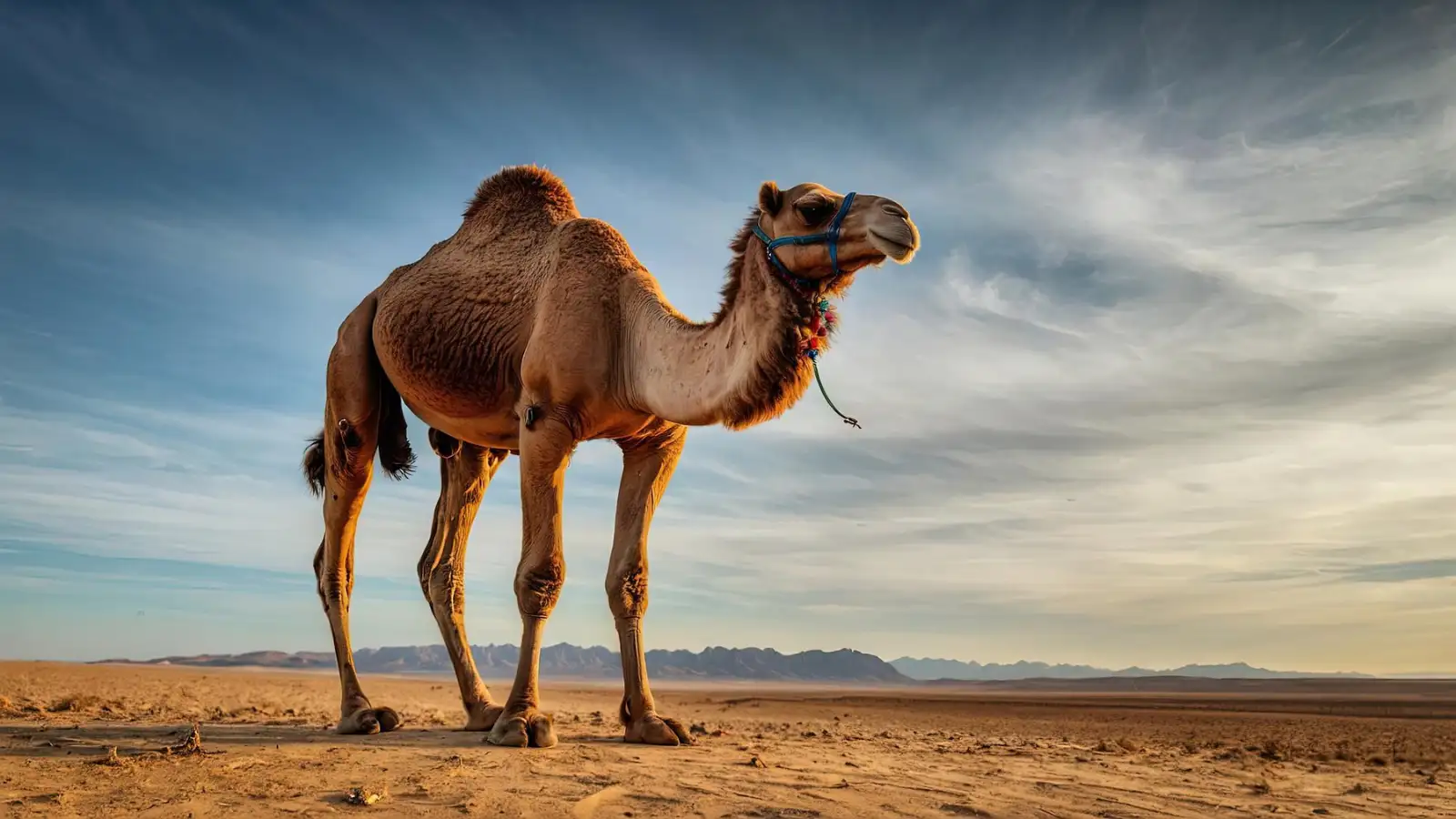
In the harsh terrain of the Thar Desert, camels symbolise survival and resilience. They were once vital for trade caravans, military transport and farming. Even today, Bikaner remains central to camel conservation through the renowned National Research Centre on Camel , where visitors can learn about different camel breeds and even sample camel milk products. This strong association firmly establishes Bikaner tourism as unique within Rajasthan.
The city proudly showcases its camel heritage during the annual Bikaner Camel Festival . Decorated camels parade through the streets, participate in races and perform alongside folk dancers. The festival highlights why Bikaner is called Camel Country and attracts travellers from across the globe.
Beyond camels, Bikaner offers remarkable attractions. The majestic Junagarh Fort, built in the 16th century, stands out for its intricate carvings and palatial courtyards. Unlike many Rajasthani forts, it is constructed on the plains. The unusual Karni Mata Temple, also known as the Rat Temple, draws curious visitors to nearby Deshnok.
For royal elegance, Lalgarh Palace showcases a blend of Rajput, Mughal and European architectural styles. Nature lovers can escape to Gajner Palace and its serene lake surroundings.
Top things to do in Bikaner include camel safaris across golden dunes, exploring colourful local markets and tasting famous Bikaneri bhujia and sweets. Desert camping under star-lit skies offers a magical Rajasthani experience.
The best time to visit Bikaner is between October and March, when the weather is pleasant for sightseeing and camel rides. Well-connected by road and rail, with the nearest airport in Jodhpur, reaching Bikaner is convenient.
Bikaner truly lives up to its name as the Camel Country of India. A journey here is not just about desert landscapes; it is about embracing a heritage built on resilience, culture and timeless tradition.
In the harsh terrain of the Thar Desert, camels symbolise survival and resilience. They were once vital for trade caravans, military transport and farming. Even today, Bikaner remains central to camel conservation through the renowned National Research Centre on Camel , where visitors can learn about different camel breeds and even sample camel milk products. This strong association firmly establishes Bikaner tourism as unique within Rajasthan.
The city proudly showcases its camel heritage during the annual Bikaner Camel Festival . Decorated camels parade through the streets, participate in races and perform alongside folk dancers. The festival highlights why Bikaner is called Camel Country and attracts travellers from across the globe.
Beyond camels, Bikaner offers remarkable attractions. The majestic Junagarh Fort, built in the 16th century, stands out for its intricate carvings and palatial courtyards. Unlike many Rajasthani forts, it is constructed on the plains. The unusual Karni Mata Temple, also known as the Rat Temple, draws curious visitors to nearby Deshnok.
For royal elegance, Lalgarh Palace showcases a blend of Rajput, Mughal and European architectural styles. Nature lovers can escape to Gajner Palace and its serene lake surroundings.
Top things to do in Bikaner include camel safaris across golden dunes, exploring colourful local markets and tasting famous Bikaneri bhujia and sweets. Desert camping under star-lit skies offers a magical Rajasthani experience.
The best time to visit Bikaner is between October and March, when the weather is pleasant for sightseeing and camel rides. Well-connected by road and rail, with the nearest airport in Jodhpur, reaching Bikaner is convenient.
Bikaner truly lives up to its name as the Camel Country of India. A journey here is not just about desert landscapes; it is about embracing a heritage built on resilience, culture and timeless tradition.
Next Story