
Can A New City Transform Your Identity And Behaviour? The Science Explained

Every year millions of Indians relocate for study, work or marriage. A student from Patna settling in Bengaluru may begin speaking more English, while someone from Kochi moving to Gurugram might adopt new food tastes and a faster lifestyle. These everyday shifts spark a deeper question: does changing cities change who you are? Science suggests that the answer is more complex than a simple yes or no.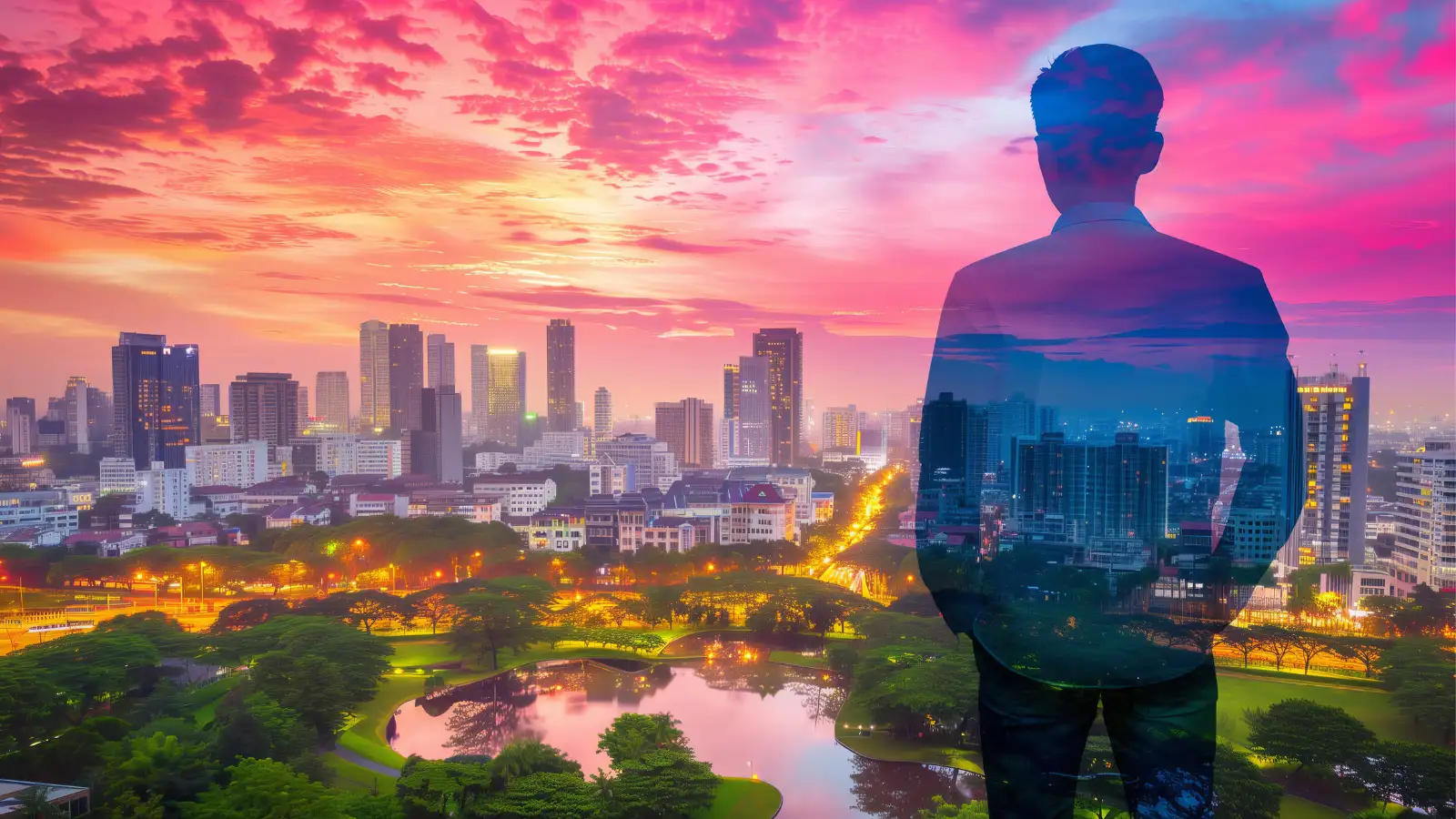
For decades, psychologists believed personality was largely fixed by genetics and childhood. Yet a landmark study involving 14 million twins found that genes explain only about half of our traits. The rest develops through environment and experiences. This idea, known as place identity , argues that the streets we walk, the people we meet and the culture around us slowly mould our behaviour.
The contrast between small towns and metros illustrates this clearly. In close-knit towns, people often grow up community-oriented and expressive. After moving to crowded cities where anonymity is common, many become more independent, guarded and goal-driven. Mental health experts note that noisy or unsafe surroundings can increase stress, while greener neighbourhoods promote confidence and calm. The city itself becomes a silent teacher.
India’s rapid urbanisation is accelerating this transformation. When a young professional shifts from a tier-2 town to Hyderabad or Bengaluru, the change is not limited to a new job. Accent softens, clothing evolves and ambitions expand. Sociologists describe this as a hybrid identity, a blend of old roots and new urban influences.
However, the journey is not always smooth. Migrants often battle loneliness after leaving familiar food, language and family rituals. Many appear socially active yet feel disconnected inside because the new city has not fully become home. The digital world partly fills this gap. Online communities allow a person in Jaipur to feel closer to global friends than local neighbours, creating a mixed sense of belonging.
Researchers emphasise that relocation does not erase the core self. Instead, each city adds fresh layers of skills, memories and perspectives. In a country as diverse as India, moving between regions can enrich identity rather than dilute it.
So, changing cities may not change who you are at the core, but it certainly reshapes how you think, live and dream. The science of place and identity shows that we are all, in some way, products of the cities we call home.
For decades, psychologists believed personality was largely fixed by genetics and childhood. Yet a landmark study involving 14 million twins found that genes explain only about half of our traits. The rest develops through environment and experiences. This idea, known as place identity , argues that the streets we walk, the people we meet and the culture around us slowly mould our behaviour.
The contrast between small towns and metros illustrates this clearly. In close-knit towns, people often grow up community-oriented and expressive. After moving to crowded cities where anonymity is common, many become more independent, guarded and goal-driven. Mental health experts note that noisy or unsafe surroundings can increase stress, while greener neighbourhoods promote confidence and calm. The city itself becomes a silent teacher.
India’s rapid urbanisation is accelerating this transformation. When a young professional shifts from a tier-2 town to Hyderabad or Bengaluru, the change is not limited to a new job. Accent softens, clothing evolves and ambitions expand. Sociologists describe this as a hybrid identity, a blend of old roots and new urban influences.
However, the journey is not always smooth. Migrants often battle loneliness after leaving familiar food, language and family rituals. Many appear socially active yet feel disconnected inside because the new city has not fully become home. The digital world partly fills this gap. Online communities allow a person in Jaipur to feel closer to global friends than local neighbours, creating a mixed sense of belonging.
Researchers emphasise that relocation does not erase the core self. Instead, each city adds fresh layers of skills, memories and perspectives. In a country as diverse as India, moving between regions can enrich identity rather than dilute it.
So, changing cities may not change who you are at the core, but it certainly reshapes how you think, live and dream. The science of place and identity shows that we are all, in some way, products of the cities we call home.
Next Story