
Does the Season of Birth Affect a Baby's Health? What Parents Should Know


Parents may wonder whether the season their baby is born in can affect their health. Babies born in different seasons may experience different temperatures, infections, sunlight exposure, and environmental conditions during their early months.
These factors can sometimes influence health, but they are only part of the picture. A baby’s health also depends on genetics, pregnancy health, nutrition, medical care, and their environment after birth.
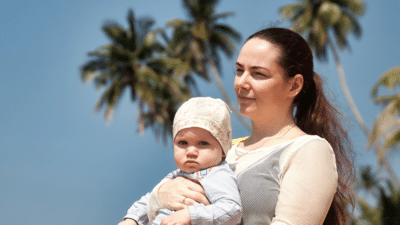
To understand how the season of birth may affect a child’s health, we spoke with Dr Abhimanyu Sengupta, Senior Consultant in General Paediatrics at Ankura Hospital for Women & Children, Aundh, Pune.
 Can the Season of Birth Affect a Babys Health?The season of birth may be linked with some health differences during infancy and childhood. However, this does not mean that one season is better or worse for having a baby.
Some factors that change with the seasons include:
Does Birth Season Affect Birth Weight?Babies born at different times of the year may have small differences in birth weight. However, birth weight is affected by many other factors, including:
Can the Season of Birth Affect Allergies?The time of year a baby is born may be associated with certain allergies in some children. Changes in pollen, infections, indoor exposure, sunlight, and other environmental factors may play a role.
However, being born in winter, summer, monsoon, or another season does not mean a baby will develop allergies.
Family history and environmental exposure are also important.
Does Birth Season Affect Asthma or Breathing Problems?A baby's early exposure to respiratory infections and changes in temperature or air quality may influence respiratory health.
For example, a baby born shortly before a season when respiratory infections are common may catch them in the first few months.
But birth season alone does not cause asthma or other breathing problems.
How Can the Season Affect a Baby’s Health?Different seasons can change sunlight, infections, temperature, and daily habits, which may affect a baby’s health during pregnancy or after birth.
1. Sunlight and Vitamin D
Sunlight changes throughout the year and helps the body produce vitamin D, which supports healthy growth and development. However, vitamin D levels also depend on diet, supplements, skin type, and lifestyle.
2. Seasonal Infections
Some infections are more common during certain seasons. Because babies have developing immune systems, infections in the early months may affect their health.
3. Hot and Cold Weather
Extreme heat or cold can challenge newborns. Keeping the baby comfortable and following safe newborn-care practices can help.
4. Food and Nutrition During Pregnancy
A mother's diet during pregnancy supports the baby's growth and development. Seasonal changes in food choices and eating habits may also influence nutrition.
Is There a Best Season to Have a Baby?No. No single season is the healthiest time to have a baby.
A baby can be born healthy in any month. Pregnancy care, maternal health, nutrition, genetics, birth conditions, and appropriate newborn care matter far more than the birth season.
During pregnancy:
After birth:
FAQs on Does the Season of Birth Affect a Baby’s Health? What Parents Should KnowIs a baby born in winter less healthy?
No. Being born in winter does not automatically make a baby less healthy. Is summer the best season to have a baby?
No. There is no single best season to give birth. Can the season of birth affect a baby's immunity?
The season can change a baby's exposure to infections and environmental conditions, but it does not determine how strong their immune system will be.
These factors can sometimes influence health, but they are only part of the picture. A baby’s health also depends on genetics, pregnancy health, nutrition, medical care, and their environment after birth.
To understand how the season of birth may affect a child’s health, we spoke with Dr Abhimanyu Sengupta, Senior Consultant in General Paediatrics at Ankura Hospital for Women & Children, Aundh, Pune.
Some factors that change with the seasons include:
- Temperature and humidity
- Sunlight exposure
- Seasonal infections
- Air quality
- Maternal nutrition
- Outdoor activity and lifestyle
Does Birth Season Affect Birth Weight?Babies born at different times of the year may have small differences in birth weight. However, birth weight is affected by many other factors, including:
- Length of pregnancy
- Mother's health
- Nutrition during pregnancy
- Placental health
- Baby's growth
- Smoking or alcohol exposure
- Pregnancy complications
Can the Season of Birth Affect Allergies?The time of year a baby is born may be associated with certain allergies in some children. Changes in pollen, infections, indoor exposure, sunlight, and other environmental factors may play a role.
However, being born in winter, summer, monsoon, or another season does not mean a baby will develop allergies.
Family history and environmental exposure are also important.
Does Birth Season Affect Asthma or Breathing Problems?A baby's early exposure to respiratory infections and changes in temperature or air quality may influence respiratory health.
For example, a baby born shortly before a season when respiratory infections are common may catch them in the first few months.
But birth season alone does not cause asthma or other breathing problems.
How Can the Season Affect a Baby’s Health?Different seasons can change sunlight, infections, temperature, and daily habits, which may affect a baby’s health during pregnancy or after birth.
1. Sunlight and Vitamin D
Sunlight changes throughout the year and helps the body produce vitamin D, which supports healthy growth and development. However, vitamin D levels also depend on diet, supplements, skin type, and lifestyle.
2. Seasonal Infections
Some infections are more common during certain seasons. Because babies have developing immune systems, infections in the early months may affect their health.
3. Hot and Cold Weather
Extreme heat or cold can challenge newborns. Keeping the baby comfortable and following safe newborn-care practices can help.
4. Food and Nutrition During Pregnancy
A mother's diet during pregnancy supports the baby's growth and development. Seasonal changes in food choices and eating habits may also influence nutrition.
Is There a Best Season to Have a Baby?No. No single season is the healthiest time to have a baby.
A baby can be born healthy in any month. Pregnancy care, maternal health, nutrition, genetics, birth conditions, and appropriate newborn care matter far more than the birth season.
How Can Parents Support Their Baby’s Health?Instead of worrying about the baby's birth season, parents can focus on things they can control.
During pregnancy:
- Attend regular prenatal appointments
- Eat a balanced diet
- Take recommended supplements
- Follow vaccination advice
- Manage existing health conditions
- Avoid smoking and alcohol
- Follow medical advice during infections
- Follow recommended vaccination schedules
- Breastfeed or formula-feed as advised
- Follow safe-sleep practices
- Keep the baby comfortable in hot or cold weather
- Monitor feeding and growth
- Seek medical care when the baby is unwell
FAQs on Does the Season of Birth Affect a Baby’s Health? What Parents Should Know
No. Being born in winter does not automatically make a baby less healthy.
No. There is no single best season to give birth.
The season can change a baby's exposure to infections and environmental conditions, but it does not determine how strong their immune system will be.
Next Story