
Does Your Cat Seem to Drink Very Little Water? Simple Ways to Make Fresh Water Easier to Access

Cats do not always drink water in ways that owners notice, and some may prefer bowl shapes or locations. Fresh water should be available, including for cats that eat wet food. Paying attention to drinking habits can help owners recognise changes, although it is not necessary to force a cat to drink.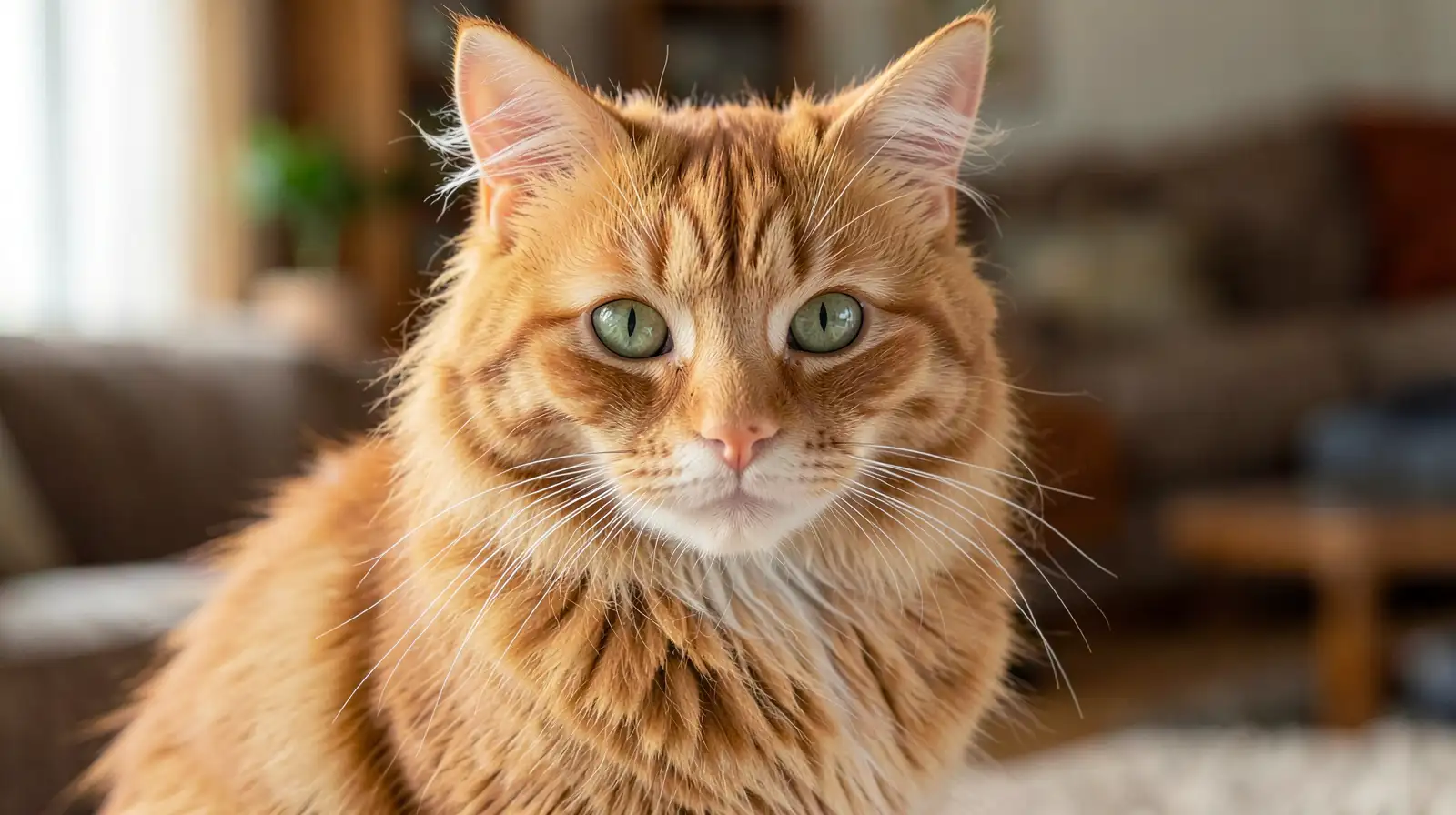
Hydration needs vary with diet, activity, temperature and health. A cat that suddenly drinks much more or much less than usual may need veterinary assessment. Small adjustments to water placement can encourage access, but persistent changes should not be dismissed as fussiness or managed with home remedies alone.
Some cats appear to prefer wide, shallow bowls that allow their whiskers to avoid constant contact with the sides. Others may be comfortable with different designs. Try a clean bowl made from a suitable, easy-to-wash material and observe whether your cat uses it. Change one factor at a time so you can see what makes a difference.
Wet food contains more moisture than dry food, so a cat's apparent drinking habits may differ depending on its diet. Some owners discuss adding moisture to meals with their veterinarian, particularly when a cat has a health condition requiring a specific diet. Do not make major dietary changes without appropriate guidance.
Contact a veterinarian if changes persist or occur alongside vomiting, reduced appetite, lethargy or other signs of illness. Do not try to force water into a cat's mouth, as this can cause distress and may be unsafe. If your cat appears seriously unwell, seek prompt veterinary care.
Making water accessible is a useful daily habit, but it cannot replace medical assessment. Keep track of noticeable changes, particularly in older cats or animals with known health concerns. A comfortable setup, clean bowls and timely veterinary advice provide a more sensible approach than relying on supplements or home remedies.
Hydration needs vary with diet, activity, temperature and health. A cat that suddenly drinks much more or much less than usual may need veterinary assessment. Small adjustments to water placement can encourage access, but persistent changes should not be dismissed as fussiness or managed with home remedies alone.
Make water easy to reach
Place water bowls in accessible, quiet areas where your cat can approach without being disturbed. In a multi-cat home, consider offering more than one drinking location so that a cat does not need to pass another animal to reach water. Keep bowls away from litter trays and food where practical.You may also like
- Bengal and Japan, we are both made of fish and rice: Ashida Katsunori
- Peter Nagy, the man who put Indian contemporary art on the world map, dies at 67
- Meet Illumi Maeda: 6-year-old Japanese girl who becomes the world's youngest female club DJ
- Oscar Whitfield wins 2026 Young Wildlife Photographer of the Year title with close-up image of a dung beetle in Zimbabwe's Zambezi National Park, along with five other stunning pictures
- Understanding Parent-Child Relationships: The Unique Bonds Between Sons and Daughters
Some cats appear to prefer wide, shallow bowls that allow their whiskers to avoid constant contact with the sides. Others may be comfortable with different designs. Try a clean bowl made from a suitable, easy-to-wash material and observe whether your cat uses it. Change one factor at a time so you can see what makes a difference.
Keep water fresh and consider the diet
Refresh drinking water regularly and wash bowls to remove residue. Avoid placing bowls where they can easily collect dust, litter or food scraps. If your cat knocks over the bowl, a stable design or a different location may help maintain access.Wet food contains more moisture than dry food, so a cat's apparent drinking habits may differ depending on its diet. Some owners discuss adding moisture to meals with their veterinarian, particularly when a cat has a health condition requiring a specific diet. Do not make major dietary changes without appropriate guidance.
Watch for changes that need veterinary advice
Notice whether your cat's drinking and urination patterns change over time. A sudden increase in thirst can be associated with medical conditions, while reduced drinking may also be concerning, especially if the cat is unwell or eating less. Drinking from unusual places can be worth discussing if it represents a new behaviour.Contact a veterinarian if changes persist or occur alongside vomiting, reduced appetite, lethargy or other signs of illness. Do not try to force water into a cat's mouth, as this can cause distress and may be unsafe. If your cat appears seriously unwell, seek prompt veterinary care.
Making water accessible is a useful daily habit, but it cannot replace medical assessment. Keep track of noticeable changes, particularly in older cats or animals with known health concerns. A comfortable setup, clean bowls and timely veterinary advice provide a more sensible approach than relying on supplements or home remedies.






Loving Newspoint? Download the app now
