
Dog Scent Games at Home: Simple Ways to Keep Your Pet's Nose Busy

A dog's nose is built to gather information, and scent-based games offer a practical way to use that natural ability indoors. A short search for a favourite toy or a few pieces of food can give a dog a purposeful task without requiring a large room or elaborate equipment.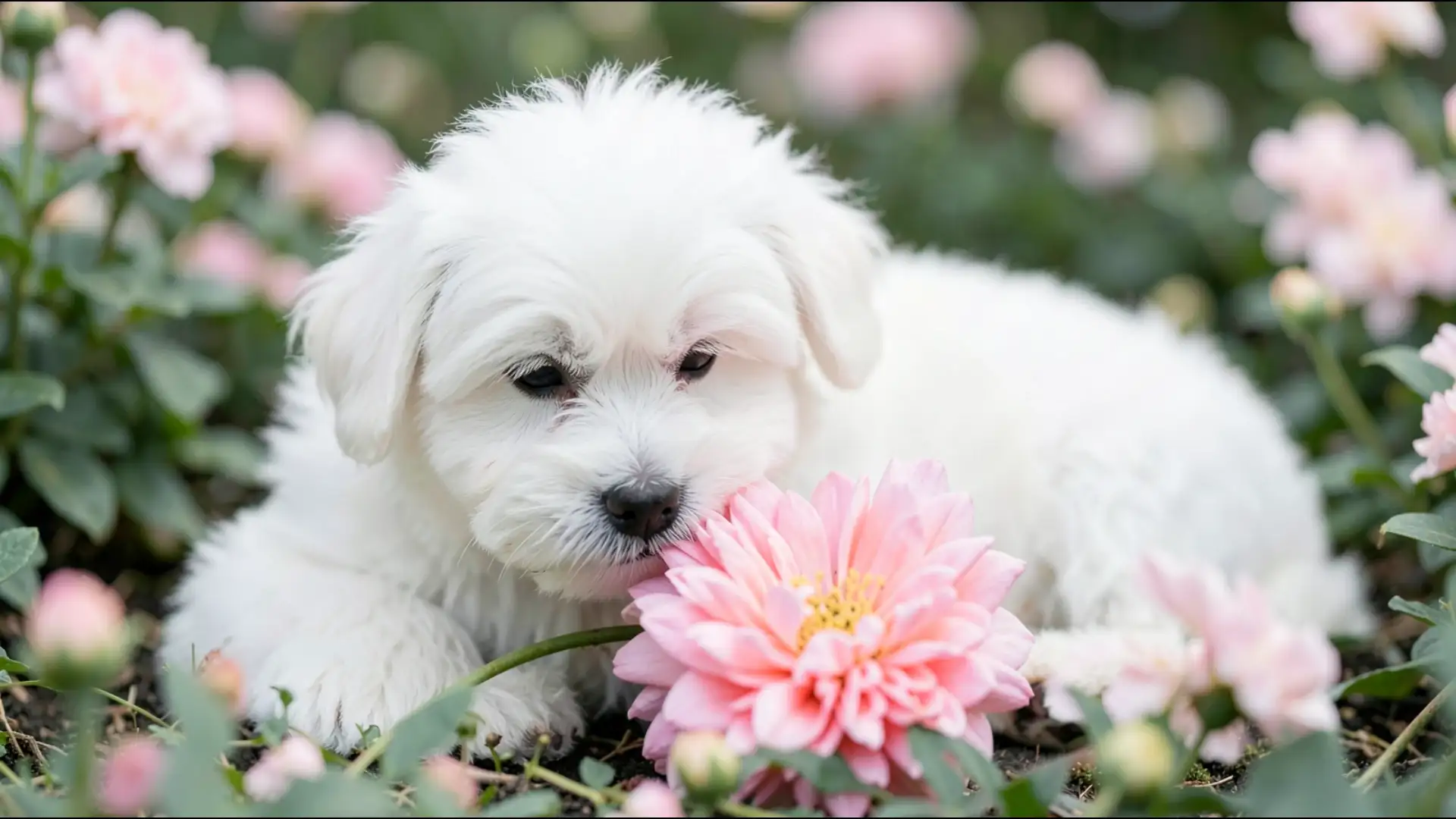
These activities are often called scent work or nose work. They are not a substitute for walks, training or social contact, but they can add variety to a dog's day. Begin with easy searches, keep the experience positive and increase difficulty only when the dog understands the game. Keep sessions brief.
Once the dog understands, make the search slightly less obvious. Place food beside a chair leg or hide a toy behind an open door while the dog waits elsewhere. Keep the first hiding places accessible; the aim is to build confidence, not create a puzzle the dog cannot solve.
When the dog is ready, ask it to wait in another room while you hide a familiar toy in an easy place. Release it with the search cue and give it time to work independently.
Scent games should complement normal exercise and companionship, not replace them. If a dog suddenly loses interest in food or play, or seems unable to locate familiar objects, discuss the change with a vet.
These activities are often called scent work or nose work. They are not a substitute for walks, training or social contact, but they can add variety to a dog's day. Begin with easy searches, keep the experience positive and increase difficulty only when the dog understands the game. Keep sessions brief.
Start with an easy search
Choose a quiet room and a familiar toy or a few pieces of the dog's normal food. Let the dog watch while you place the item on the floor a short distance away. Use a consistent cue such as "find it", then allow the dog to investigate. Praise calmly when it locates the reward.Once the dog understands, make the search slightly less obvious. Place food beside a chair leg or hide a toy behind an open door while the dog waits elsewhere. Keep the first hiding places accessible; the aim is to build confidence, not create a puzzle the dog cannot solve.
Increase the challenge gradually
Try a small number of cardboard boxes arranged on the floor, placing a treat in one of them. Let the dog sniff each box and discover the reward. Supervise closely, especially if the dog likes chewing or swallowing cardboard. Remove packaging tape, staples and small pieces before starting.Keep the game safe
Use toys large enough not to be swallowed and avoid hiding rewards near cleaning products, electrical cables, hot appliances or places the dog could become trapped. Do not encourage searching in bins or cupboards where unsafe items may be present.When the dog is ready, ask it to wait in another room while you hide a familiar toy in an easy place. Release it with the search cue and give it time to work independently.
Make room for individual ability
Dogs with reduced vision can still use scent, but keep the area familiar and remove obstacles. End while the dog remains interested, offer water and allow it to rest.Scent games should complement normal exercise and companionship, not replace them. If a dog suddenly loses interest in food or play, or seems unable to locate familiar objects, discuss the change with a vet.
Next Story