
How Do Dolphins Pick Their Closest Friends? The Science of Dolphin Bonds

Dolphins are often seen swimming together in groups, travelling through the ocean, playing and communicating with one another. But these groups are not simply random gatherings. Some dolphins appear to form particularly strong relationships with certain individuals, spending more time with them and working closely together.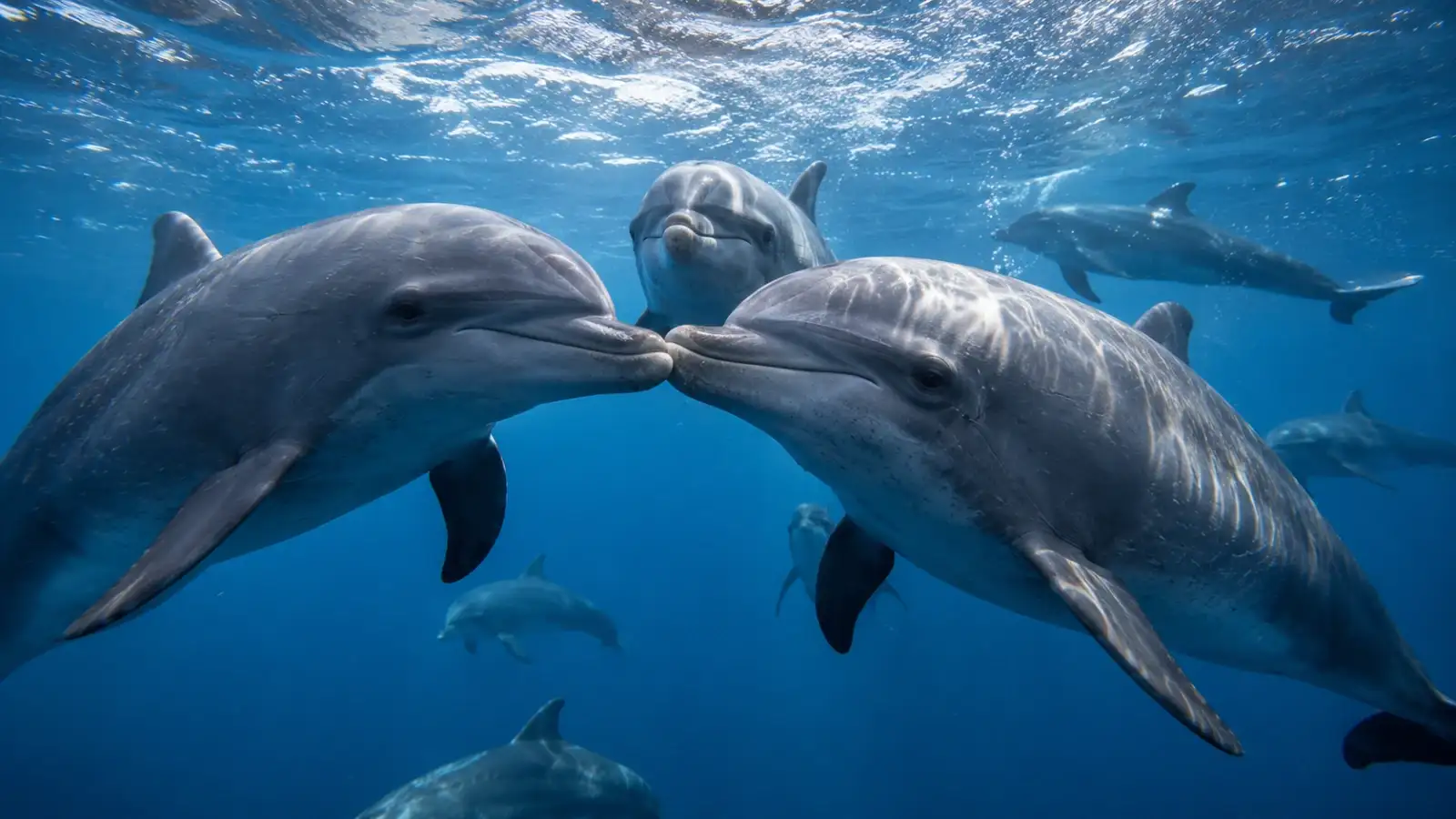
These dolphin friendships are one of the most fascinating parts of their social lives. Researchers have found that dolphins can develop long-lasting relationships, cooperate with one another and even remember individuals they have not seen for long periods.
So, how does a dolphin decide which other dolphins it wants to spend time with? The answer appears to involve familiarity, cooperation, personality and shared experiences.
Researchers studying bottlenose dolphins have found evidence of strong social bonds between individuals. These relationships can involve travelling together, resting near one another, playing and cooperating during different activities.
This means that when we see a group of dolphins swimming together, there may be several different relationships hidden within that larger group.
Some dolphins may simply be travelling in the same area, while others may be particularly close companions.
Repeated interactions allow dolphins to become familiar with an individual's calls, movements and personality. Over time, this can make cooperation easier.
A dolphin that already knows how another dolphin behaves may be a more reliable partner than an unfamiliar individual.
This is particularly important for animals that live in complex social groups and regularly need to cooperate.
Male bottlenose dolphins provide one of the most interesting examples. In some populations, males form alliances with other males. These partnerships can last for years and may involve two or more dolphins working together.
Scientists believe these alliances can help males compete for access to females and protect their social position.
A reliable partner can therefore be extremely valuable.
They may chase one another, swim together, touch each other or engage in playful behaviour. Such activities can help strengthen social bonds.
Young dolphins may spend considerable time learning how to interact with others. These early experiences can help them understand the rules of their social world.
Just as human friendships can grow through shared experiences, dolphin relationships may become stronger through repeated positive interactions.
Some may be more curious and playful, while others may be calmer or more cautious. These differences could influence which dolphins they prefer to spend time with.
A dolphin may be more likely to form a close relationship with another individual whose behaviour fits well with its own.
Scientists are still learning how much personality influences dolphin relationships, but individual differences appear to be an important part of their complex social lives.
Bottlenose dolphins produce distinctive vocalisations known as signature whistles. These whistles can act somewhat like individual identity signals, allowing dolphins to recognise and communicate with one another.
Research has also shown that dolphins can remember the signature whistles of other dolphins for remarkably long periods.
This ability to recognise familiar individuals gives dolphins an important advantage when maintaining long-term relationships.
They may rub their bodies against one another, swim closely together or touch fins. Physical contact can help reinforce social relationships and may be particularly important between closely bonded individuals.
Observing these interactions gives researchers clues about which dolphins have strong relationships.
A dolphin that repeatedly chooses to remain close to another may be showing more than simple convenience.
Mother and calf bonds are particularly strong. Young dolphins depend on their mothers for protection, guidance and learning during the early stages of life.
Female dolphins can also develop relationships with other females. These connections may provide social support and can be important in environments where individuals live in changing groups.
The social structure of dolphins is therefore more complicated than the simple idea of a single permanent pod.
A dolphin might spend part of the day with one group and later join another. Despite this flexibility, some relationships remain particularly strong.
This makes dolphin society fascinating because their friendships can remain stable even when the larger group is constantly changing.
It is a little like having a wide social circle while still having a few especially close friends.
We cannot know exactly what a dolphin feels in the same way that a person experiences friendship. However, repeated choices to spend time together, cooperate and maintain physical or vocal contact provide strong evidence of preferred social relationships.
These bonds appear to offer practical benefits as well as opportunities for social interaction.
They recognise individuals, remember familiar companions, cooperate, play and maintain relationships that can last for years. Familiarity and shared experiences may help build these connections, while personality and cooperation can influence which relationships become particularly strong.
The next time you see dolphins swimming side by side, there may be much more happening than meets the eye. One pair could be long-term companions, another group might be cooperating, and a younger dolphin could be learning important social skills by watching the older members.
For animals living in a constantly changing ocean, having trusted companions may be one of the most valuable relationships they can have.
These dolphin friendships are one of the most fascinating parts of their social lives. Researchers have found that dolphins can develop long-lasting relationships, cooperate with one another and even remember individuals they have not seen for long periods.
So, how does a dolphin decide which other dolphins it wants to spend time with? The answer appears to involve familiarity, cooperation, personality and shared experiences.
Dolphins Do Not Treat Every Group Member the Same
A dolphin pod can contain many individuals, but dolphins do not necessarily interact equally with everyone around them. Some pairs or small groups spend much more time together than others.Researchers studying bottlenose dolphins have found evidence of strong social bonds between individuals. These relationships can involve travelling together, resting near one another, playing and cooperating during different activities.
This means that when we see a group of dolphins swimming together, there may be several different relationships hidden within that larger group.
Some dolphins may simply be travelling in the same area, while others may be particularly close companions.
Familiarity Can Help Build a Bond
One of the simplest factors behind dolphin friendships is familiarity. Dolphins that regularly encounter one another may have more opportunities to develop trust and learn about each other's behaviour.Repeated interactions allow dolphins to become familiar with an individual's calls, movements and personality. Over time, this can make cooperation easier.
A dolphin that already knows how another dolphin behaves may be a more reliable partner than an unfamiliar individual.
This is particularly important for animals that live in complex social groups and regularly need to cooperate.
Cooperation May Strengthen Friendships
Dolphins are highly intelligent animals and are capable of working together in impressive ways. Cooperation can involve activities such as hunting, defending themselves or managing social conflicts.Male bottlenose dolphins provide one of the most interesting examples. In some populations, males form alliances with other males. These partnerships can last for years and may involve two or more dolphins working together.
Scientists believe these alliances can help males compete for access to females and protect their social position.
A reliable partner can therefore be extremely valuable.
Shared Activities Can Bring Dolphins Closer
Friendships are not always about serious survival tasks. Dolphins also spend time playing and interacting socially.They may chase one another, swim together, touch each other or engage in playful behaviour. Such activities can help strengthen social bonds.
Young dolphins may spend considerable time learning how to interact with others. These early experiences can help them understand the rules of their social world.
Just as human friendships can grow through shared experiences, dolphin relationships may become stronger through repeated positive interactions.
Personality Could Matter Too
Not every dolphin behaves in exactly the same way. Individual dolphins can have different temperaments and preferences.Some may be more curious and playful, while others may be calmer or more cautious. These differences could influence which dolphins they prefer to spend time with.
A dolphin may be more likely to form a close relationship with another individual whose behaviour fits well with its own.
Scientists are still learning how much personality influences dolphin relationships, but individual differences appear to be an important part of their complex social lives.
Dolphins Remember Individual Companions
Another important part of dolphin social behaviour is their impressive ability to recognise individuals.Bottlenose dolphins produce distinctive vocalisations known as signature whistles. These whistles can act somewhat like individual identity signals, allowing dolphins to recognise and communicate with one another.
Research has also shown that dolphins can remember the signature whistles of other dolphins for remarkably long periods.
This ability to recognise familiar individuals gives dolphins an important advantage when maintaining long-term relationships.
Touch Plays a Role in Dolphin Relationships
Dolphins communicate in many ways, including sounds, body movements and physical contact.They may rub their bodies against one another, swim closely together or touch fins. Physical contact can help reinforce social relationships and may be particularly important between closely bonded individuals.
Observing these interactions gives researchers clues about which dolphins have strong relationships.
A dolphin that repeatedly chooses to remain close to another may be showing more than simple convenience.
Female Dolphins Have Important Social Relationships Too
Much attention has been given to male dolphin alliances, but females also form meaningful social relationships.Mother and calf bonds are particularly strong. Young dolphins depend on their mothers for protection, guidance and learning during the early stages of life.
Female dolphins can also develop relationships with other females. These connections may provide social support and can be important in environments where individuals live in changing groups.
The social structure of dolphins is therefore more complicated than the simple idea of a single permanent pod.
Dolphin Groups Can Change Over Time
Dolphin societies are often described as having a fission-fusion structure. This means individuals can come together in different combinations and later separate.A dolphin might spend part of the day with one group and later join another. Despite this flexibility, some relationships remain particularly strong.
This makes dolphin society fascinating because their friendships can remain stable even when the larger group is constantly changing.
It is a little like having a wide social circle while still having a few especially close friends.
You may also like
- 'My daughter was ill, yet I was forced to work...': Woman's protest over termination claims sparks debate on workplace harassment
- Headache Striking Suddenly? This Simple Salt-and-Water Trick Is Being Shared for Quick Relief
- Health Tips: If you consume dry fruits daily, you will get many benefits, you can include them in your diet
- A spectacular confluence of classical dances unfolds in Pune
- Mosquitoes Bothering Your Little One? Try These 5 Simple Ways to Keep Insects Away
Do Dolphins Really Have Best Friends?
It is tempting to describe a dolphin's closest companion as its "best friend", but scientists are careful with human comparisons.We cannot know exactly what a dolphin feels in the same way that a person experiences friendship. However, repeated choices to spend time together, cooperate and maintain physical or vocal contact provide strong evidence of preferred social relationships.
These bonds appear to offer practical benefits as well as opportunities for social interaction.
A Social Life Beneath the Waves
The more scientists learn about dolphin behaviour , the clearer it becomes that their social lives are remarkably complex. Dolphins do not simply travel together because they happen to be in the same place.They recognise individuals, remember familiar companions, cooperate, play and maintain relationships that can last for years. Familiarity and shared experiences may help build these connections, while personality and cooperation can influence which relationships become particularly strong.
The next time you see dolphins swimming side by side, there may be much more happening than meets the eye. One pair could be long-term companions, another group might be cooperating, and a younger dolphin could be learning important social skills by watching the older members.
For animals living in a constantly changing ocean, having trusted companions may be one of the most valuable relationships they can have.






Loving Newspoint? Download the app now
