
Durum Wheat: An Ancient Crop Facing Modern Challenges

Durum wheat is one of the oldest known cultivated crops, dating back thousands of years. It is best known as the primary ingredient in pasta and semolina-based products. Despite its historical importance and nutritional value, this ancient grain is now facing a series of modern agricultural challenges.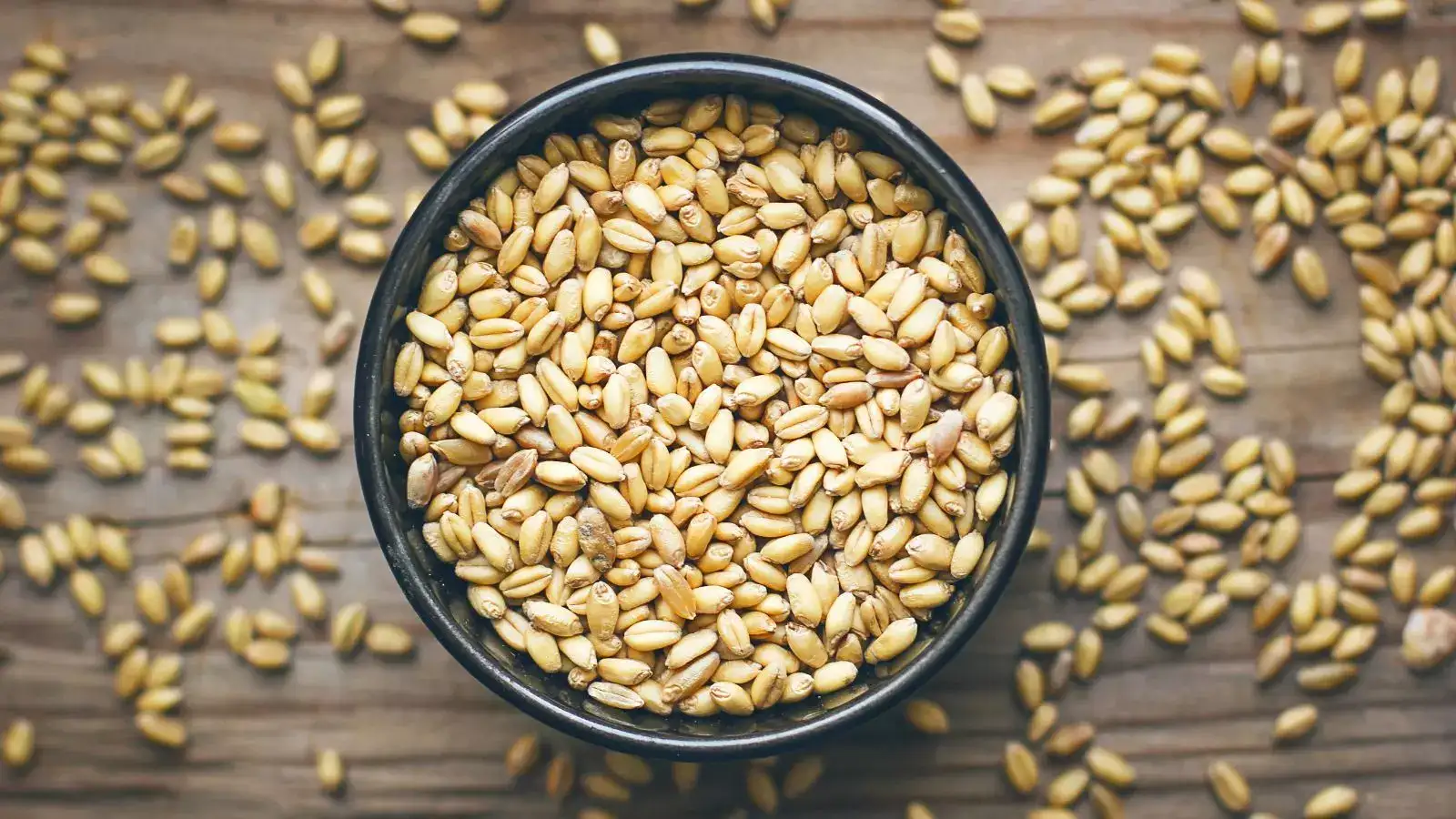
A Brief History of Durum Wheat
Originating in the Mediterranean and Middle Eastern regions, durum wheat has been a dietary staple for centuries. It is especially valued for its high protein content, which gives pasta its firm texture. Durum wheat’s ability to survive in dry and arid conditions made it a reliable crop in regions with poor soil quality and low rainfall.
Challenges in the Modern Era
In today’s farming environment, durum wheat is under threat from several directions. Climate change is a major concern, as shifting weather patterns, higher temperatures, and irregular rainfall make it harder to grow the crop successfully. These conditions can directly impact yield and grain quality.
Durum wheat is also susceptible to diseases such as wheat rust and Fusarium head blight. These fungal infections not only reduce production but also lead to contamination that can make crops unfit for consumption.
The Impact of Water Scarcity
Although durum wheat has traditionally thrived in dry regions, it remains highly sensitive to water stress. With global water resources under increasing pressure, especially in irrigation-dependent areas such as parts of Italy and North America, growing this crop has become increasingly difficult.
Farmers often struggle to provide enough water during critical growth stages, which results in lower yields and reduced grain quality.
Pests and Diseases: A Growing Concern
Besides climate issues, durum wheat faces a constant battle against pests and fungal diseases. Wheat rust, a fast-spreading fungal disease, can destroy large areas of crops. Fusarium, another major threat, not only damages the plant but can also produce toxins harmful to human and animal health.
These challenges make it vital for farmers to implement disease-resistant strains and adopt better monitoring systems.
Innovative Solutions for the Future
The agricultural community is actively working to address these problems. Plant scientists and geneticists are developing new drought-tolerant and disease-resistant varieties of durum wheat. These innovations aim to help the crop withstand harsh weather and pest attacks.
In addition, integrated pest management (IPM) strategies and improved farming techniques are being encouraged to ensure sustainable production without heavy chemical use.
Durum wheat is a crop of great historical and cultural significance, but its survival in modern agriculture is uncertain. With growing threats from climate change, water shortages, and pests, urgent action is required to protect this ancient grain. Thanks to ongoing research and innovation, there is still hope that durum wheat will continue to nourish future generations and remain a key ingredient in global cuisine.
A Brief History of Durum Wheat
Originating in the Mediterranean and Middle Eastern regions, durum wheat has been a dietary staple for centuries. It is especially valued for its high protein content, which gives pasta its firm texture. Durum wheat’s ability to survive in dry and arid conditions made it a reliable crop in regions with poor soil quality and low rainfall.
Challenges in the Modern Era
In today’s farming environment, durum wheat is under threat from several directions. Climate change is a major concern, as shifting weather patterns, higher temperatures, and irregular rainfall make it harder to grow the crop successfully. These conditions can directly impact yield and grain quality.
Durum wheat is also susceptible to diseases such as wheat rust and Fusarium head blight. These fungal infections not only reduce production but also lead to contamination that can make crops unfit for consumption.
The Impact of Water Scarcity
Although durum wheat has traditionally thrived in dry regions, it remains highly sensitive to water stress. With global water resources under increasing pressure, especially in irrigation-dependent areas such as parts of Italy and North America, growing this crop has become increasingly difficult.
You may also like
- TOI UP Transformation Dialogues: The story of Gorakhpur's Terracotta
- From a snow-buried pass to a traffic jam: Video shows how Baralacha La changed in 10 years - watch
- Looks like a chessboard, but isn't: How Odisha's iconic Pasapalli saree gets its perfect checks before it is even woven
- TOI UP Transformation Dialogues: How Gorakhpur is building a new industrial future
- UP Transformation Dialogues – Gorakhpur Summit: How law, order and women's safety are shaping investor confidence in Eastern UP
Farmers often struggle to provide enough water during critical growth stages, which results in lower yields and reduced grain quality.
Pests and Diseases: A Growing Concern
Besides climate issues, durum wheat faces a constant battle against pests and fungal diseases. Wheat rust, a fast-spreading fungal disease, can destroy large areas of crops. Fusarium, another major threat, not only damages the plant but can also produce toxins harmful to human and animal health.
These challenges make it vital for farmers to implement disease-resistant strains and adopt better monitoring systems.
Innovative Solutions for the Future
The agricultural community is actively working to address these problems. Plant scientists and geneticists are developing new drought-tolerant and disease-resistant varieties of durum wheat. These innovations aim to help the crop withstand harsh weather and pest attacks.
In addition, integrated pest management (IPM) strategies and improved farming techniques are being encouraged to ensure sustainable production without heavy chemical use.
Durum wheat is a crop of great historical and cultural significance, but its survival in modern agriculture is uncertain. With growing threats from climate change, water shortages, and pests, urgent action is required to protect this ancient grain. Thanks to ongoing research and innovation, there is still hope that durum wheat will continue to nourish future generations and remain a key ingredient in global cuisine.






Loving Newspoint? Download the app now
