
Earth’s Magnetic Field: 10 Mind-blowing Facts You Never Knew

Invisible yet vital, Earth’s magnetic field plays a crucial role in shielding the planet from harmful solar radiation and cosmic particles. Generated deep within the Earth’s molten outer core, this field acts like a giant protective bubble surrounding the globe. While many of us learned the basics in school, there are surprising and lesser-known truths about this magnetic shield that continue to intrigue scientists and affect everyday life. Here are ten astonishing facts about Earth’s magnetic field that might change the way you think about our planet.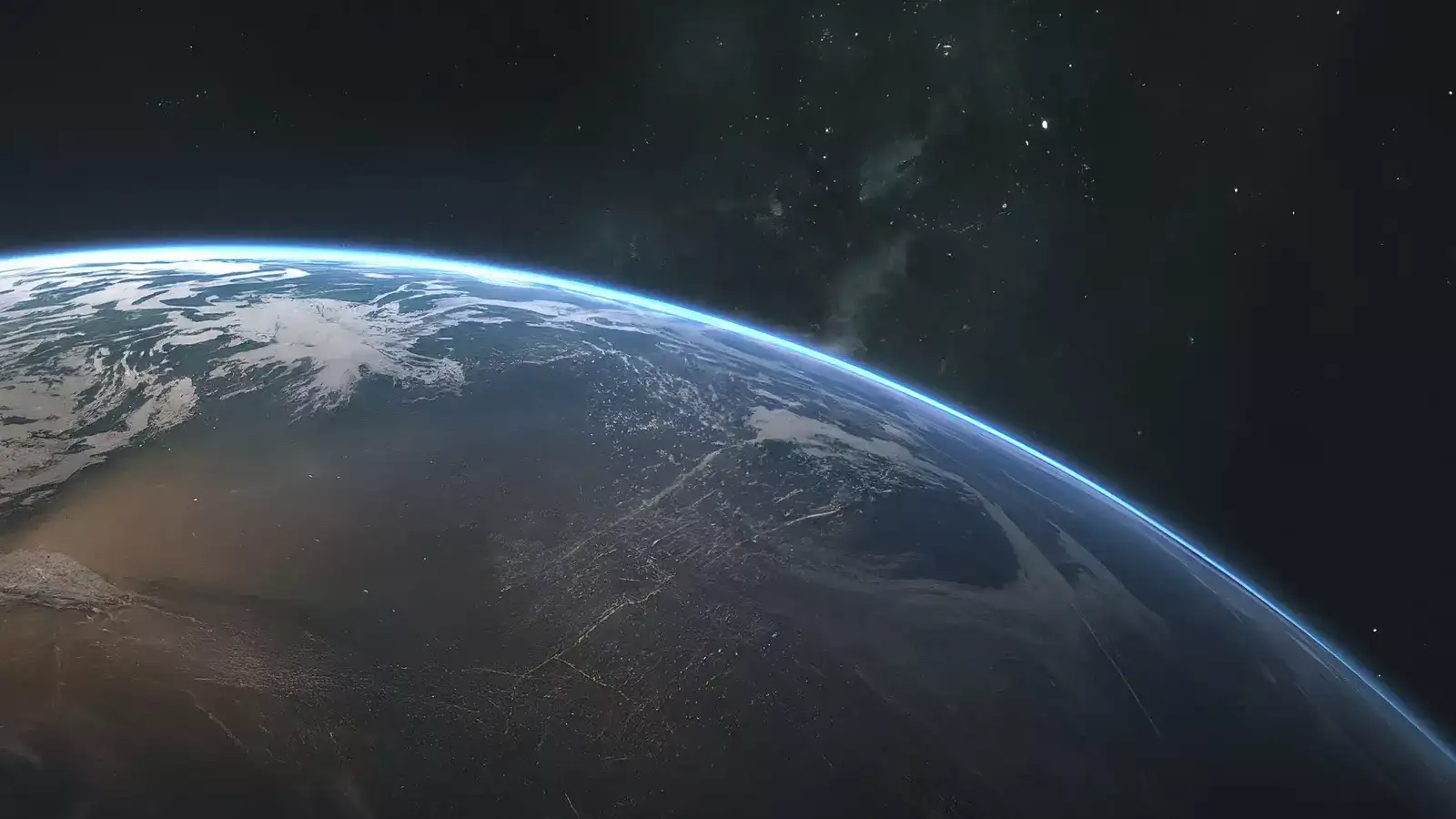
1. Earth’s Magnetic Field Is Generated by a Molten Metal Dynamo
The source of Earth’s magnetic field lies nearly 3,000 kilometres beneath our feet. It's created by the movement of molten iron and nickel in the outer core. This churning motion generates electric currents, which in turn produce the magnetic field—a process known as the geodynamo. It’s like a self-sustaining power plant operating at the heart of the planet.2. The Magnetic Field Is Not Perfectly Aligned With the Geographic Poles
Unlike what most maps suggest, the magnetic north pole doesn’t sit exactly at the geographic North Pole. In fact, it moves constantly. As of recent decades, it’s been drifting rapidly across the Arctic Ocean from Canada towards Russia. This wandering is caused by changes in the flow of molten metal within the core.3. Earth’s Magnetic Field Has Reversed Many Times
Perhaps one of the most surprising facts is that Earth’s magnetic field has flipped—meaning magnetic north and south have swapped places—many times in the past. These magnetic reversals occur roughly every 200,000 to 300,000 years, though not on a precise schedule. The last reversal happened about 780,000 years ago, and some scientists believe we may be due for another.4. The Field Is Getting Weaker in Some Areas
Satellites have detected that Earth’s magnetic field is weakening in specific regions, particularly over an area known as the South Atlantic Anomaly. This weakening could indicate that the magnetic field is preparing to reverse, but it might also be part of a natural fluctuation. A weaker field could impact satellite technology and communications, so scientists monitor it closely.5. The Magnetosphere Protects Us From Solar Winds
One of the magnetic field’s most important roles is forming the magnetosphere, a massive shield that diverts charged particles from the Sun. Without it, solar winds would strip away the atmosphere and make life on Earth impossible. It’s essentially Earth’s invisible force field, holding back destructive space weather.6. The Aurora Borealis Is a Byproduct of the Magnetic Field
Those mesmerising displays of light known as the aurora borealis (and aurora australis in the south) are actually caused by interactions between solar winds and Earth’s magnetic field. When these charged particles collide with gases in the atmosphere, they produce glowing light shows near the poles—visible proof of the magnetic field at work.7. Animals Use the Magnetic Field to Navigate
Several species of birds, sea turtles, and even insects can sense the Earth’s magnetic field and use it for navigation during long migrations. This internal compass helps them maintain direction over vast distances. Scientists are still working to understand exactly how this biological magnetoreception works.8. Earth’s Field Isn’t the Only One in the Solar System
Earth isn’t the only planet with a magnetic field. Jupiter, Saturn, Mercury, and even some of the moons like Ganymede have their own magnetic fields, though they vary in strength and structure. Jupiter’s magnetic field, for instance, is the largest and strongest in the solar system, spanning millions of kilometres.9. The Field Extends Far Beyond the Atmosphere
Earth’s magnetic influence stretches thousands of kilometres into space, well beyond the International Space Station’s orbit. This region, known as the magnetotail, extends on the night side of Earth and interacts with the solar wind, creating complex plasma dynamics that scientists are still studying.10. Humans May Be Subtly Affected by Magnetic Changes
Although we don’t have a magnetic sense as precise as birds or whales, there’s some evidence suggesting human biology may still be sensitive to magnetic variations. Research is ongoing into how geomagnetic activity could influence human behaviour, mood, and even sleep cycles—though findings remain inconclusive and controversial.A Magnetic Shield That Shapes Life on Earth
Earth’s magnetic field may be invisible, but its presence is fundamental to life as we know it. From guiding animals and lighting up the sky to shielding us from space radiation, this hidden force has a profound influence on the planet. As we continue to study its behaviour and changes, the magnetic field remains one of Earth’s most fascinating natural phenomena.Next Story