
Tired of Ordering Lunch Every Day? Easy Ways to Plan a Week of Affordable Meals

Ordering lunch every day can feel convenient, especially when college deadlines, office work and daily commutes leave little time for cooking. But those small food orders can quickly add up, making it harder to stick to a monthly budget. The good news is that affordable meal planning does not have to mean spending hours in the kitchen or eating the same boring dish every day.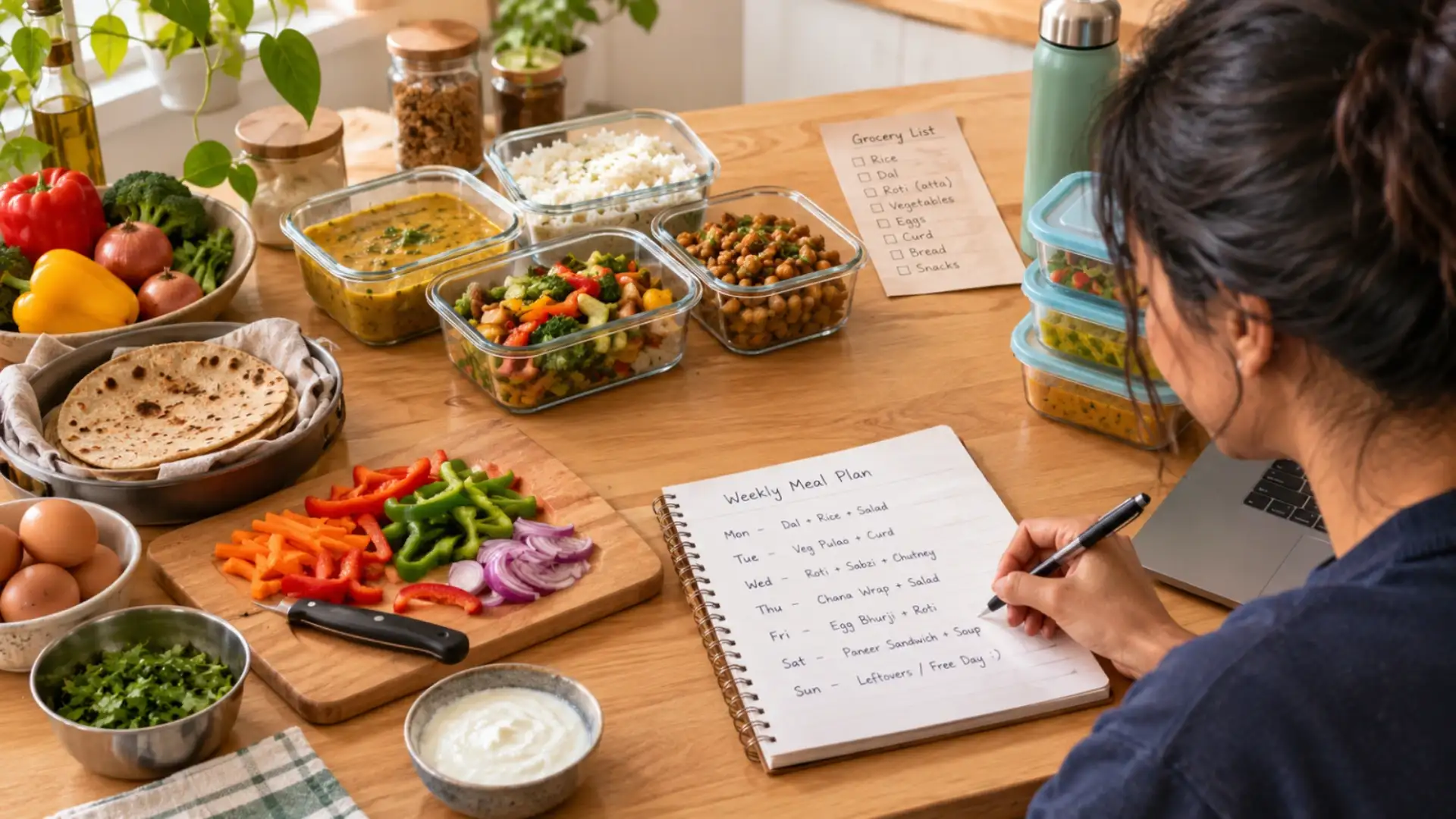
With a little preparation, students and young professionals can put together a week of easy, budget-friendly meals using everyday ingredients. From reusing groceries across different recipes to storing cooked food properly, a few simple habits can make home-cooked lunches more convenient and affordable.
For example, rice, dal, roti, seasonal vegetables, curd and eggs can form the base of several affordable meals. Planning your weekly meals before grocery shopping also helps prevent unnecessary purchases and reduces food waste.
Keep your schedule realistic. If you know you will have a busy day, choose something that takes just a few minutes to assemble rather than planning an elaborate recipe.
For instance, boiled potatoes can be used in sandwiches, aloo parathas or a quick potato sabzi. Cooked chickpeas can become chana chaat one day and a filling for wraps the next. Vegetables such as carrots, capsicum and onions can be added to fried rice, pulao, sandwiches or a simple stir-fry.
Rice and dal are also useful staples for affordable Indian meal planning. Leftover rice can be turned into vegetable fried rice, while extra dal can be paired with roti or used to make a simple dal-based khichdi with rice.
Vegetable pulao, dal and rice, besan chilla, egg bhurji with roti, paneer wraps and vegetable sandwiches are practical options for students and young professionals. Curd rice, lemon rice and simple khichdi can also be useful when you want something filling without spending too much time cooking.
You can prepare certain ingredients in advance, such as chopping vegetables, boiling chickpeas or making a basic chutney. This reduces the amount of work required when you are ready to eat.
Divide larger portions into individual servings so you can take out only what you need. Label containers with the date, and use refrigerated leftovers within a safe period. As a general food-safety guideline, most cooked leftovers should be used within three to four days when refrigerated properly.
If you are preparing meals for later in the week, freezing suitable portions can help. Reheat food thoroughly before eating, and avoid repeatedly cooling and reheating the same portion.
With a little preparation, students and young professionals can put together a week of easy, budget-friendly meals using everyday ingredients. From reusing groceries across different recipes to storing cooked food properly, a few simple habits can make home-cooked lunches more convenient and affordable.
Start With a Simple Weekly Meal Plan
You do not need to plan every breakfast, lunch and dinner in detail. Start by deciding what you would like to eat for lunch on five working days. Choose meals that use ingredients you already have at home and add only the essentials to your shopping list.For example, rice, dal, roti, seasonal vegetables, curd and eggs can form the base of several affordable meals. Planning your weekly meals before grocery shopping also helps prevent unnecessary purchases and reduces food waste.
Keep your schedule realistic. If you know you will have a busy day, choose something that takes just a few minutes to assemble rather than planning an elaborate recipe.
You may also like
- Can eating blueberries every day improve your mood? A study in older adults found symptoms of depression declined significantly in people who consume the berries regularly
- In 1608-09, a Mughal calligrapher signed the reverse of a courtier's portrait; after entering a British baron's collection by 1937, the album page sold in London for £571,500 in 2026, nearly five times its top estimate
- Bruce Springsteen's youngest son, Sam, grew up with a rock legend for a dad, but followed a different dream and became a Jersey City firefighter
- LPG Gas Saving Tips: Gas cylinder will last for 15 days longer, stop these mistakes in the kitchen today
- How To Clean Steel Utensils: Old steel utensils will shine like new; just apply this one household item.
Reuse Ingredients Without Eating the Same Thing Every Day
One of the easiest ways to save money on groceries is to use the same ingredients in different ways. Buying separate ingredients for every meal can increase your expenses, especially when you are cooking for one or two people.For instance, boiled potatoes can be used in sandwiches, aloo parathas or a quick potato sabzi. Cooked chickpeas can become chana chaat one day and a filling for wraps the next. Vegetables such as carrots, capsicum and onions can be added to fried rice, pulao, sandwiches or a simple stir-fry.
Rice and dal are also useful staples for affordable Indian meal planning. Leftover rice can be turned into vegetable fried rice, while extra dal can be paired with roti or used to make a simple dal-based khichdi with rice.
Try Quick Indian Meals for Busy Days
Meal planning works best when the recipes are easy enough to follow even after a tiring day. You do not need complicated recipes or expensive ingredients to prepare a satisfying lunch.Vegetable pulao, dal and rice, besan chilla, egg bhurji with roti, paneer wraps and vegetable sandwiches are practical options for students and young professionals. Curd rice, lemon rice and simple khichdi can also be useful when you want something filling without spending too much time cooking.
You can prepare certain ingredients in advance, such as chopping vegetables, boiling chickpeas or making a basic chutney. This reduces the amount of work required when you are ready to eat.
Store Food Properly to Avoid Wastage
Cooking in advance saves time only when the food stays fresh. Allow cooked food to stop steaming heavily, then refrigerate it promptly in clean, covered containers. Avoid leaving perishable food at room temperature for long periods.Divide larger portions into individual servings so you can take out only what you need. Label containers with the date, and use refrigerated leftovers within a safe period. As a general food-safety guideline, most cooked leftovers should be used within three to four days when refrigerated properly.
If you are preparing meals for later in the week, freezing suitable portions can help. Reheat food thoroughly before eating, and avoid repeatedly cooling and reheating the same portion.






Loving Newspoint? Download the app now
