
Easy Everyday Indian Breakfasts You Can Prep The Night Before For Busy Mornings

Morning routines in many Indian households can often feel rushed and chaotic. Between office schedules, school timings, commuting and household responsibilities, breakfast is sometimes either skipped entirely or replaced with packaged snacks and sugary beverages. However, breakfast remains one of the most important meals of the day, providing the energy needed for focus, productivity and physical wellbeing.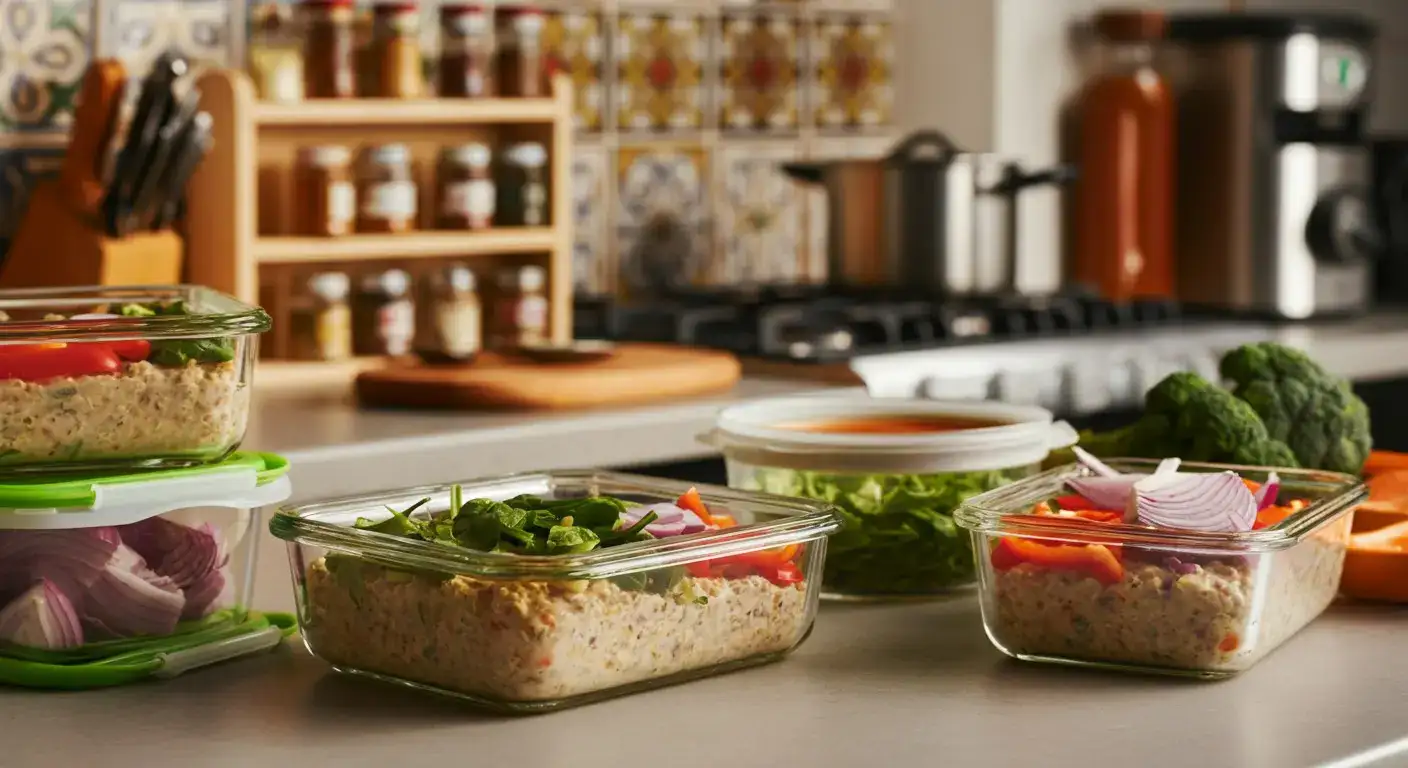
Preparing breakfast ingredients the night before can make mornings smoother and less stressful. Indian cuisine already offers several dishes that can be partially or fully prepared in advance without compromising freshness or taste. With a little planning, families can enjoy homemade, nutritious breakfasts even on busy weekdays.
Night-before meal preparation not only saves time but also encourages healthier eating habits by reducing dependence on fast food or instant options.
In Indian homes, breakfast often involves multiple cooking steps, chopping vegetables or preparing fresh batter. Doing some of this work at night can reduce morning pressure significantly.
Make-ahead breakfasts also help avoid rushed decisions that often result in oily snacks or processed foods. When meals are already planned, it becomes easier to maintain balanced nutrition and portion control.
For working professionals, students and parents, this small habit can improve both convenience and consistency in daily eating routines.
Ingredients such as banana, almonds, raisins, cardamom or chia seeds can be added before refrigeration. Some people also use saffron or dates for natural sweetness instead of refined sugar.
In the morning, the oats are ready to eat directly from the refrigerator or after light warming. This breakfast option provides fibre, protein and slow-release energy, making it suitable for busy schedules.
Overnight oats are especially useful during summer because they feel light and refreshing while remaining filling.
Preparing the batter ahead saves considerable time during weekday mornings. Vegetables for accompaniments such as coconut chutney or sambar can also be chopped in advance.
Mini vegetable uttapams or quick dosas become much easier to prepare when the batter is already ready to use. Idlis can even be steamed in batches and stored for short periods for reheating later.
Fermented foods like idli and dosa also support digestion and provide a balanced breakfast option for many families.
Vegetables such as onions, carrots, peas and chillies can be chopped and stored in airtight containers. Peanuts may also be roasted in advance.
Some families lightly rinse and drain poha beforehand so that morning cooking requires only quick tempering and mixing. This method reduces preparation time significantly while still delivering a fresh homemade meal.
Poha remains popular because it is light, easy to digest and adaptable to different regional styles.
The dough can be kneaded and stored properly overnight, allowing quick rolling and cooking in the morning. Some families even partially cook parathas and finish reheating them during breakfast.
Pairing parathas with curd or homemade chutney creates a satisfying meal that keeps people full for longer hours.
Advance preparation is especially useful for school-going children and working adults who require substantial breakfasts before long days.
Morning cooking then takes only a few minutes. Additional ingredients such as curry leaves, ginger and mustard seeds can also be measured earlier to simplify the process further.
Adding vegetables improves both nutrition and flavour while making the breakfast more filling and balanced.
People who eat balanced breakfasts regularly often experience better concentration, improved energy levels and reduced overeating later in the day.
Meal preparation may also reduce food waste because ingredients are planned and used more efficiently. Families become more organised and less likely to order outside food unnecessarily.
For children, regular homemade breakfasts support healthier long-term eating habits and better nutritional intake.
Ingredients should not be left outside overnight in warm weather, especially during Indian summers. Freshness should always be checked before cooking or serving.
Using separate containers for different ingredients can also help maintain texture and flavour.
Breakfast preparation does not need to be complicated to be effective. Small night-before habits can make a major difference in creating healthier and more organised mornings. Indian kitchens already include several naturally suitable make-ahead breakfast options that combine nutrition, convenience and traditional flavours. By planning ahead and using fresh ingredients wisely, families can enjoy homemade breakfasts consistently even during the busiest weekdays.
Preparing breakfast ingredients the night before can make mornings smoother and less stressful. Indian cuisine already offers several dishes that can be partially or fully prepared in advance without compromising freshness or taste. With a little planning, families can enjoy homemade, nutritious breakfasts even on busy weekdays.
Night-before meal preparation not only saves time but also encourages healthier eating habits by reducing dependence on fast food or instant options.
Why Make-Ahead Breakfasts Are Becoming Popular
Modern urban lifestyles have increased interest in meal preparation techniques that reduce cooking stress during weekdays. Preparing ingredients in advance allows people to maintain healthier eating patterns despite busy schedules.In Indian homes, breakfast often involves multiple cooking steps, chopping vegetables or preparing fresh batter. Doing some of this work at night can reduce morning pressure significantly.
Make-ahead breakfasts also help avoid rushed decisions that often result in oily snacks or processed foods. When meals are already planned, it becomes easier to maintain balanced nutrition and portion control.
For working professionals, students and parents, this small habit can improve both convenience and consistency in daily eating routines.
Overnight Oats With Indian Flavours
Overnight oats have become increasingly popular because they require no morning cooking. Oats soaked overnight in milk or curd soften naturally and can be customised with Indian flavours.Ingredients such as banana, almonds, raisins, cardamom or chia seeds can be added before refrigeration. Some people also use saffron or dates for natural sweetness instead of refined sugar.
In the morning, the oats are ready to eat directly from the refrigerator or after light warming. This breakfast option provides fibre, protein and slow-release energy, making it suitable for busy schedules.
Overnight oats are especially useful during summer because they feel light and refreshing while remaining filling.
Idli And Dosa Batter Preparation
Traditional South Indian breakfasts already support advance preparation. Idli and dosa batter can be fermented overnight and refrigerated for use over several days.Preparing the batter ahead saves considerable time during weekday mornings. Vegetables for accompaniments such as coconut chutney or sambar can also be chopped in advance.
Mini vegetable uttapams or quick dosas become much easier to prepare when the batter is already ready to use. Idlis can even be steamed in batches and stored for short periods for reheating later.
Fermented foods like idli and dosa also support digestion and provide a balanced breakfast option for many families.
Poha Preparation Made Easier
Poha is one of the quickest Indian breakfast dishes, but even this can become faster with night-before preparation.Vegetables such as onions, carrots, peas and chillies can be chopped and stored in airtight containers. Peanuts may also be roasted in advance.
Some families lightly rinse and drain poha beforehand so that morning cooking requires only quick tempering and mixing. This method reduces preparation time significantly while still delivering a fresh homemade meal.
Poha remains popular because it is light, easy to digest and adaptable to different regional styles.
Stuffed Parathas Prepared In Advance
Stuffed parathas can also be partially prepared the previous night. Fillings made from potatoes, paneer, cauliflower or mixed vegetables may be cooked and refrigerated ahead of time.The dough can be kneaded and stored properly overnight, allowing quick rolling and cooking in the morning. Some families even partially cook parathas and finish reheating them during breakfast.
Pairing parathas with curd or homemade chutney creates a satisfying meal that keeps people full for longer hours.
Advance preparation is especially useful for school-going children and working adults who require substantial breakfasts before long days.
Upma And Vegetable Prep
Upma becomes much easier to prepare when ingredients are organised in advance. Vegetables can be chopped and refrigerated, while semolina may be dry roasted beforehand.You may also like
- Drinking Packaged Juice Regularly? Here Are the Health Risks You Should Know
- What Is Zero FIR? Know This Important Legal Right That Can Help in Emergencies
- What Happens If You Don't Sleep Enough? Health Problems Linked to Lack of Sleep
- These Common Refrigerator Mistakes Can Reduce Its Lifespan and Increase Electricity Bills
- PhonePe Launches Smart PoD: QR, Card and Tap Payments Now Easier for Merchants
Morning cooking then takes only a few minutes. Additional ingredients such as curry leaves, ginger and mustard seeds can also be measured earlier to simplify the process further.
Adding vegetables improves both nutrition and flavour while making the breakfast more filling and balanced.
Benefits Of Planning Breakfast Ahead
Preparing breakfast in advance helps reduce stress during busy mornings. It also encourages more mindful eating instead of relying on unhealthy convenience foods.People who eat balanced breakfasts regularly often experience better concentration, improved energy levels and reduced overeating later in the day.
Meal preparation may also reduce food waste because ingredients are planned and used more efficiently. Families become more organised and less likely to order outside food unnecessarily.
For children, regular homemade breakfasts support healthier long-term eating habits and better nutritional intake.
Storage And Food Safety Tips
Proper storage is essential when preparing food in advance. Batter, chopped vegetables and cooked fillings should be refrigerated in clean airtight containers.Ingredients should not be left outside overnight in warm weather, especially during Indian summers. Freshness should always be checked before cooking or serving.
Using separate containers for different ingredients can also help maintain texture and flavour.
Breakfast preparation does not need to be complicated to be effective. Small night-before habits can make a major difference in creating healthier and more organised mornings. Indian kitchens already include several naturally suitable make-ahead breakfast options that combine nutrition, convenience and traditional flavours. By planning ahead and using fresh ingredients wisely, families can enjoy homemade breakfasts consistently even during the busiest weekdays.






More from our partners


Loving Newspoint? Download the app now
