
8 Easy Ways to Make Your Home More Energy-Efficient

Reducing electricity consumption does not always require expensive appliances or major changes around the house. Simple everyday habits, such as switching off unused lights, making better use of natural sunlight and maintaining electrical appliances, can help lower your electricity bills.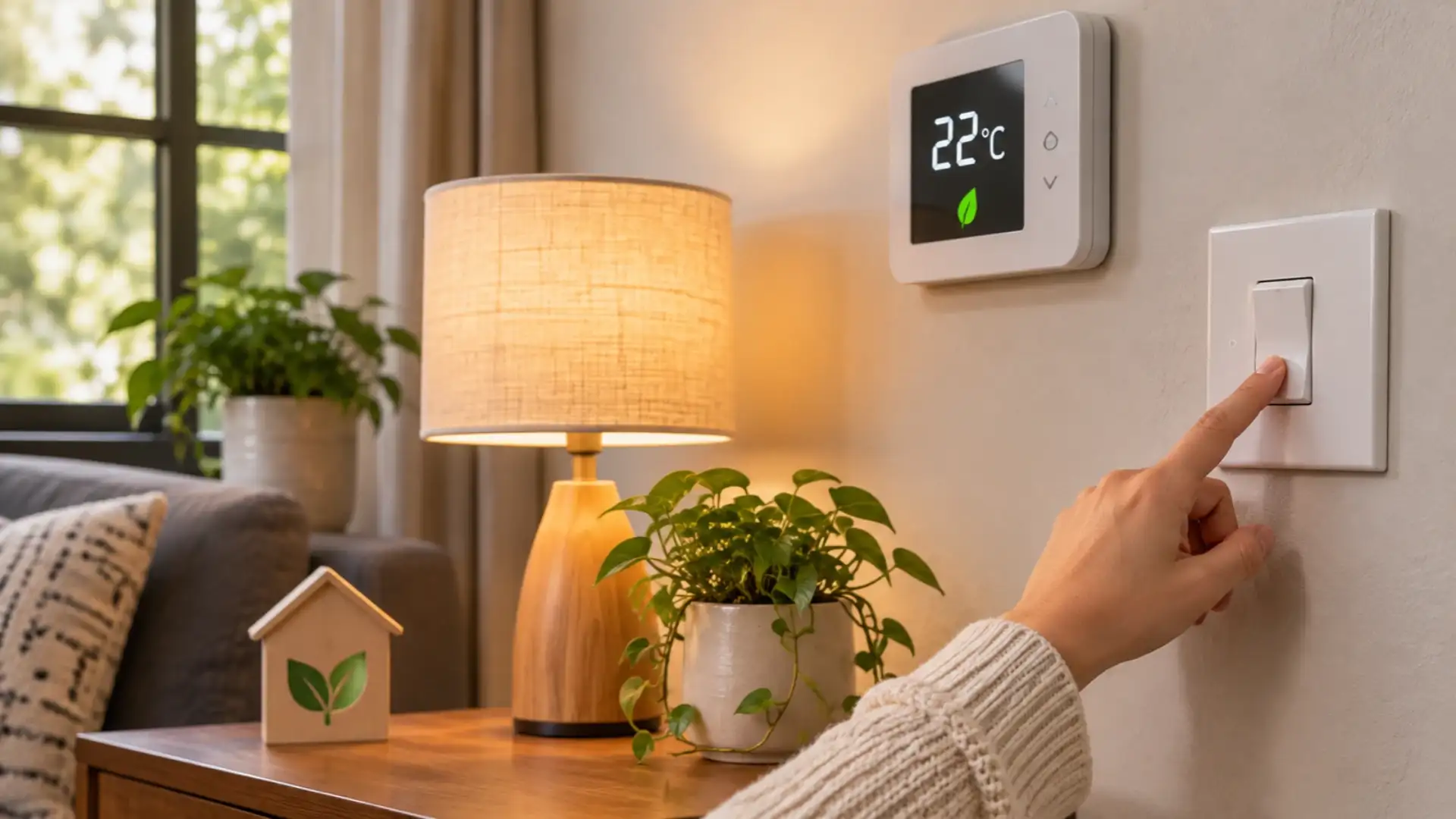
Making your home more energy-efficient is also a practical way to reduce unnecessary energy consumption. Here are eight easy ways to save electricity and make your home more energy-efficient.
You can also use light-coloured curtains and keep windows clean to allow more sunlight inside. If possible, arrange your study table or workspace near a window so you do not need artificial lighting throughout the day.
LED bulbs use considerably less electricity and generally last much longer. You can start by replacing the bulbs in rooms where lights are used most frequently, such as the living room, kitchen and bedroom.
Make it a habit to unplug chargers, televisions, gaming consoles and other appliances when they are not being used for extended periods. You can also use switchable power strips to turn off multiple devices conveniently.
Clean or replace AC filters according to the manufacturer's instructions, especially during periods of frequent use. Regular servicing can also help maintain cooling efficiency and identify potential problems before they become expensive repairs.
Choose these settings whenever they are suitable for your needs. For example, use the washing machine's appropriate eco cycle and avoid unnecessarily long or high-temperature wash programmes.
You can also use ceiling fans along with the AC to improve air circulation. Keep doors and windows closed while the air conditioner is running to prevent cool air from escaping.
However, avoid overloading them, as this can affect cleaning performance and put additional strain on the machine. Follow the manufacturer's recommended load capacity for better efficiency.
Use weatherstripping, door seals or suitable gap fillers to reduce unwanted airflow. Curtains and blinds can also help limit direct sunlight during hot afternoons, keeping indoor spaces more comfortable.
Making your home more energy-efficient is also a practical way to reduce unnecessary energy consumption. Here are eight easy ways to save electricity and make your home more energy-efficient.
1. Make Better Use of Natural Light
Keeping lights switched on during the day can increase electricity consumption unnecessarily. Open your curtains and blinds to let natural sunlight brighten your rooms.You can also use light-coloured curtains and keep windows clean to allow more sunlight inside. If possible, arrange your study table or workspace near a window so you do not need artificial lighting throughout the day.
2. Switch to LED Bulbs
Traditional incandescent bulbs consume more electricity and produce more heat than LED alternatives. Replacing them with LED bulbs is one of the simplest ways to make your home energy-efficient.LED bulbs use considerably less electricity and generally last much longer. You can start by replacing the bulbs in rooms where lights are used most frequently, such as the living room, kitchen and bedroom.
3. Unplug Appliances When Not in Use
Some electronic devices continue to consume electricity even when they are switched off but remain plugged into a power outlet. This is commonly known as standby power consumption.Make it a habit to unplug chargers, televisions, gaming consoles and other appliances when they are not being used for extended periods. You can also use switchable power strips to turn off multiple devices conveniently.
4. Clean and Maintain Your AC Filters
Air conditioners can consume more energy when their filters are clogged with dust and dirt. Restricted airflow makes the appliance work harder to cool the room.You may also like
- Jensen Huang and his iconic leather jacket: What psychology says about older men and dressing like a youngster
- Shifting House With a Cat: How to Move Without Breaking Their World
- Top Bridal Hairstyle Inspirations for 2026 Weddings
- Hiring an Elephant for a Baraat: What Indian Wildlife Law Actually Allows
- Coming of age in a polycrisis: Why young adults are faring worse than their parents in India
Clean or replace AC filters according to the manufacturer's instructions, especially during periods of frequent use. Regular servicing can also help maintain cooling efficiency and identify potential problems before they become expensive repairs.
5. Use Energy-Efficient Settings on Appliances
Many modern appliances come with settings designed to reduce electricity consumption. Washing machines, dishwashers and air conditioners often have eco or energy-saving modes that optimise their operation.Choose these settings whenever they are suitable for your needs. For example, use the washing machine's appropriate eco cycle and avoid unnecessarily long or high-temperature wash programmes.
6. Set Your Air Conditioner to a Comfortable Temperature
Running an air conditioner at an extremely low temperature can increase electricity consumption. Instead, choose a comfortable setting and avoid making the room unnecessarily cold.You can also use ceiling fans along with the AC to improve air circulation. Keep doors and windows closed while the air conditioner is running to prevent cool air from escaping.
7. Avoid Running Appliances Half-Empty
Using washing machines and dishwashers for very small loads can lead to unnecessary water and electricity consumption. Whenever practical, wait until you have a suitable full load before running these appliances.However, avoid overloading them, as this can affect cleaning performance and put additional strain on the machine. Follow the manufacturer's recommended load capacity for better efficiency.
8. Improve Insulation and Seal Air Leaks
Gaps around windows and doors can allow cool air to escape during summer and warm air to escape during winter. This makes cooling and heating systems work harder to maintain indoor temperatures.Use weatherstripping, door seals or suitable gap fillers to reduce unwanted airflow. Curtains and blinds can also help limit direct sunlight during hot afternoons, keeping indoor spaces more comfortable.
Final Thoughts
Making your home more energy-efficient does not have to be complicated. Small steps such as using LED bulbs, unplugging unused appliances, maintaining AC filters and choosing energy-saving settings can make a difference over time. By building these habits into your daily routine, you can reduce unnecessary electricity consumption, manage household expenses and make better use of energy.





Loving Newspoint? Download the app now
