
Eat Bananas Every Day? What This Everyday Fruit Offers and How to Include It in Your Diet

Bananas are easy to carry, widely available and simple to eat, which makes them a familiar choice in lunchboxes and quick breakfasts. Their natural sweetness can flavour porridge, smoothies and yoghurt without needing much added sugar. Still, no single fruit supplies every nutrient the body needs for good health overall.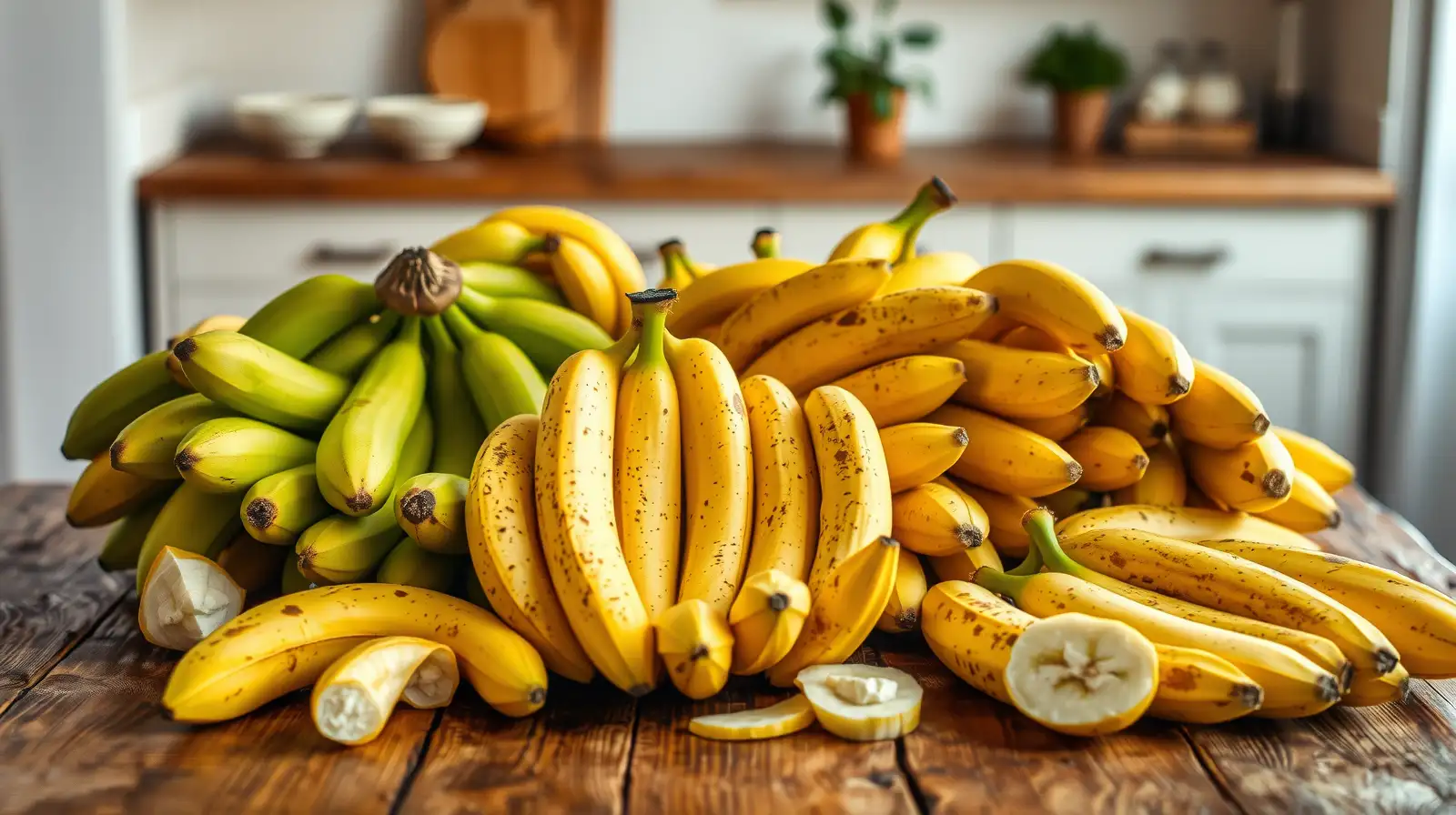
Bananas provide carbohydrates for energy, along with fibre and potassium. The amount of fibre and the texture change as a banana ripens, so people may prefer firmer or softer fruit for uses. Enjoying bananas as part of a varied diet is more useful than treating them as a miracle food.
Potassium is important, but bananas are not its only dietary source. Potatoes, beans, lentils and several other fruits and vegetables also contribute to potassium intake. A varied diet is therefore a more reliable approach to meeting nutritional needs than depending heavily on one food.
Neither stage needs to be treated as universally better. Firmer bananas may suit people who prefer a less sweet taste, while ripe ones work well in baking and smoothies. Individual digestive responses can differ, so choose the ripeness that suits your preferences and how you plan to use the fruit.
Very ripe bananas can be mashed into homemade muffins or pancakes, helping reduce the need for added sugar. However, ingredients such as flour, oils and toppings still influence the overall nutritional value of a recipe.
Store unripe bananas at room temperature until they reach your preferred ripeness. Once ripe, refrigerating them can slow further ripening, although the peel may darken. Anyone managing a medical condition that requires specific dietary advice should follow guidance from a qualified healthcare professional. For most people, bananas are best enjoyed as one convenient part of a varied diet.
Bananas provide carbohydrates for energy, along with fibre and potassium. The amount of fibre and the texture change as a banana ripens, so people may prefer firmer or softer fruit for uses. Enjoying bananas as part of a varied diet is more useful than treating them as a miracle food.
What nutrients do bananas provide?
Bananas contain carbohydrates, which the body uses for energy. They also provide potassium, a mineral involved in normal muscle function, nerve signalling and fluid balance. The fruit supplies some fibre as well, although the amount varies with size and ripeness.Potassium is important, but bananas are not its only dietary source. Potatoes, beans, lentils and several other fruits and vegetables also contribute to potassium intake. A varied diet is therefore a more reliable approach to meeting nutritional needs than depending heavily on one food.
Does ripeness make a difference?
An unripe banana is generally firmer and contains more resistant starch than a ripe one. As the fruit matures, some of that starch changes into sugars, making the banana softer and sweeter. This explains why a green-tipped banana can taste noticeably different from one with brown spots.Neither stage needs to be treated as universally better. Firmer bananas may suit people who prefer a less sweet taste, while ripe ones work well in baking and smoothies. Individual digestive responses can differ, so choose the ripeness that suits your preferences and how you plan to use the fruit.
Easy ways to enjoy bananas
Slice a banana over porridge, mix it into plain yoghurt or pair it with wholemeal toast and a thin spread of nut butter. It can also add sweetness and thickness to a smoothie without requiring sugar syrup. For a quick snack, combine it with a small handful of nuts.Very ripe bananas can be mashed into homemade muffins or pancakes, helping reduce the need for added sugar. However, ingredients such as flour, oils and toppings still influence the overall nutritional value of a recipe.
Store unripe bananas at room temperature until they reach your preferred ripeness. Once ripe, refrigerating them can slow further ripening, although the peel may darken. Anyone managing a medical condition that requires specific dietary advice should follow guidance from a qualified healthcare professional. For most people, bananas are best enjoyed as one convenient part of a varied diet.
Next Story