
Why Indians Traditionally Ate Food on Banana Leaves

Before modern plates became a regular part of dining, many Indian households used natural materials to serve food. Among them, banana leaves held a special place. In several parts of India, eating a meal on a banana leaf was not simply a practical habit. It was connected to culture, hospitality, festivals and traditional ideas about food.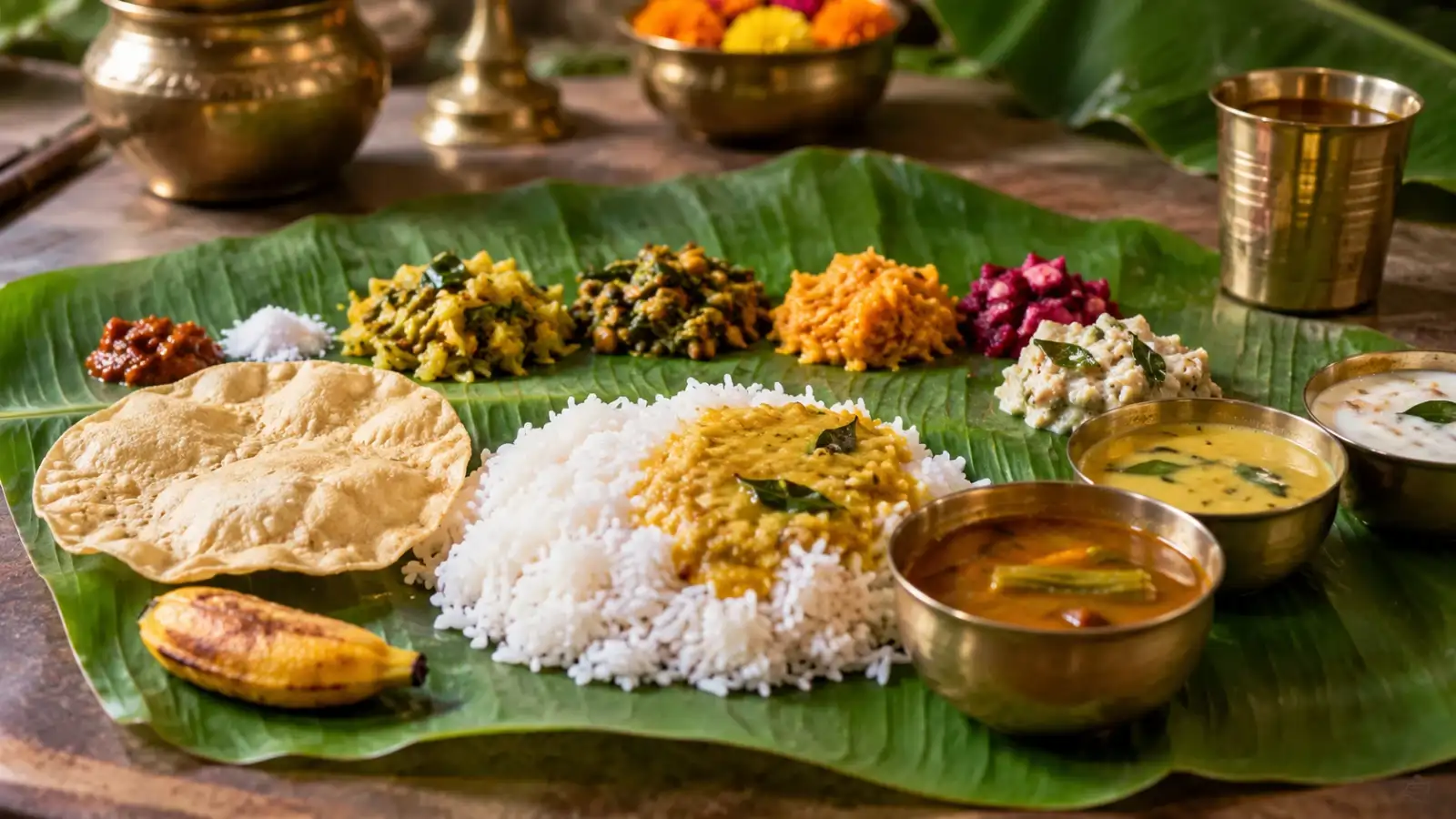
Today, banana leaf meals are still common during weddings, religious ceremonies and traditional feasts. However, the practice has become less familiar in many urban households, where steel, ceramic and disposable plates are more convenient.
Despite this change, eating on banana leaves remains an important part of India's culinary heritage.
In states such as Kerala, Tamil Nadu, Karnataka and Andhra Pradesh, banana leaf meals are closely associated with festivals, weddings and community gatherings. A traditional feast served on a banana leaf is often considered a sign of warmth and respect towards guests.
The practice is not limited to one region. Different communities have developed their own ways of arranging food, folding leaves and serving meals, making banana leaf dining a diverse cultural tradition.
The leaves are naturally broad, flexible and water-resistant. This makes them suitable for holding rice, gravies and other foods without immediately becoming soggy.
In traditional settings, fresh leaves could be collected, cleaned and used for a single meal. After use, they could decompose more easily than many modern disposable plates.
This made banana leaves a convenient option in communities where locally available materials were an important part of everyday life.
In a traditional South Indian feast, items such as pickles, salt, vegetables, sweets and other accompaniments may be served first. Rice and different curries are then added as the meal progresses.
This arrangement is not merely decorative. It reflects the structure of the meal and allows diners to enjoy different flavours in a planned sequence.
During important occasions, serving food on a banana leaf can also symbolise simplicity, generosity and respect for guests.
In some traditions, serving food on a natural leaf is associated with purity and a respectful approach to the meal. The banana plant itself also has cultural significance in several parts of India and is commonly used in decorations during auspicious occasions.
The exact beliefs and customs differ between communities. However, the use of banana leaves often reflects the connection between food, nature and ritual.
However, claims that eating on banana leaves automatically improves health should be treated carefully. There is limited evidence to prove that a regular banana leaf meal provides major health advantages compared with food served on a clean, suitable plate.
The more reliable benefit is that banana leaves can be useful for serving food when they are fresh, clean and handled properly.
They should always be washed appropriately, and leaves exposed to dirt, chemicals or other contaminants should not be used.
A banana leaf is generally used for one meal and can break down naturally under suitable conditions. This makes it different from many single-use plastic products.
However, banana leaves are not automatically the most sustainable option in every situation. Their environmental impact depends on how they are grown, transported, cleaned and disposed of.
In places where banana leaves are locally available, their use can be a practical way to reduce dependence on certain disposable serving materials.
Steel plates, ceramic dishes and disposable products are often easier to store and use, particularly in homes where space and time are limited.
There is also a generational shift in eating habits. Younger people may associate banana leaf meals mainly with weddings, festivals or restaurants rather than everyday dining.
Even so, the tradition has not disappeared. Restaurants, cultural organisations and families continue to preserve it through traditional feasts and special occasions.
In Kerala, the elaborate sadya remains closely associated with celebrations such as Onam and weddings. In Tamil Nadu and Karnataka, banana leaf meals are still served during important social and religious occasions.
The practice has also attracted attention from people interested in regional food culture, traditional lifestyles and alternatives to disposable tableware.
Rather than being viewed only as an old custom, banana leaf dining is increasingly being appreciated as an experience that connects food with history and community.
The practice also reminds us that dining was once closely connected to local surroundings. The leaf, the food, the occasion and the people sharing the meal were all part of the same experience.
Although modern tableware has made everyday dining more convenient, banana leaf meals continue to hold cultural importance across India. Preserving this tradition does not necessarily mean abandoning modern habits. It can simply mean recognising its value and keeping it alive during festivals, family gatherings and special occasions.
Today, banana leaf meals are still common during weddings, religious ceremonies and traditional feasts. However, the practice has become less familiar in many urban households, where steel, ceramic and disposable plates are more convenient.
Despite this change, eating on banana leaves remains an important part of India's culinary heritage.
1. A Tradition Rooted in Indian Food Culture
Banana leaves have been used for generations in parts of southern, eastern and northeastern India. Their broad shape makes them useful for serving rice, curries, vegetables, sweets and other dishes together.In states such as Kerala, Tamil Nadu, Karnataka and Andhra Pradesh, banana leaf meals are closely associated with festivals, weddings and community gatherings. A traditional feast served on a banana leaf is often considered a sign of warmth and respect towards guests.
The practice is not limited to one region. Different communities have developed their own ways of arranging food, folding leaves and serving meals, making banana leaf dining a diverse cultural tradition.
2. Why Banana Leaves Were Used as Plates
The use of banana leaves was also influenced by practicality. Banana plants grow abundantly in many warm and humid parts of India, making their leaves easily available in several regions.The leaves are naturally broad, flexible and water-resistant. This makes them suitable for holding rice, gravies and other foods without immediately becoming soggy.
In traditional settings, fresh leaves could be collected, cleaned and used for a single meal. After use, they could decompose more easily than many modern disposable plates.
This made banana leaves a convenient option in communities where locally available materials were an important part of everyday life.
3. The Meaning Behind a Traditional Banana Leaf Meal
A banana leaf meal often follows a particular order. The arrangement can vary by region, but dishes are generally placed in specific areas of the leaf.In a traditional South Indian feast, items such as pickles, salt, vegetables, sweets and other accompaniments may be served first. Rice and different curries are then added as the meal progresses.
This arrangement is not merely decorative. It reflects the structure of the meal and allows diners to enjoy different flavours in a planned sequence.
During important occasions, serving food on a banana leaf can also symbolise simplicity, generosity and respect for guests.
4. Banana Leaves and Religious Ceremonies
Food plays an important role in many Indian religious and cultural ceremonies. Banana leaves are often used during temple meals, pujas, festivals and community feasts.In some traditions, serving food on a natural leaf is associated with purity and a respectful approach to the meal. The banana plant itself also has cultural significance in several parts of India and is commonly used in decorations during auspicious occasions.
The exact beliefs and customs differ between communities. However, the use of banana leaves often reflects the connection between food, nature and ritual.
5. Does Eating on Banana Leaves Offer Health Benefits?
Banana leaves contain naturally occurring plant compounds, including polyphenols. Some research has examined the antioxidant properties of these compounds, particularly when food comes into contact with the leaf.However, claims that eating on banana leaves automatically improves health should be treated carefully. There is limited evidence to prove that a regular banana leaf meal provides major health advantages compared with food served on a clean, suitable plate.
The more reliable benefit is that banana leaves can be useful for serving food when they are fresh, clean and handled properly.
They should always be washed appropriately, and leaves exposed to dirt, chemicals or other contaminants should not be used.
6. The Environmental Appeal of Banana Leaf Dining
One reason banana leaf dining is receiving renewed attention is its connection with low-waste traditions.A banana leaf is generally used for one meal and can break down naturally under suitable conditions. This makes it different from many single-use plastic products.
However, banana leaves are not automatically the most sustainable option in every situation. Their environmental impact depends on how they are grown, transported, cleaned and disposed of.
In places where banana leaves are locally available, their use can be a practical way to reduce dependence on certain disposable serving materials.
7. Why the Tradition Is Disappearing
Urbanisation, changing lifestyles and the growing use of modern tableware have reduced the frequency of banana leaf meals in some households.Steel plates, ceramic dishes and disposable products are often easier to store and use, particularly in homes where space and time are limited.
There is also a generational shift in eating habits. Younger people may associate banana leaf meals mainly with weddings, festivals or restaurants rather than everyday dining.
Even so, the tradition has not disappeared. Restaurants, cultural organisations and families continue to preserve it through traditional feasts and special occasions.
8. Banana Leaf Meals in Modern India
Today, banana leaf dining is experiencing a renewed interest. Traditional restaurants often serve regional meals on leaves to recreate the atmosphere of a festive feast.In Kerala, the elaborate sadya remains closely associated with celebrations such as Onam and weddings. In Tamil Nadu and Karnataka, banana leaf meals are still served during important social and religious occasions.
The practice has also attracted attention from people interested in regional food culture, traditional lifestyles and alternatives to disposable tableware.
Rather than being viewed only as an old custom, banana leaf dining is increasingly being appreciated as an experience that connects food with history and community.
Preserving a Simple but Meaningful Tradition
Eating on banana leaves may appear to be a small detail in India's vast culinary history, but it reflects several important values. It shows how communities used natural materials, organised traditional meals and expressed hospitality through food.The practice also reminds us that dining was once closely connected to local surroundings. The leaf, the food, the occasion and the people sharing the meal were all part of the same experience.
Although modern tableware has made everyday dining more convenient, banana leaf meals continue to hold cultural importance across India. Preserving this tradition does not necessarily mean abandoning modern habits. It can simply mean recognising its value and keeping it alive during festivals, family gatherings and special occasions.
Next Story