
Ebola outbreak in Congo and Uganda declared a health emergency, at least 100 dead: The timeline explained


The world’s watching, worried again, as Ebola is spreading fast in Congo and Uganda. The World Health Organization (WHO) has already called it a global health emergency. What started as mystery illnesses and a handful of unexplained deaths in eastern Congo has exploded into a major crisis: hundreds of suspected infections, cross-border movement, strained hospitals, and fears it could get even worse.
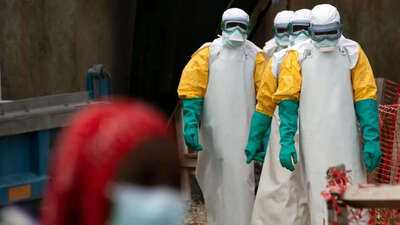
The concerning part is that this isn’t the usual Ebola. Per AP News, it’s the Bundibugyo strain , which hardly anyone has dealt with, and there’s no approved vaccine or treatment. Already, it’s killed at least 100 people. That’s just the official number; experts say it’s probably much higher because lots of cases go unreported. WHO believes the virus was lurking for weeks before anyone realized what was happening.
This emergency isn’t just about Ebola’s deadliness. It’s happening in a region torn apart by armed conflict, displacement, weak healthcare, and lots of people moving across borders.
Let’s take a chronological look at how it all went down.
Late April 2026: First deaths and missed warning signsIt probably started in late April, in Congo’s Ituri province near Uganda and South Sudan. One of the earliest known cases was a healthcare worker in Bunia who died around April 24–27. The body went to Mongbwalu, and it’s suspected that Ebola spread during the funeral contact. Nobody realized it was Ebola at first. And that delay proved to be quite costly. Because the Bundibugyo strain is rare, regular tests didn’t catch it right away. Several patients died before labs confirmed the outbreak.
Early May: The cases pile upSuddenly, clusters popped up in different health zones. Doctors saw the classic symptoms: fever, vomiting, diarrhea, weakness, internal bleeding, and fast decline. Rumors raced online, even before health officials made any announcements. Containment went south fast. Some infected people traveled between towns before anyone diagnosed them, and lots of families avoided hospitals out of fear. Several healthcare workers died while treating patients, which got everyone even more worried. WHO later confirmed at least four were lost to suspected Ebola.
Mid-May: Uganda reports casesThings took a turn for the worse around May 15–16 when Uganda confirmed two cases in Kampala, both travelers from Congo. One of them died. That spread made people panic. Uganda knows Ebola from past experience, but with Bundibugyo being so rare, nobody had the right vaccine or treatment. By then, the suspected case count was shooting up.
May 17: WHO steps upOn May 17, the WHO called it a Public Health Emergency of International Concern, which is the biggest global alert. Why? Here’s what tipped the scales:
May 18–19: Death toll tops 100By May 18 and 19, deaths passed the grim milestone of 100. The outbreak was now affecting big urban centers, especially Goma, a densely packed city with links to neighboring countries. That especially set off alarms. Goma connects to so many regional routes, and a surge there could mean a much wider spread. The Africa CDC said suspected cases were over 300 by that weekend.
Why is this outbreak so dangerous?Ebola spreads directly through contact with bodily fluids. Symptoms come on with fever, pain, sore throat, then vomiting, diarrhea, internal bleeding, and organ failure.
But this crisis feels worse for several reasons:
First of all, the Bundibugyo strain is rare, with no approved vaccine or targeted treatment. Then, it’s hitting eastern Congo, where violence, displacement, and weak health infrastructure make containment almost impossible. And finally, the virus was passing silently for weeks. Transmission chains could be much bigger than anyone realizes.
WHO says this isn’t technically a pandemic. Still, they’re warning countries nearby to step up screening, boost their hospitals, and stay sharp for imported cases.
What happens next depends on how fast the region and the world respond. It could stay contained, or it might blow up into another major health disaster.
The concerning part is that this isn’t the usual Ebola. Per AP News, it’s the Bundibugyo strain , which hardly anyone has dealt with, and there’s no approved vaccine or treatment. Already, it’s killed at least 100 people. That’s just the official number; experts say it’s probably much higher because lots of cases go unreported. WHO believes the virus was lurking for weeks before anyone realized what was happening.
This emergency isn’t just about Ebola’s deadliness. It’s happening in a region torn apart by armed conflict, displacement, weak healthcare, and lots of people moving across borders.
Let’s take a chronological look at how it all went down.
Late April 2026: First deaths and missed warning signsIt probably started in late April, in Congo’s Ituri province near Uganda and South Sudan. One of the earliest known cases was a healthcare worker in Bunia who died around April 24–27. The body went to Mongbwalu, and it’s suspected that Ebola spread during the funeral contact. Nobody realized it was Ebola at first. And that delay proved to be quite costly. Because the Bundibugyo strain is rare, regular tests didn’t catch it right away. Several patients died before labs confirmed the outbreak.
Early May: The cases pile upSuddenly, clusters popped up in different health zones. Doctors saw the classic symptoms: fever, vomiting, diarrhea, weakness, internal bleeding, and fast decline. Rumors raced online, even before health officials made any announcements. Containment went south fast. Some infected people traveled between towns before anyone diagnosed them, and lots of families avoided hospitals out of fear. Several healthcare workers died while treating patients, which got everyone even more worried. WHO later confirmed at least four were lost to suspected Ebola.
Mid-May: Uganda reports casesThings took a turn for the worse around May 15–16 when Uganda confirmed two cases in Kampala, both travelers from Congo. One of them died. That spread made people panic. Uganda knows Ebola from past experience, but with Bundibugyo being so rare, nobody had the right vaccine or treatment. By then, the suspected case count was shooting up.
May 17: WHO steps upOn May 17, the WHO called it a Public Health Emergency of International Concern, which is the biggest global alert. Why? Here’s what tipped the scales:
- Confirmed spread into Uganda
- Rapid rise in suspected cases
- Uncertainty about the true scope
- Ongoing conflict in eastern Congo
- No Bundibugyo-specific vaccine or treatment
May 18–19: Death toll tops 100By May 18 and 19, deaths passed the grim milestone of 100. The outbreak was now affecting big urban centers, especially Goma, a densely packed city with links to neighboring countries. That especially set off alarms. Goma connects to so many regional routes, and a surge there could mean a much wider spread. The Africa CDC said suspected cases were over 300 by that weekend.
Why is this outbreak so dangerous?Ebola spreads directly through contact with bodily fluids. Symptoms come on with fever, pain, sore throat, then vomiting, diarrhea, internal bleeding, and organ failure.
But this crisis feels worse for several reasons:
WHO says this isn’t technically a pandemic. Still, they’re warning countries nearby to step up screening, boost their hospitals, and stay sharp for imported cases.
What happens next depends on how fast the region and the world respond. It could stay contained, or it might blow up into another major health disaster.
Next Story