
Eco-Chic Holi: How to Make Natural Colors for Festive Delight

As the festival of colors, Holi, approaches, many revelers are seeking eco-friendly and safe alternatives to the synthetic colors commonly used during celebrations. Crafting your natural colors at home is not only environmentally friendly but also adds a personal touch to your festivities. Here are some tips and recipes for making natural colors to brighten up your Holi celebrations.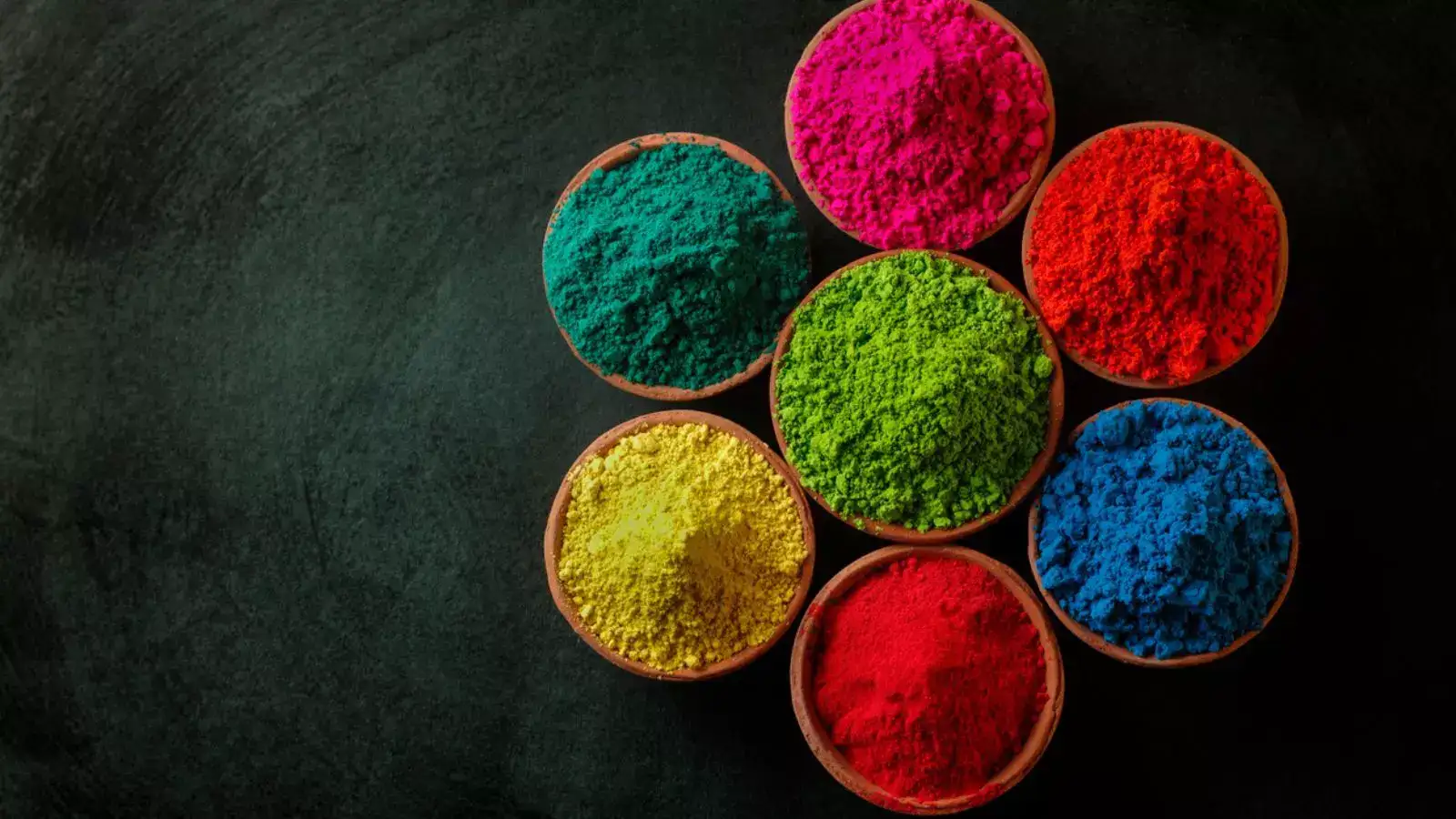
Turmeric Yellow: Turmeric, a staple in Indian kitchens, can be used to create a vibrant yellow color. Simply mix turmeric powder with flour or cornstarch to achieve the desired consistency. This natural yellow is not only safe but also has skin-nourishing properties.
Beetroot Red: Beetroot is renowned for its rich red hue and can be easily turned into a natural color for Holi. Boil beetroot slices in water until the liquid turns deep red. Strain the liquid and allow it to cool. Use it as a liquid color or mix it with flour for a powdered version.
Spinach Green: For a refreshing green color, spinach comes to the rescue. Blend fresh spinach leaves with a little water to create a smooth paste. Strain the paste to obtain a concentrated green liquid. This natural green color is gentle on the skin and safe for all ages.
Blueberry Blue: Blueberries not only make a delicious snack but also produce a lovely blue color perfect for Holi celebrations. Crush fresh or frozen blueberries and strain the juice. Dilute it with water if needed and use it as a liquid color.
Saffron Orange: Saffron, known for its aromatic flavor and rich color, can be used to create a warm orange hue. Soak a few strands of saffron in water overnight to extract the color. Use the infused water as a liquid color or mix it with flour for a powdered version.
Henna Brown: Henna powder, commonly used for temporary tattoos, can also be used to create a natural brown color for Holi. Mix henna powder with water to form a paste of the desired consistency. This color not only adds richness to your celebrations but also nourishes the skin.
When preparing natural colors at home, it's essential to ensure the ingredients are safe and non-toxic. Conduct a patch test on a small area of skin to check for any allergic reactions before using the colors extensively.
Additionally, remember to protect your clothing and surroundings from potential stains by laying down protective sheets or wearing old clothes. While natural colors are generally safer than synthetic ones, it's still advisable to exercise caution during application, especially around sensitive areas such as the eyes.
By opting for homemade natural colors, you not only contribute to a cleaner environment but also promote the age-old tradition of using organic ingredients in celebrations. So, this Holi, unleash your creativity and spread joy with colors that are as pure as your intentions.
Turmeric Yellow: Turmeric, a staple in Indian kitchens, can be used to create a vibrant yellow color. Simply mix turmeric powder with flour or cornstarch to achieve the desired consistency. This natural yellow is not only safe but also has skin-nourishing properties.
Beetroot Red: Beetroot is renowned for its rich red hue and can be easily turned into a natural color for Holi. Boil beetroot slices in water until the liquid turns deep red. Strain the liquid and allow it to cool. Use it as a liquid color or mix it with flour for a powdered version.
Spinach Green: For a refreshing green color, spinach comes to the rescue. Blend fresh spinach leaves with a little water to create a smooth paste. Strain the paste to obtain a concentrated green liquid. This natural green color is gentle on the skin and safe for all ages.
Blueberry Blue: Blueberries not only make a delicious snack but also produce a lovely blue color perfect for Holi celebrations. Crush fresh or frozen blueberries and strain the juice. Dilute it with water if needed and use it as a liquid color.
Saffron Orange: Saffron, known for its aromatic flavor and rich color, can be used to create a warm orange hue. Soak a few strands of saffron in water overnight to extract the color. Use the infused water as a liquid color or mix it with flour for a powdered version.
Henna Brown: Henna powder, commonly used for temporary tattoos, can also be used to create a natural brown color for Holi. Mix henna powder with water to form a paste of the desired consistency. This color not only adds richness to your celebrations but also nourishes the skin.
When preparing natural colors at home, it's essential to ensure the ingredients are safe and non-toxic. Conduct a patch test on a small area of skin to check for any allergic reactions before using the colors extensively.
Additionally, remember to protect your clothing and surroundings from potential stains by laying down protective sheets or wearing old clothes. While natural colors are generally safer than synthetic ones, it's still advisable to exercise caution during application, especially around sensitive areas such as the eyes.
By opting for homemade natural colors, you not only contribute to a cleaner environment but also promote the age-old tradition of using organic ingredients in celebrations. So, this Holi, unleash your creativity and spread joy with colors that are as pure as your intentions.
Next Story