
Eco-Friendly Fashion Tips: How to Create a Sustainable Closet

As conversations around climate change and environmental responsibility grow louder, the fashion industry has come under the spotlight for its significant impact on the planet. From water pollution to carbon emissions, the fast fashion industry plays a large role in global environmental issues. The good news? As consumers, we have the power to drive change — starting with our own closets. Here’s how you can create a more sustainable, eco-friendly wardrobe without sacrificing style.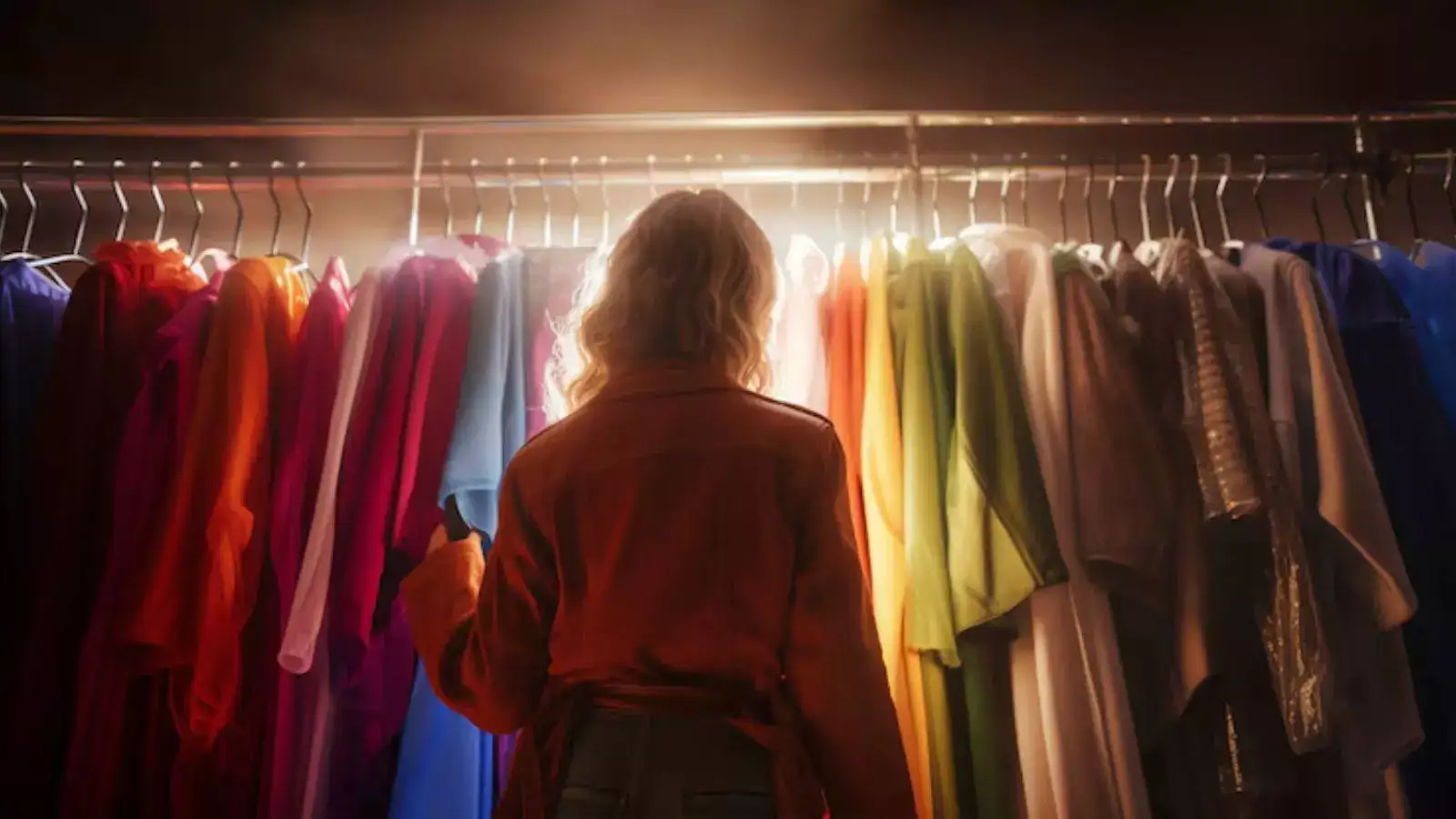
Buy Less, Choose Wisely
The first step to building a sustainable closet is to adopt a mindset of quality over quantity. Instead of chasing trends that come and go, invest in timeless, versatile pieces that you genuinely love and will wear for years. Before making a purchase, ask yourself:
Tip: Make a list before shopping to avoid impulsive buys.
Prioritize Sustainable Materials
Not all fabrics are created equal when it comes to environmental impact. When shopping for new clothes, look for items made from eco-friendly materials such as:
These materials often have a lower carbon footprint and are less damaging to ecosystems.
Support Ethical Brands
More and more brands are prioritizing transparency, fair labor practices, and sustainable production methods. Research and support companies that are committed to ethical manufacturing, pay fair wages, and reduce environmental harm.
Tip: Look for certifications like GOTS (Global Organic Textile Standard), Fair Trade, and B Corp when evaluating brands.
Embrace Second-Hand and Vintage
Shopping second-hand is one of the most effective ways to reduce the environmental impact of your wardrobe. Thrift stores, consignment shops, and online platforms like Depop, Poshmark, and ThredUP offer an abundance of stylish, affordable options.
Bonus: Vintage shopping also gives you access to unique pieces that set you apart from mass-produced trends.
Learn Basic Clothing Repairs
Instead of discarding a shirt because of a missing button or tossing jeans with a small rip, learn basic sewing skills. Small repairs can greatly extend the life of your clothing and reduce waste.
Resources: YouTube tutorials and local sewing workshops are great places to start.
Wash Responsibly
Practice Conscious Decluttering
Participate in Clothing Swaps
Clothing swaps are a fun and sustainable way to refresh your wardrobe. Gather a group of friends or find local community events where you can trade clothes instead of buying new ones.
Creating a sustainable closet is a journey, not an overnight change. Every small decision — from choosing eco-friendly fabrics to repairing a tear instead of discarding — contributes to a larger, positive impact on the environment. By making more conscious fashion choices, you’re not only curating a wardrobe you love but also helping to build a healthier, more sustainable future for the planet.
Buy Less, Choose Wisely
The first step to building a sustainable closet is to adopt a mindset of quality over quantity. Instead of chasing trends that come and go, invest in timeless, versatile pieces that you genuinely love and will wear for years. Before making a purchase, ask yourself:
- Do I really need this?
- Will it match with multiple outfits I already own?
- Is it durable and well-made?
Tip: Make a list before shopping to avoid impulsive buys.
Prioritize Sustainable Materials
Not all fabrics are created equal when it comes to environmental impact. When shopping for new clothes, look for items made from eco-friendly materials such as:
- Organic cotton (grown without harmful pesticides)
- Tencel (made from sustainably harvested trees)
- Hemp (requires minimal water and pesticides)
- Recycled fabrics (gives waste a second life)
These materials often have a lower carbon footprint and are less damaging to ecosystems.
You may also like
- Why are banks closed on Monday, September 21? What is the reason for the holiday? Check the latest updates before heading out.
- NPS Health: Withdraw Up to 25% for Treatment, Insurance Cover Until Age 85
- Frequent Headaches Are Not Normal: Key Triggers You Should Know
- Five Signs Your Body May Lack Vitamin D
- Jagga Singh shifted to Patiala hospital after ingesting poison over drug issue
Support Ethical Brands
More and more brands are prioritizing transparency, fair labor practices, and sustainable production methods. Research and support companies that are committed to ethical manufacturing, pay fair wages, and reduce environmental harm.
Tip: Look for certifications like GOTS (Global Organic Textile Standard), Fair Trade, and B Corp when evaluating brands.
Embrace Second-Hand and Vintage
Shopping second-hand is one of the most effective ways to reduce the environmental impact of your wardrobe. Thrift stores, consignment shops, and online platforms like Depop, Poshmark, and ThredUP offer an abundance of stylish, affordable options.
Bonus: Vintage shopping also gives you access to unique pieces that set you apart from mass-produced trends.
Learn Basic Clothing Repairs
Instead of discarding a shirt because of a missing button or tossing jeans with a small rip, learn basic sewing skills. Small repairs can greatly extend the life of your clothing and reduce waste.
Resources: YouTube tutorials and local sewing workshops are great places to start.
Wash Responsibly
- How you care for your clothes significantly impacts their lifespan and the environment.
- Wash only when necessary to conserve water and energy.
- Use cold water to reduce energy consumption.
- Air dry instead of using a dryer to lower your carbon footprint.
- Use eco-friendly detergents that are biodegradable and free of harsh chemicals.
Practice Conscious Decluttering
- When it’s time to clean out your closet, be thoughtful about how you dispose of unwanted clothing.
- Donate items in good condition to charities.
- Sell them online to give them a second life.
- Recycle damaged clothes through textile recycling programs rather than tossing them in the trash.
Participate in Clothing Swaps
Clothing swaps are a fun and sustainable way to refresh your wardrobe. Gather a group of friends or find local community events where you can trade clothes instead of buying new ones.
Creating a sustainable closet is a journey, not an overnight change. Every small decision — from choosing eco-friendly fabrics to repairing a tear instead of discarding — contributes to a larger, positive impact on the environment. By making more conscious fashion choices, you’re not only curating a wardrobe you love but also helping to build a healthier, more sustainable future for the planet.






Loving Newspoint? Download the app now
