
Eczema in Indian Weather: How Humidity and Winter Affect Your Skin


Eczema can feel like a completely different condition from one season to the next. In India, humid summers can trigger heat, sweat and irritation, while dry winter air can strip moisture from an already fragile skin barrier. Understanding these seasonal triggers can help you adjust your skincare routine- and prevent small flares from becoming bigger problems.
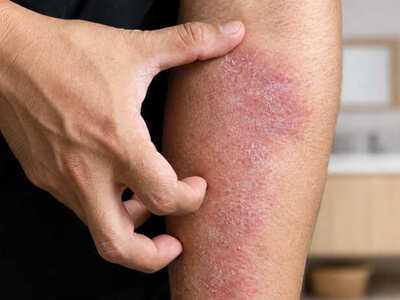
The Same Eczema, Two Very Different BattlesEczema doesn’t behave the same way all year.
The underlying problem remains the same: the skin barrier is weaker than it should be. In atopic dermatitis, the outermost layer of skin—the stratum corneum—has more difficulty holding on to water and keeping irritants out.
But the environment changes the way that weakness shows up.
In India’s humid months, heat, sweat, prolonged dampness and allergens can aggravate eczema. In winter, particularly across North India, cold, dry air and increased water loss from the skin can leave the barrier dry, cracked and painfully itchy.
That is why the skincare routine that feels perfect in July may feel completely inadequate in January.
Think of it this way: summer eczema often needs help staying cool and comfortable; winter eczema needs help holding on to moisture.
When Humidity Makes Eczema Worse
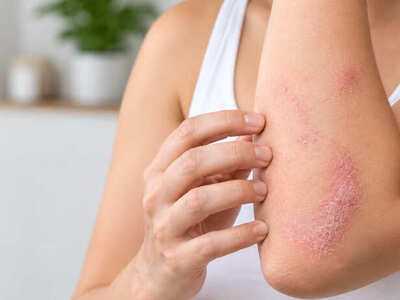 North Indian winters can bring cold temperatures and much drier air, particularly in places such as Delhi, Lucknow and Chandigarh. Add hot showers, frequent handwashing and layers of clothing, and eczema-prone skin can lose moisture quickly.
Humidity can sound like good news for dry skin, but eczema-prone skin can tell a different story.
When you sweat, the skin stays warm and damp for longer. Sweat, friction and repeated rubbing can irritate an already-compromised barrier. For some people, heat and sweating are enough to trigger intense itching, which then creates the familiar eczema cycle:
heat → itch → scratching → barrier damage → more inflammation → more itch.
India’s monsoon and humid coastal climates can add another layer to the problem. Dust mites thrive in humid environments, and certain yeasts that naturally live on the skin can contribute to inflammation in some people, particularly when eczema affects the face or scalp.
And then there is the practical problem: sweat can make you feel sticky, so your instinct may be to stop moisturising altogether.
That can backfire.
Sweat is not the same thing as properly hydrated skin. Your skin can feel wet on the surface while the underlying barrier is still damaged and losing water.
During humid weather, many people do better with a lighter, fragrance-free moisturiser, applied after gentle cleansing, while also reducing heat, friction and prolonged sweating. If a particular moisturiser feels heavy or makes you uncomfortable, the answer may be changing its texture—not abandoning moisturisation altogether.
What a Humidity Flare Can Look Like
A heat- or sweat-triggered flare may involve:
Then Winter Arrives—and the Problem ChangesNow imagine the opposite environment.
North Indian winters can bring cold temperatures and much drier air, particularly in places such as Delhi, Lucknow and Chandigarh. Add hot showers, frequent handwashing and layers of clothing, and eczema-prone skin can lose moisture quickly.
This is where transepidermal water loss (TEWL) becomes important.
TEWL is simply the amount of water escaping through the skin. A healthy skin barrier keeps this loss relatively controlled. An eczema-prone barrier is leakier, so when the surrounding air is dry, the skin can lose water even more easily.
The result?
Dryness → tightness → microscopic cracks → inflammation → intense itching.
And once the skin cracks, even ordinary things—soap, wool, sweat, dust or repeated handwashing—can suddenly sting.
Why Winter Eczema Often Feels DifferentWinter flares commonly bring:
Increased irritation from clothing and frequent washing Hands deserve particular attention. They are exposed to cold air but also repeatedly exposed to water, soaps and sanitising products throughout the day. For someone with eczema, that combination can be brutal on the skin barrier.
And then there is wool.
That warm sweater may be exactly what you need to stay comfortable, but wool fibres can irritate sensitive eczema-prone skin. Wearing a soft cotton layer between the wool and your skin can make a surprisingly noticeable difference.
Your Moisturiser Should Change With the Weather
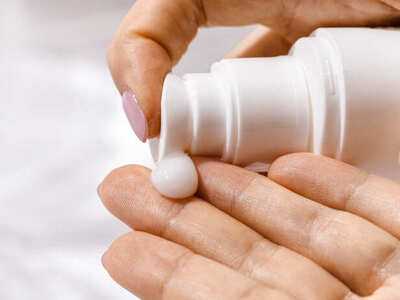 The goal is not to find one “perfect” moisturiser for the entire year. It is to find a formulation that protects your barrier without making you miserable enough to stop using it.
This is one of the simplest ways to think about seasonal eczema care:
The principles stay the same. The texture may need to change.
In humid weather, a lighter cream or lotion may feel more comfortable and encourage you to moisturise consistently.
In dry winter weather, a richer cream or ointment may be more appropriate because it helps reduce water loss from the skin.
The goal is not to find one “perfect” moisturiser for the entire year. It is to find a formulation that protects your barrier without making you miserable enough to stop using it.
After bathing, gently pat the skin dry rather than rubbing it, and moisturise while the skin still has some moisture on its surface.
And resist the temptation to take very hot showers in winter. They may feel wonderful for five minutes, but they can strip away some of the skin's protective oils and leave eczema-prone skin even drier afterward.
What Neither Summer Nor Winter Can FixThere is an important point that seasonal skincare cannot change:
Eczema is not simply a weather problem.
Atopic dermatitis is a chronic inflammatory skin condition with genetic, immune and environmental influences. Changes in the skin barrier—including variants involving the filaggrin (FLG) gene—can contribute to increased susceptibility.
So if your eczema improves during one season and suddenly returns during another, that does not mean you have “failed” at skincare.
Your skin is simply responding to a different set of triggers.
The weather is one piece of the puzzle—not the entire puzzle.
Know When It Is More Than a FlareNot every red, itchy patch is automatically eczema.
Contact dermatitis, seborrhoeic dermatitis and psoriasis can sometimes resemble eczema. Treating the wrong condition can delay improvement.
And eczema can also become infected.
Seek medical advice if a flare is:
These are situations where adding another layer of moisturiser is not necessarily the answer.
The Year-Round Eczema StrategyYou don't need two completely different skincare routines—one for summer and another for winter.
Think of it as the same foundation with seasonal adjustments.
During humid Indian summers and monsoonListen to your SkinYour eczema does not know what month it is. It responds to heat, humidity, dryness, friction, allergens and whatever else is happening around your skin.
That is why the smartest approach is not to completely change your skincare routine every season.
It is to listen to what your skin is doing and adjust the routine accordingly.
In humid weather, focus on controlling heat, sweat and irritation.
In winter, focus on replacing lost moisture and protecting the barrier.
The condition may be the same- but the trigger does not have to be.
Discover expert advice and the latest updates in Skin Care, Hair Care, Wellness, Dermatology, and more at Stay Young guide to lasting beauty and holistic health!
The Same Eczema, Two Very Different BattlesEczema doesn’t behave the same way all year.
The underlying problem remains the same: the skin barrier is weaker than it should be. In atopic dermatitis, the outermost layer of skin—the stratum corneum—has more difficulty holding on to water and keeping irritants out.
But the environment changes the way that weakness shows up.
In India’s humid months, heat, sweat, prolonged dampness and allergens can aggravate eczema. In winter, particularly across North India, cold, dry air and increased water loss from the skin can leave the barrier dry, cracked and painfully itchy.
That is why the skincare routine that feels perfect in July may feel completely inadequate in January.
Think of it this way: summer eczema often needs help staying cool and comfortable; winter eczema needs help holding on to moisture.
When Humidity Makes Eczema Worse
Humidity can sound like good news for dry skin, but eczema-prone skin can tell a different story.
When you sweat, the skin stays warm and damp for longer. Sweat, friction and repeated rubbing can irritate an already-compromised barrier. For some people, heat and sweating are enough to trigger intense itching, which then creates the familiar eczema cycle:
heat → itch → scratching → barrier damage → more inflammation → more itch.
India’s monsoon and humid coastal climates can add another layer to the problem. Dust mites thrive in humid environments, and certain yeasts that naturally live on the skin can contribute to inflammation in some people, particularly when eczema affects the face or scalp.
And then there is the practical problem: sweat can make you feel sticky, so your instinct may be to stop moisturising altogether.
That can backfire.
Sweat is not the same thing as properly hydrated skin. Your skin can feel wet on the surface while the underlying barrier is still damaged and losing water.
During humid weather, many people do better with a lighter, fragrance-free moisturiser, applied after gentle cleansing, while also reducing heat, friction and prolonged sweating. If a particular moisturiser feels heavy or makes you uncomfortable, the answer may be changing its texture—not abandoning moisturisation altogether.
What a Humidity Flare Can Look Like
A heat- or sweat-triggered flare may involve:
- Intense itching after sweating
- Red, inflamed or hot-feeling patches
- Increased irritation in skin folds
- Weeping or oozing areas during a more severe flare
- Symptoms that become worse after exercise, commuting or spending time outdoors
Then Winter Arrives—and the Problem ChangesNow imagine the opposite environment.
North Indian winters can bring cold temperatures and much drier air, particularly in places such as Delhi, Lucknow and Chandigarh. Add hot showers, frequent handwashing and layers of clothing, and eczema-prone skin can lose moisture quickly.
This is where transepidermal water loss (TEWL) becomes important.
TEWL is simply the amount of water escaping through the skin. A healthy skin barrier keeps this loss relatively controlled. An eczema-prone barrier is leakier, so when the surrounding air is dry, the skin can lose water even more easily.
The result?
Dryness → tightness → microscopic cracks → inflammation → intense itching.
And once the skin cracks, even ordinary things—soap, wool, sweat, dust or repeated handwashing—can suddenly sting.
Why Winter Eczema Often Feels DifferentWinter flares commonly bring:
- Rough, flaky or scaly skin
- Tightness after bathing
- Painful cracks, especially on the hands
- Deep, persistent itching
- Dry patches around the face or exposed areas
And then there is wool.
That warm sweater may be exactly what you need to stay comfortable, but wool fibres can irritate sensitive eczema-prone skin. Wearing a soft cotton layer between the wool and your skin can make a surprisingly noticeable difference.
Your Moisturiser Should Change With the Weather
This is one of the simplest ways to think about seasonal eczema care:
The principles stay the same. The texture may need to change.
In humid weather, a lighter cream or lotion may feel more comfortable and encourage you to moisturise consistently.
In dry winter weather, a richer cream or ointment may be more appropriate because it helps reduce water loss from the skin.
The goal is not to find one “perfect” moisturiser for the entire year. It is to find a formulation that protects your barrier without making you miserable enough to stop using it.
After bathing, gently pat the skin dry rather than rubbing it, and moisturise while the skin still has some moisture on its surface.
And resist the temptation to take very hot showers in winter. They may feel wonderful for five minutes, but they can strip away some of the skin's protective oils and leave eczema-prone skin even drier afterward.
What Neither Summer Nor Winter Can FixThere is an important point that seasonal skincare cannot change:
Eczema is not simply a weather problem.
Atopic dermatitis is a chronic inflammatory skin condition with genetic, immune and environmental influences. Changes in the skin barrier—including variants involving the filaggrin (FLG) gene
So if your eczema improves during one season and suddenly returns during another, that does not mean you have “failed” at skincare.
Your skin is simply responding to a different set of triggers.
The weather is one piece of the puzzle—not the entire puzzle.
Know When It Is More Than a FlareNot every red, itchy patch is automatically eczema.
Contact dermatitis, seborrhoeic dermatitis and psoriasis can sometimes resemble eczema. Treating the wrong condition can delay improvement.
And eczema can also become infected.
Seek medical advice if a flare is:
- Rapidly spreading
- Increasingly painful or swollen
- Developing yellow crusts or discharge
- Associated with fever or feeling unwell
- Not improving with your usual routine
- Affecting a large area of your body
The Year-Round Eczema StrategyYou don't need two completely different skincare routines—one for summer and another for winter.
Think of it as the same foundation with seasonal adjustments.
During humid Indian summers and monsoon
- Choose a comfortable, fragrance-free moisturiser with a lighter texture if needed.
- Keep skin cool and reduce prolonged sweating where possible.
- Change out of damp, sweaty clothing.
- Avoid harsh soaps and aggressive scrubbing.
- Pay attention to areas where sweat and friction collect.
- Don't stop moisturising simply because your skin feels sweaty.
- Switch to a richer cream or ointment if your skin becomes significantly drier.
- Moisturise immediately after bathing and whenever the skin feels dry.
- Keep showers lukewarm rather than very hot.
- Use soft, breathable fabrics next to the skin.
- Consider cotton as a barrier between your skin and irritating wool.
- Protect frequently washed hands with regular moisturisation.
- If indoor heating makes the air extremely dry, adding humidity to the room may help.
That is why the smartest approach is not to completely change your skincare routine every season.
It is to listen to what your skin is doing and adjust the routine accordingly.
In humid weather, focus on controlling heat, sweat and irritation.
In winter, focus on replacing lost moisture and protecting the barrier.
The condition may be the same- but the trigger does not have to be.
Discover expert advice and the latest updates in Skin Care, Hair Care, Wellness, Dermatology, and more at Stay Young guide to lasting beauty and holistic health!
Next Story