
10 Edible Flowers to Grow at Home for Beauty and Flavour

Flowers are usually grown for their colour, fragrance and beauty, but some can also become an unexpected part of your meals. Edible flowers can add colour, delicate flavours and a decorative touch to salads, desserts, drinks and homemade dishes. Better still, many varieties can be grown in a home garden , balcony or even a few pots near a sunny window.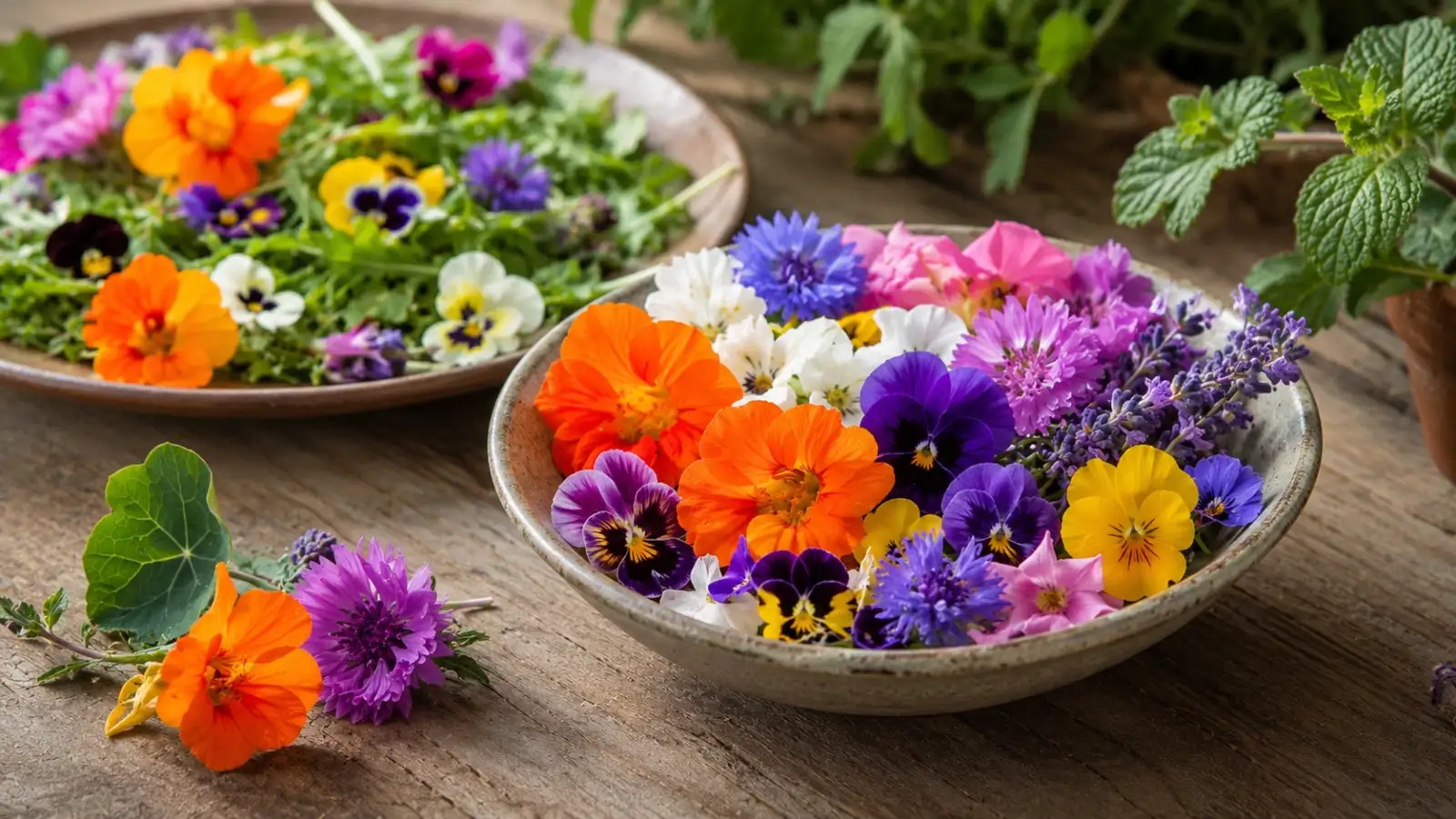
Growing edible flowers is a simple way to make your garden more interesting. Instead of treating flowers as something that only belongs in a vase, you can grow varieties that have a place in the kitchen too. However, it is important to grow flowers specifically identified as edible and avoid flowers that may have been treated with pesticides or other chemicals.
If you want to experiment with edible gardening, these 10 flowers are worth considering.
The flowers work particularly well in salads, where their vibrant colours can make a simple bowl of vegetables look more appealing. You can also use the petals as a colourful garnish for savoury dishes.
Nasturtiums are relatively easy to grow and can work well in containers, making them a good choice for people with limited garden space.
The flavour can vary depending on the variety, with some having a slightly citrusy or spicy character. Petals are often used in small quantities to add colour rather than dominate the dish.
When growing edible flowers at home, always check the exact variety before using marigold petals in food.
They have a mild flavour and can be used to decorate cakes, biscuits, fruit salads and chilled desserts. Whole flowers can also make a simple glass of lemonade or iced tea look much more special.
Because pansies can be grown in pots, they are particularly useful for small gardens and balconies.
Try adding them to salads or using them as decoration on cupcakes and homemade desserts. You can also freeze individual flowers into ice cubes for drinks, creating an attractive presentation for summer gatherings.
Their compact size makes violas easy to grow in containers.
Dried or fresh lavender can be used to flavour biscuits, cakes, syrups and homemade drinks. It pairs particularly well with lemon and honey.
If you are growing lavender for culinary use, choose a suitable edible variety and avoid plants that have been treated with garden chemicals.
Different roses have different levels of fragrance, so the flavour can vary. Strongly scented petals tend to provide more noticeable flavour.
Before using roses as edible garden flowers, make sure they are grown without unsuitable pesticides. Remove the bitter white base of the petals before using them in food.
Fresh borage flowers can be added to salads or placed in ice cubes for a decorative drink. Their unusual shape also makes them a fun choice if you want something different from more familiar garden flowers.
Borage can grow quite freely, so give it enough room if you plant it directly in the garden.
The petals have a slightly peppery or bitter flavour, so they are generally better used sparingly. They can also be dried and used as a colourful addition to homemade recipes.
Calendula is a useful choice for an edible garden because it can provide both visual appeal and culinary possibilities.
Separate the tiny flowers and sprinkle them over salads, soups, baked potatoes or savoury dishes. They can add a burst of colour without requiring a completely separate plant.
Chive flowers are particularly useful because the plant itself is already a familiar kitchen herb.
Courgette flowers can be stuffed with soft cheese and herbs, then baked or lightly cooked. They can also be added to savoury dishes or used as an attractive garnish.
If you grow courgettes in your garden, using the flowers can be a fun way to make the most of the plant.
The most important rule is to be certain that a flower is edible before eating it. Do not assume that a flower is safe simply because it looks similar to a known edible variety. It is also important to avoid flowers that may have been exposed to pesticides, weed killers or other chemicals not intended for food crops.
Start with a few varieties in pots or a small garden bed and see which ones grow best in your conditions. With a little care, your garden can offer much more than beautiful blooms. It can also provide colourful and unexpected ingredients for your kitchen.
Growing edible flowers is a simple way to make your garden more interesting. Instead of treating flowers as something that only belongs in a vase, you can grow varieties that have a place in the kitchen too. However, it is important to grow flowers specifically identified as edible and avoid flowers that may have been treated with pesticides or other chemicals.
If you want to experiment with edible gardening, these 10 flowers are worth considering.
1. Nasturtiums
Nasturtiums are among the most useful flowers for an edible garden . Their bright orange, yellow and red blooms can make a garden look cheerful, while their flowers and leaves have a slightly peppery taste.The flowers work particularly well in salads, where their vibrant colours can make a simple bowl of vegetables look more appealing. You can also use the petals as a colourful garnish for savoury dishes.
Nasturtiums are relatively easy to grow and can work well in containers, making them a good choice for people with limited garden space.
2. Marigolds
Marigolds are popular garden flowers , but some varieties can also be used in food. Their petals can add a bright golden or orange colour to salads, rice dishes and other recipes.The flavour can vary depending on the variety, with some having a slightly citrusy or spicy character. Petals are often used in small quantities to add colour rather than dominate the dish.
When growing edible flowers at home, always check the exact variety before using marigold petals in food.
3. Pansies
Pansies are perfect if you want edible flowers that look almost too pretty to eat. Their colourful faces come in shades of purple, yellow, blue, white and other combinations.They have a mild flavour and can be used to decorate cakes, biscuits, fruit salads and chilled desserts. Whole flowers can also make a simple glass of lemonade or iced tea look much more special.
Because pansies can be grown in pots, they are particularly useful for small gardens and balconies.
4. Violas
Violas are closely related to pansies and are another excellent option for edible gardening. Their small flowers are colourful, delicate and generally mild in flavour.Try adding them to salads or using them as decoration on cupcakes and homemade desserts. You can also freeze individual flowers into ice cubes for drinks, creating an attractive presentation for summer gatherings.
Their compact size makes violas easy to grow in containers.
5. Lavender
Lavender is best known for its distinctive fragrance, but its flowers can also be used carefully in cooking. The floral flavour can be quite strong, so a little is usually enough.Dried or fresh lavender can be used to flavour biscuits, cakes, syrups and homemade drinks. It pairs particularly well with lemon and honey.
If you are growing lavender for culinary use, choose a suitable edible variety and avoid plants that have been treated with garden chemicals.
6. Roses
Rose petals can bring both colour and fragrance to the kitchen. They can be used to decorate desserts, flavour syrups or make homemade rose-infused drinks.Different roses have different levels of fragrance, so the flavour can vary. Strongly scented petals tend to provide more noticeable flavour.
Before using roses as edible garden flowers, make sure they are grown without unsuitable pesticides. Remove the bitter white base of the petals before using them in food.
7. Borage
Borage produces attractive blue, star-shaped flowers that can make salads and drinks look surprisingly elegant. The flowers have a mild flavour that is sometimes compared with cucumber.Fresh borage flowers can be added to salads or placed in ice cubes for a decorative drink. Their unusual shape also makes them a fun choice if you want something different from more familiar garden flowers.
Borage can grow quite freely, so give it enough room if you plant it directly in the garden.
8. Calendula
Calendula is sometimes called the pot marigold and is another colourful flower that can be grown for culinary use. Its petals range from yellow to orange and can brighten up salads, soups and rice dishes.The petals have a slightly peppery or bitter flavour, so they are generally better used sparingly. They can also be dried and used as a colourful addition to homemade recipes.
Calendula is a useful choice for an edible garden because it can provide both visual appeal and culinary possibilities.
9. Chive Flowers
If you already grow chives for cooking, let some of the plants flower. Their round purple flower heads are edible and have a gentle onion-like flavour.Separate the tiny flowers and sprinkle them over salads, soups, baked potatoes or savoury dishes. They can add a burst of colour without requiring a completely separate plant.
You may also like
- Heal Your Gut Naturally: 3 Powerful Ayurvedic Drinks to Cure Constipation, Bloating, and Indigestion
- Why Men Hate the Word 'Diet': New Study Reveals Surprising Reasons Behind Weight Loss Struggles
- 'India doesn't scare me anymore': Russian traveller's first 3AC train ride turns into a life lesson, from culture shock to falling in love with India
- Why Guwahati airport has 1 lakh plants, the idea that turned it into a 'living forest'
- From sheep to sweater: This woman spent 4-months and Rs 70,000 in making a sweater from scratch - her experiment reveals the real cost of slow fashion
Chive flowers are particularly useful because the plant itself is already a familiar kitchen herb.
10. Courgette Flowers
Courgettes can provide more than just vegetables. Their large yellow flowers are edible and can become a delicious part of a meal.Courgette flowers can be stuffed with soft cheese and herbs, then baked or lightly cooked. They can also be added to savoury dishes or used as an attractive garnish.
If you grow courgettes in your garden, using the flowers can be a fun way to make the most of the plant.
A Flower Garden You Can Eat
Growing edible flowers can turn an ordinary home garden into something much more useful and interesting. Nasturtiums can bring peppery flavour to salads, pansies can decorate desserts, lavender can add fragrance to baking and courgette flowers can become part of a savoury meal.The most important rule is to be certain that a flower is edible before eating it. Do not assume that a flower is safe simply because it looks similar to a known edible variety. It is also important to avoid flowers that may have been exposed to pesticides, weed killers or other chemicals not intended for food crops.
Start with a few varieties in pots or a small garden bed and see which ones grow best in your conditions. With a little care, your garden can offer much more than beautiful blooms. It can also provide colourful and unexpected ingredients for your kitchen.






Loving Newspoint? Download the app now
