
Effective Strategies For Enhancing Your Child's Communication Abilities At Home And Beyond

Communication is an important part of a child's development, helping them share ideas, express emotions and connect with people around them. These abilities do not develop overnight. Children learn by listening, observing and practising language in everyday situations. For parents, ordinary moments such as mealtimes, reading sessions and play can become opportunities to strengthen communication. According to child development experts, giving children time to speak without immediately correcting them can also encourage confidence. A supportive home environment can therefore make practising communication feel natural rather than like a formal lesson.
Talk To Your Child Regularly
Everyday conversation is one of the simplest ways to improve communication in children . Parents can talk about familiar subjects such as school, food, hobbies or what they see during a walk.Instead of asking only questions that require a yes-or-no answer, try open-ended prompts such as, “What was the best part of your day?” This encourages children to explain their thoughts in greater detail.
Parents can also introduce new words naturally during conversations and explain unfamiliar terms when needed. Regular exposure to language can support vocabulary development.
Make Reading A Daily Habit
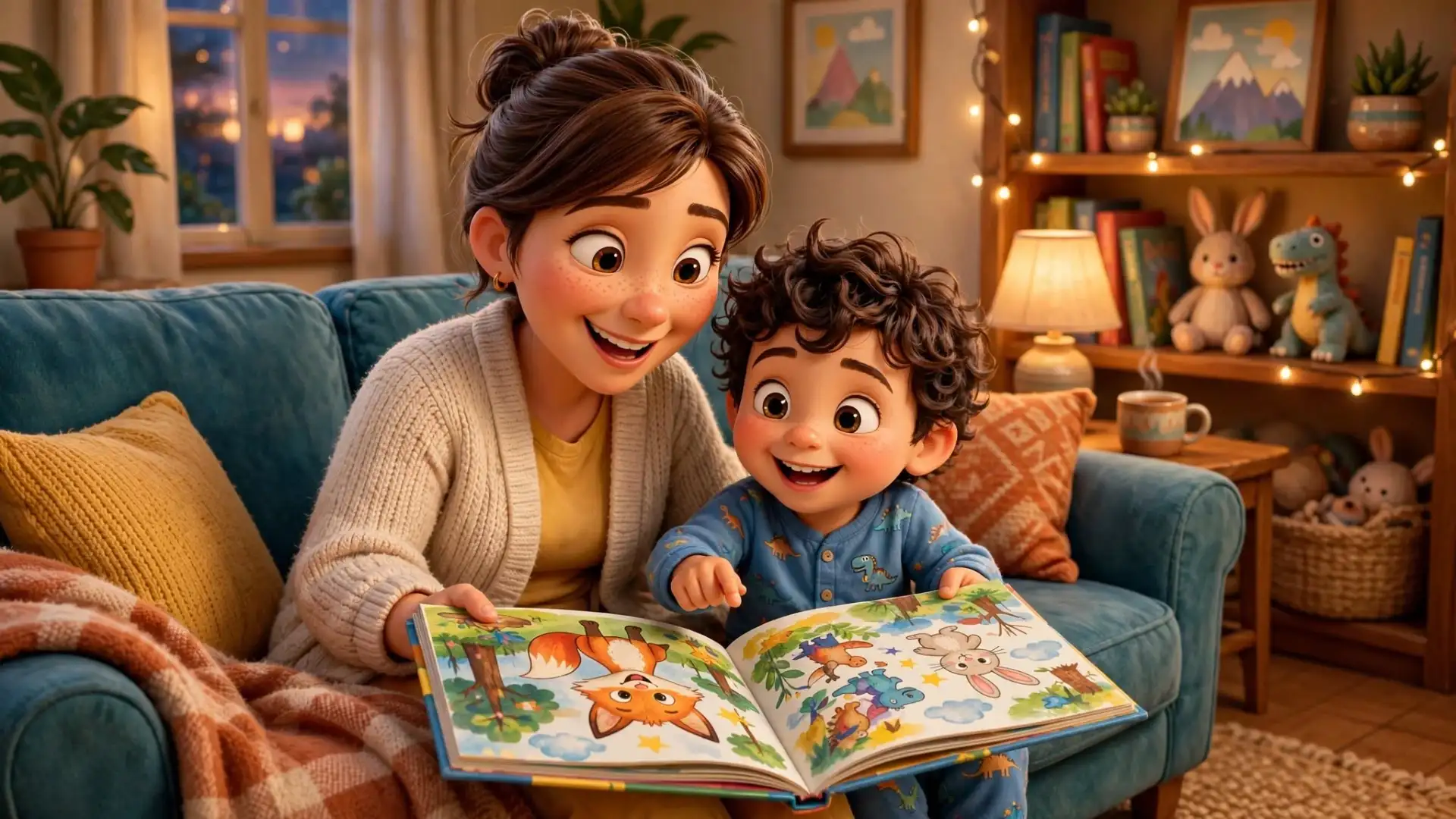
Reading together can support language development while giving children opportunities to hear different words, sentence structures and ways of expressing ideas.Parents can pause during a story and ask what the child thinks might happen next. Discussing characters, pictures and events can turn reading into an interactive activity.
For younger children, picture books can be particularly useful for encouraging them to identify objects and describe what they see.
Listen Without Interrupting
Communication is not only about speaking. Listening is equally important.When children are explaining something, parents can give them their full attention and avoid completing sentences for them. According to experts, this can help children feel that their thoughts are valued.
You may also like
- New documentary traces the history of Girmitiya women
- Dr Mukesh Batra flags digital addiction and toxic relationships as modern-day 'toxins'
- 2-Hour Limit on Facebook and Instagram: Here's Meta's New Plan
- Easy ways to give your garden planters a beautiful fall glow-up: Simple ideas to refresh your outdoor space
- 5 budget-friendly DIY entryway decor ideas using just plants and decorative pots that instantly upgrade the home
Parents can also repeat or summarise what the child has said to show that they have understood. This demonstrates the importance of attentive listening in everyday conversations.
Encourage Storytelling And Pretend Play
Storytelling gives children an opportunity to organise their thoughts and communicate them in sequence. Parents can encourage them to describe something that happened at school or create their own story from a picture.Pretend play can provide another useful setting. Children may practise conversations while playing shopkeeper, teacher, doctor or another role.
These activities can make communication skills for kids more enjoyable while encouraging creativity and vocabulary.
Create A Patient And Supportive Environment
Children develop at different rates, so comparing one child with another may not be helpful. Parents can focus instead on creating regular opportunities for conversation and expression.If a child consistently struggles to understand or express language, or if parents have concerns about their communication development, discussing the issue with a paediatrician or qualified speech and language professional can be appropriate.
With patience, regular interaction and encouragement, parents can help make strong communication a natural part of a child's daily life.
Image Courtesy: Meta AI






Loving Newspoint? Download the app now
