
Why Traditional Indian Handicrafts Are Finding a Place in Modern Homes

Modern home decor is increasingly moving beyond mass-produced furniture and factory-made accessories. Many homeowners are now choosing objects that have a story, a sense of place and a visible connection to craftsmanship. This shift has brought traditional Indian handicrafts into the spotlight.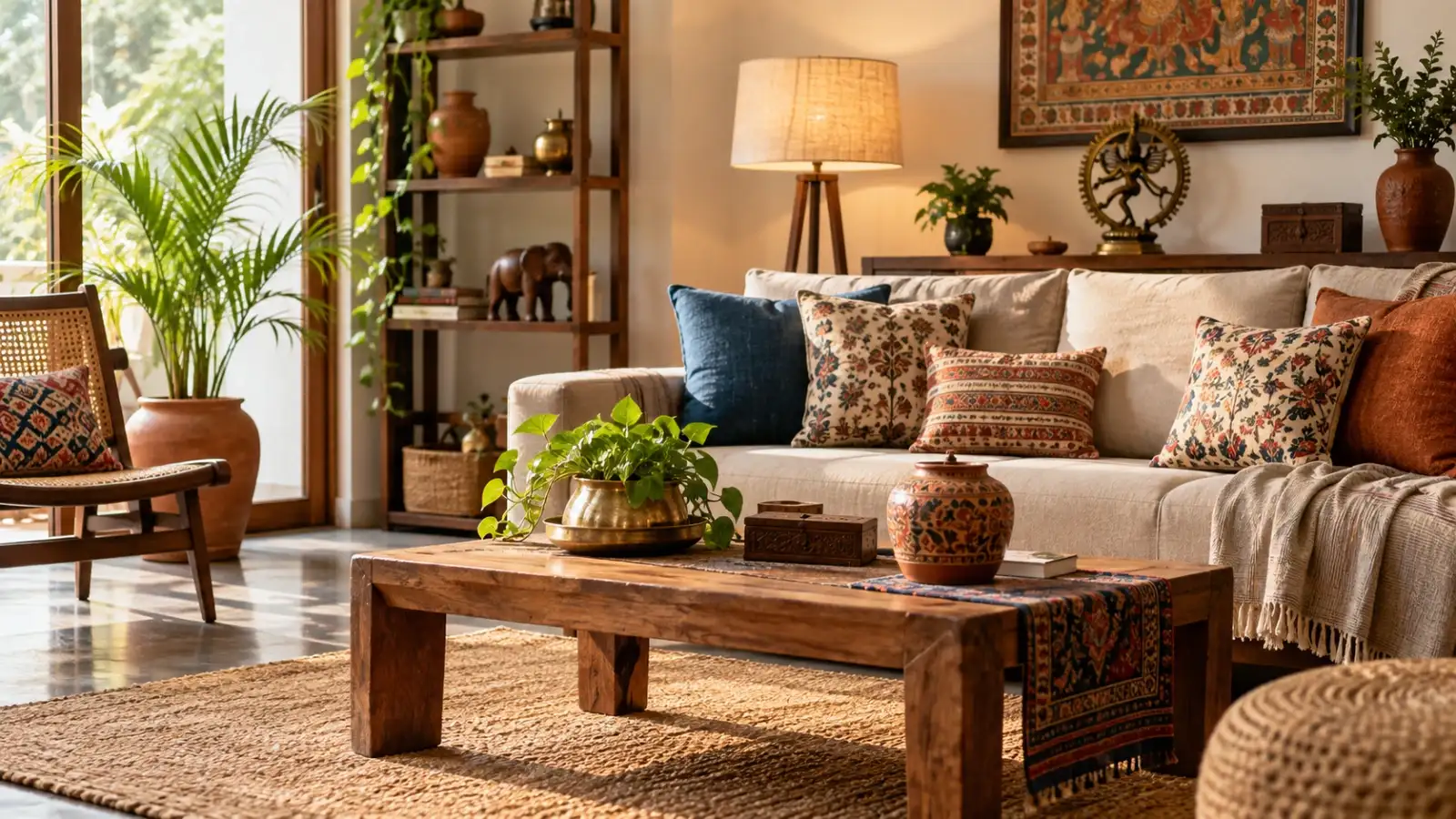
From handwoven textiles and terracotta pottery to wooden carvings and cane furniture, Indian crafts are being used to add warmth, character and cultural depth to contemporary interiors. These products combine artistic expression with practical design, making them suitable for both traditional and modern homes.
The growing interest in Indian handicrafts also reflects a wider appreciation for handmade products , regional heritage and more thoughtful consumption.
These differences give each piece a distinctive identity. A hand-painted vase, carved wooden panel or woven basket can become a focal point in a room without overwhelming the rest of the decor.
In modern homes, where neutral colours and simple furniture are often preferred, handcrafted products can introduce visual interest. Their natural imperfections can make a space feel more personal and welcoming.
For example, Madhubani paintings can bring intricate storytelling and symbolic imagery into a living space. Pattachitra artwork can add mythological and decorative elements, while blue pottery introduces distinctive patterns and colours.
Using such products at home allows people to celebrate India’s cultural diversity in a contemporary setting. These objects can also encourage conversations about the communities, traditions and techniques behind them.
Cane chairs, bamboo lamps, jute rugs and terracotta planters can soften the appearance of rooms filled with glass, concrete and polished surfaces. Wooden accessories can add warmth, while handwoven fabrics can make minimalist spaces feel more comfortable.
Natural materials also offer flexibility. They can be incorporated into coastal, rustic, Scandinavian-inspired, bohemian, contemporary and Indian-style interiors.
Traditional Indian handicrafts help introduce texture through woven fibres, carved surfaces, embroidered fabrics, hammered metals and hand-painted details.
A block-printed cushion, a woven wall hanging or a brass lamp can add depth without requiring major changes to a room. Even a small number of carefully selected pieces can make an interior feel more layered and inviting.
Several traditional crafts use locally available materials and techniques that have developed around regional resources. Products made from clay, bamboo, cane, wood or natural fibres may offer alternatives to certain mass-produced plastic items.
However, not every handmade product is automatically sustainable. The environmental impact depends on material sourcing, production methods, transport, durability and packaging.
Consumers interested in sustainable home decor can look for responsibly made products, long-lasting designs and transparent information about the artisan or workshop.
A single brass sculpture on a plain shelf, a handwoven runner on a dining table or a terracotta pot beside a window can add cultural detail without making a room look crowded.
The key is balance. Instead of filling every corner with decorative objects, homeowners can choose a few meaningful pieces and allow them to stand out.
This approach makes it easier to combine traditional craftsmanship with modern furniture and contemporary colour schemes.
Kutch embroidery introduces vibrant colours and detailed patterns. Kashmir is known for papier-mâché work and embroidered textiles. Odisha has a strong tradition of Pattachitra painting and silver filigree. Assam is associated with bamboo and cane crafts, while Rajasthan is known for block printing, pottery and decorative metalwork.
This variety allows homeowners to explore different styles without relying on the same decorative trends. Each craft can bring a distinct regional influence into a living space.
Many craft-based businesses are also presenting traditional products in updated forms. A centuries-old weaving technique may now be used to create contemporary cushion covers, lampshades or table runners. Traditional metalwork may appear in modern lighting fixtures, while classic pottery forms may be adapted for urban kitchens and balconies.
This combination of heritage and modern usability has helped make handicrafts more accessible to younger buyers.
A handwoven textile purchased during a holiday, a clay lamp associated with a festival or a wooden object inherited from a grandparent can carry emotional value.
Traditional handicrafts can therefore make homes feel more connected to personal experiences. They often offer a sense of authenticity that standardised decorative products may not provide.
Ancient weaving methods may be used to produce contemporary upholstery. Traditional carving techniques may be adapted for furniture, while regional embroidery can be incorporated into modern clothing-inspired home accessories.
These collaborations can help preserve traditional knowledge while creating new markets for craft communities. They also allow Indian handicrafts to appeal to customers who prefer modern forms but still value cultural detail.
A handwoven rug can add warmth to a living room, while a brass lamp can provide a subtle traditional touch. Terracotta planters work well on balconies, and block-printed cushions can refresh a neutral sofa.
Wall art, baskets, carved trays, handmade ceramics and embroidered table runners are other practical options. It is useful to consider the size, colour palette and function of each piece before adding it to a room.
The aim should be to create a balanced space where traditional objects complement modern design rather than compete with it.
Traditional Indian handicrafts are becoming popular in modern home decor because they offer a combination of beauty, individuality, cultural meaning and tactile appeal. Their natural materials, regional designs and handmade character can bring warmth to contemporary interiors.
The renewed interest in these crafts also creates opportunities for artisans and small craft businesses. However, meaningful support requires more than simply purchasing decorative products. Buyers should value fair pricing, responsible sourcing, genuine craftsmanship and the preservation of traditional skills.
When thoughtfully selected, Indian handicrafts can transform a home into a space that reflects both modern tastes and the rich cultural traditions of the country.
From handwoven textiles and terracotta pottery to wooden carvings and cane furniture, Indian crafts are being used to add warmth, character and cultural depth to contemporary interiors. These products combine artistic expression with practical design, making them suitable for both traditional and modern homes.
The growing interest in Indian handicrafts also reflects a wider appreciation for handmade products , regional heritage and more thoughtful consumption.
1. Handmade Products Bring Character to Interiors
One of the main reasons traditional Indian handicrafts are becoming popular is their individuality. Unlike factory-made products, handmade objects often feature small variations in colour, texture, shape and finish.These differences give each piece a distinctive identity. A hand-painted vase, carved wooden panel or woven basket can become a focal point in a room without overwhelming the rest of the decor.
In modern homes, where neutral colours and simple furniture are often preferred, handcrafted products can introduce visual interest. Their natural imperfections can make a space feel more personal and welcoming.
2. Indian Crafts Connect Homes With Cultural Heritage
Traditional handicrafts often carry the history and cultural identity of the communities that produce them. Designs, motifs and techniques may be influenced by local festivals, religious traditions, regional landscapes and generations of artistic knowledge.For example, Madhubani paintings can bring intricate storytelling and symbolic imagery into a living space. Pattachitra artwork can add mythological and decorative elements, while blue pottery introduces distinctive patterns and colours.
Using such products at home allows people to celebrate India’s cultural diversity in a contemporary setting. These objects can also encourage conversations about the communities, traditions and techniques behind them.
3. Natural Materials Suit Contemporary Design Trends
Many Indian handicrafts are made using materials such as clay, bamboo, cane, jute, wood, cotton, silk, metal and natural fibres. These materials work well with modern design preferences that emphasise earthy textures and organic elements.Cane chairs, bamboo lamps, jute rugs and terracotta planters can soften the appearance of rooms filled with glass, concrete and polished surfaces. Wooden accessories can add warmth, while handwoven fabrics can make minimalist spaces feel more comfortable.
Natural materials also offer flexibility. They can be incorporated into coastal, rustic, Scandinavian-inspired, bohemian, contemporary and Indian-style interiors.
4. Handicrafts Add Texture and Visual Warmth
Modern interiors often rely on clean lines and uncluttered layouts. While this approach can create a sense of openness, excessive use of smooth surfaces may make a room appear cold or impersonal.Traditional Indian handicrafts help introduce texture through woven fibres, carved surfaces, embroidered fabrics, hammered metals and hand-painted details.
A block-printed cushion, a woven wall hanging or a brass lamp can add depth without requiring major changes to a room. Even a small number of carefully selected pieces can make an interior feel more layered and inviting.
5. Growing Interest in Sustainable Decor
Environmental concerns have encouraged many consumers to reconsider how household products are made, used and discarded. This has increased interest in durable, repairable and responsibly sourced home accessories.Several traditional crafts use locally available materials and techniques that have developed around regional resources. Products made from clay, bamboo, cane, wood or natural fibres may offer alternatives to certain mass-produced plastic items.
However, not every handmade product is automatically sustainable. The environmental impact depends on material sourcing, production methods, transport, durability and packaging.
Consumers interested in sustainable home decor can look for responsibly made products, long-lasting designs and transparent information about the artisan or workshop.
6. Traditional Crafts Work Well With Minimalist Homes
Indian handicrafts are not limited to homes with elaborate traditional interiors. Their simple forms and natural materials can also complement minimalist spaces.A single brass sculpture on a plain shelf, a handwoven runner on a dining table or a terracotta pot beside a window can add cultural detail without making a room look crowded.
The key is balance. Instead of filling every corner with decorative objects, homeowners can choose a few meaningful pieces and allow them to stand out.
This approach makes it easier to combine traditional craftsmanship with modern furniture and contemporary colour schemes.
7. Regional Craftsmanship Offers Greater Variety
India’s handicraft traditions are extremely diverse. Different regions have developed distinctive techniques based on local materials, cultural practices and historical influences.Kutch embroidery introduces vibrant colours and detailed patterns. Kashmir is known for papier-mâché work and embroidered textiles. Odisha has a strong tradition of Pattachitra painting and silver filigree. Assam is associated with bamboo and cane crafts, while Rajasthan is known for block printing, pottery and decorative metalwork.
This variety allows homeowners to explore different styles without relying on the same decorative trends. Each craft can bring a distinct regional influence into a living space.
8. Artisans and Small Craft Businesses Are More Visible
Digital marketplaces, social media and independent design brands have made it easier for consumers to discover traditional crafts. Artisans and small workshops can now display their products to customers beyond their immediate regions.Many craft-based businesses are also presenting traditional products in updated forms. A centuries-old weaving technique may now be used to create contemporary cushion covers, lampshades or table runners. Traditional metalwork may appear in modern lighting fixtures, while classic pottery forms may be adapted for urban kitchens and balconies.
This combination of heritage and modern usability has helped make handicrafts more accessible to younger buyers.
9. Handicrafts Create Emotional and Personal Connections
Home decor is not only about appearance. People often choose objects because they remind them of a place, a family tradition or a memorable journey.A handwoven textile purchased during a holiday, a clay lamp associated with a festival or a wooden object inherited from a grandparent can carry emotional value.
Traditional handicrafts can therefore make homes feel more connected to personal experiences. They often offer a sense of authenticity that standardised decorative products may not provide.
10. Modern Designers Are Reimagining Traditional Techniques
Contemporary designers are increasingly collaborating with artisans to create products that combine traditional skills with modern shapes and practical requirements.Ancient weaving methods may be used to produce contemporary upholstery. Traditional carving techniques may be adapted for furniture, while regional embroidery can be incorporated into modern clothing-inspired home accessories.
These collaborations can help preserve traditional knowledge while creating new markets for craft communities. They also allow Indian handicrafts to appeal to customers who prefer modern forms but still value cultural detail.
How to Include Indian Handicrafts in Modern Home Decor
Homeowners do not need to redesign an entire room to include traditional Indian crafts. A few thoughtful additions can create a noticeable difference.A handwoven rug can add warmth to a living room, while a brass lamp can provide a subtle traditional touch. Terracotta planters work well on balconies, and block-printed cushions can refresh a neutral sofa.
Wall art, baskets, carved trays, handmade ceramics and embroidered table runners are other practical options. It is useful to consider the size, colour palette and function of each piece before adding it to a room.
The aim should be to create a balanced space where traditional objects complement modern design rather than compete with it.
Traditional Indian handicrafts are becoming popular in modern home decor because they offer a combination of beauty, individuality, cultural meaning and tactile appeal. Their natural materials, regional designs and handmade character can bring warmth to contemporary interiors.
The renewed interest in these crafts also creates opportunities for artisans and small craft businesses. However, meaningful support requires more than simply purchasing decorative products. Buyers should value fair pricing, responsible sourcing, genuine craftsmanship and the preservation of traditional skills.
When thoughtfully selected, Indian handicrafts can transform a home into a space that reflects both modern tastes and the rich cultural traditions of the country.
Next Story