
Emergency Fund 101: What It Is, Why It Matters, and How to Save

Life is full of surprises—some good, some not so much. Imagine your car suddenly breaking down, a medical emergency arises, or you face an unexpected job loss. Without a financial cushion, these situations can lead to stress and debt. This is where an emergency fund comes in.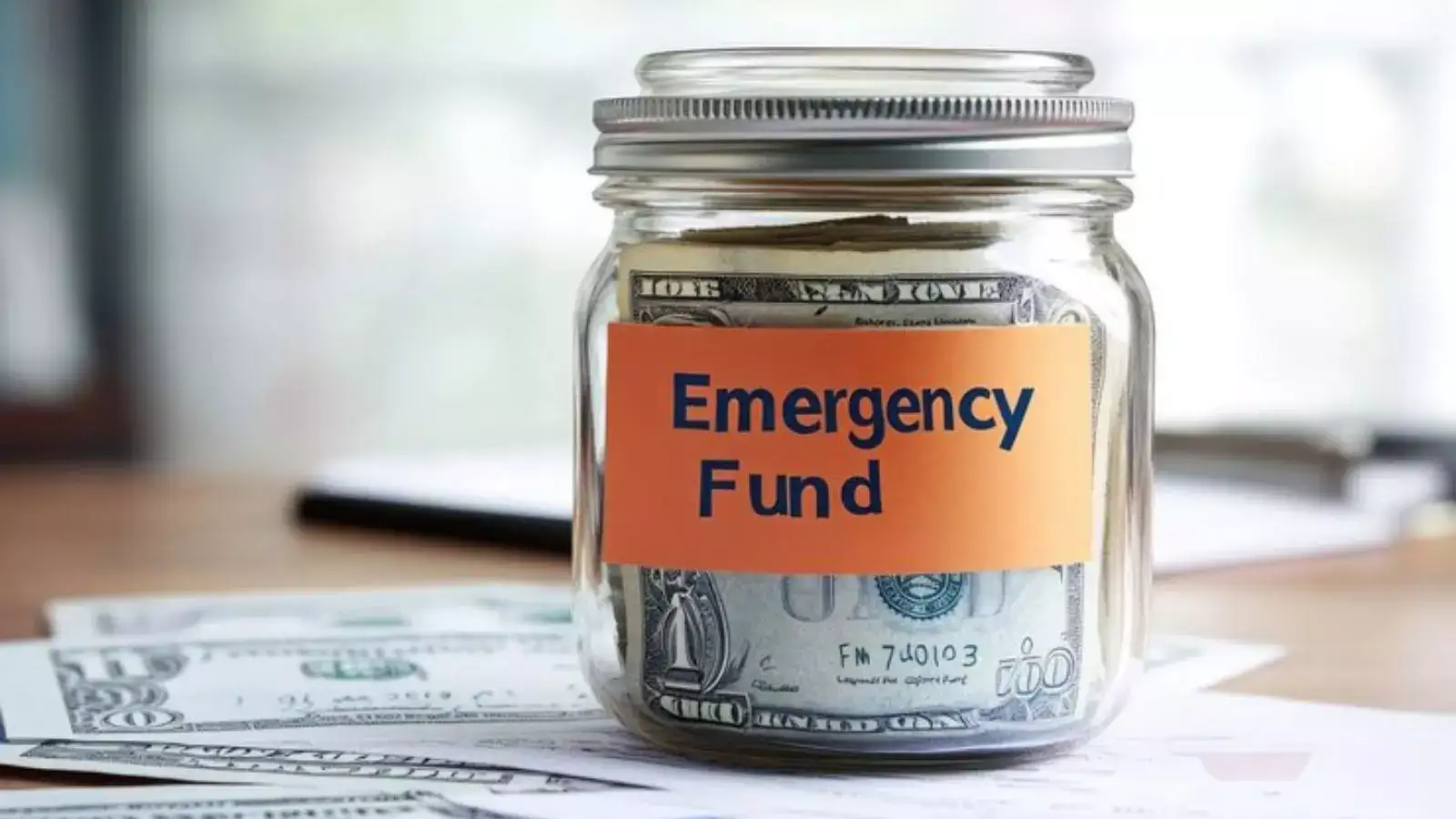
An emergency fund is a financial safety net that helps you handle unexpected expenses without derailing your financial stability. It’s one of the most essential steps toward financial security, yet many people overlook its importance. In this article, we'll explore what an emergency fund is, why you need one, and how to start saving for it today.
What Is an Emergency Fund?
An emergency fund is a dedicated savings account set aside to cover unforeseen expenses such as medical emergencies, car repairs, home maintenance, or sudden job loss. The primary purpose of this fund is to provide financial security and prevent the need to go into debt when unexpected costs arise.
Why an Emergency Fund Matters
How Much Should You Save?
The amount you should save in an emergency fund depends on your personal financial situation. A general rule of thumb is to have at least three to six months' worth of living expenses. If you have dependents or a fluctuating income, consider saving more. Start with a small goal, such as $500 or $1,000, and gradually build from there.
How to Start Saving for an Emergency Fund
1. Set a Realistic Goal
Determine how much you need to save based on your monthly expenses and financial situation.
2. Open a Separate Savings Account
Keep your emergency fund in a separate, easily accessible account to prevent the temptation to use it for non-emergencies.
3. Automate Your Savings
Set up automatic transfers from your checking account to your emergency fund each month. Even small contributions add up over time.
4. Cut Unnecessary Expenses
Identify areas where you can cut back, such as dining out, subscriptions, or impulse purchases, and redirect those savings into your emergency fund.
5. Use Windfalls Wisely
Tax refunds, bonuses, or unexpected cash inflows can boost your emergency savings quickly. Consider allocating a portion of these funds to your emergency account.
6. Increase Your Income
If possible, look for ways to earn extra money, such as freelancing, a side hustle, or selling unused items, and direct that income toward your emergency fund.
7. Stay Consistent and Adjust as Needed
Regularly review your emergency fund and adjust your savings goals as your financial situation changes.
When to Use Your Emergency Fund
Use your emergency fund only for true emergencies, such as medical expenses, urgent home repairs, or sudden job loss. Avoid dipping into it for non-essential purchases or planned expenses like vacations.
Building an emergency fund is one of the smartest financial decisions you can make. It provides financial security, reduces stress, and helps you avoid debt. Start small, stay consistent, and make saving a priority. By doing so, you'll be better prepared for whatever life throws your way.
An emergency fund is a financial safety net that helps you handle unexpected expenses without derailing your financial stability. It’s one of the most essential steps toward financial security, yet many people overlook its importance. In this article, we'll explore what an emergency fund is, why you need one, and how to start saving for it today.
What Is an Emergency Fund?
An emergency fund is a dedicated savings account set aside to cover unforeseen expenses such as medical emergencies, car repairs, home maintenance, or sudden job loss. The primary purpose of this fund is to provide financial security and prevent the need to go into debt when unexpected costs arise.
Why an Emergency Fund Matters
- Financial Security – Having an emergency fund ensures you have money available for life's surprises, reducing financial stress and uncertainty.
- Avoiding Debt – Without a safety net, you may need to rely on credit cards or loans to cover emergency expenses, leading to high-interest debt.
- Peace of Mind – Knowing you have funds set aside allows you to focus on long-term financial goals rather than worrying about unforeseen expenses.
- Job Loss Protection – If you lose your job unexpectedly, an emergency fund can help you cover essential living expenses while you search for new employment.
How Much Should You Save?
The amount you should save in an emergency fund depends on your personal financial situation. A general rule of thumb is to have at least three to six months' worth of living expenses. If you have dependents or a fluctuating income, consider saving more. Start with a small goal, such as $500 or $1,000, and gradually build from there.
How to Start Saving for an Emergency Fund
1. Set a Realistic Goal
Determine how much you need to save based on your monthly expenses and financial situation.
2. Open a Separate Savings Account
Keep your emergency fund in a separate, easily accessible account to prevent the temptation to use it for non-emergencies.
3. Automate Your Savings
Set up automatic transfers from your checking account to your emergency fund each month. Even small contributions add up over time.
You may also like
- Indian Railways planning a second Vande Bharat Sleeper on Delhi–Varanasi route: A look inside the train
- How to Get a Learning License? Know the Full Process from Application to Test
- Why Daily Fatigue, Stubborn Acne, and Hair Loss Point to PMOS
- Vulvar Itching During Pregnancy: Could It Be Lichen Sclerosus?
- Pinch', 'tease': Bhaiya ki ego hurt ho gayi kya?
4. Cut Unnecessary Expenses
Identify areas where you can cut back, such as dining out, subscriptions, or impulse purchases, and redirect those savings into your emergency fund.
5. Use Windfalls Wisely
Tax refunds, bonuses, or unexpected cash inflows can boost your emergency savings quickly. Consider allocating a portion of these funds to your emergency account.
6. Increase Your Income
If possible, look for ways to earn extra money, such as freelancing, a side hustle, or selling unused items, and direct that income toward your emergency fund.
7. Stay Consistent and Adjust as Needed
Regularly review your emergency fund and adjust your savings goals as your financial situation changes.
When to Use Your Emergency Fund
Use your emergency fund only for true emergencies, such as medical expenses, urgent home repairs, or sudden job loss. Avoid dipping into it for non-essential purchases or planned expenses like vacations.
Building an emergency fund is one of the smartest financial decisions you can make. It provides financial security, reduces stress, and helps you avoid debt. Start small, stay consistent, and make saving a priority. By doing so, you'll be better prepared for whatever life throws your way.






Loving Newspoint? Download the app now
