How to Use the Envelope Budgeting Method to Manage Monthly Expenses

Managing monthly expenses becomes easier when money is assigned a purpose before it is spent. The envelope budgeting method follows this simple idea by dividing a household budget into separate categories such as groceries, transport, utilities and entertainment.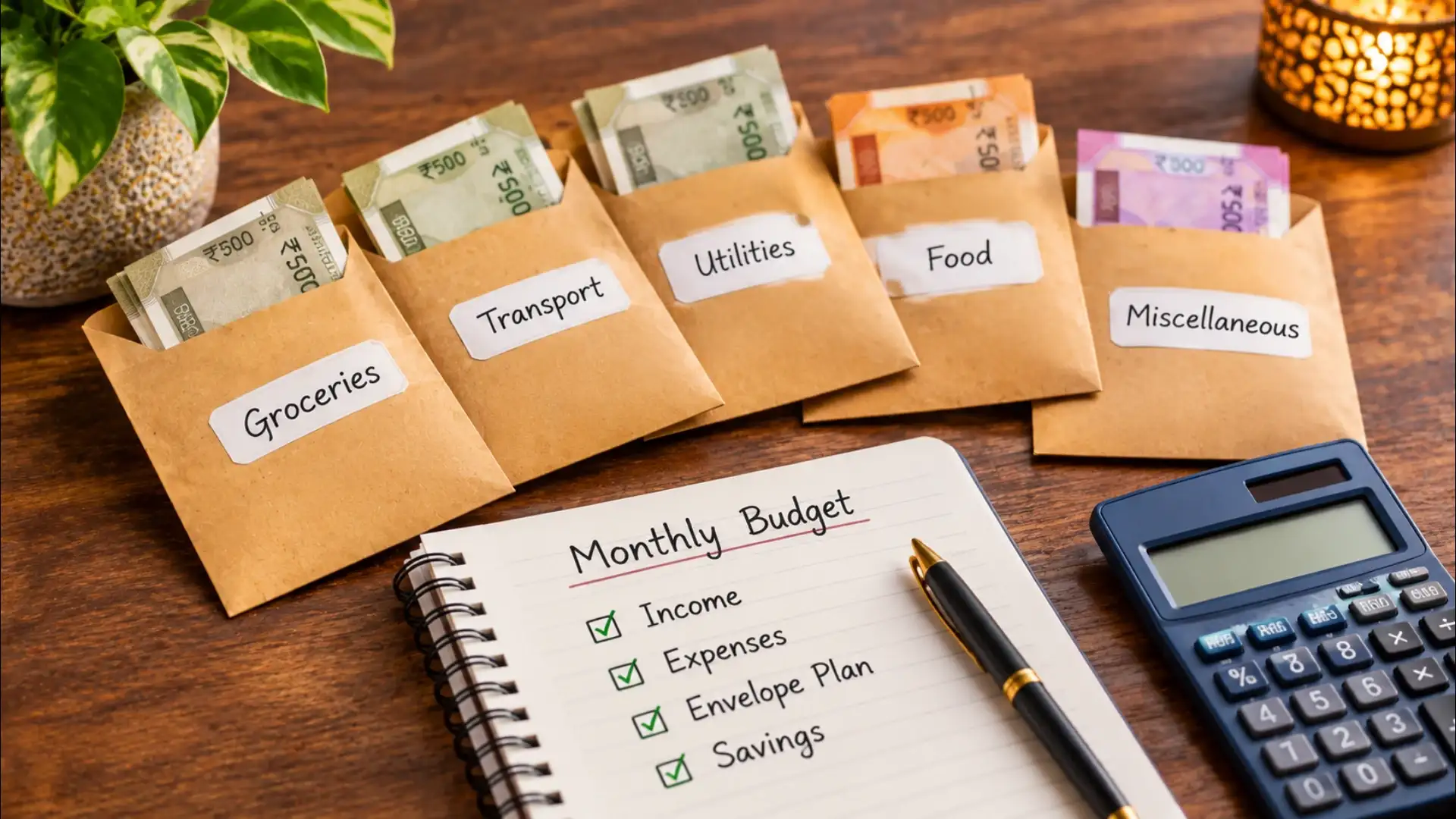
Traditionally, people used physical envelopes and placed a fixed amount of cash in each one. Today, the same method can be followed using a notebook, spreadsheet or budgeting application.
The aim is not to restrict every purchase. It is to make spending more visible and help households avoid using money intended for one purpose on something else.
List essential commitments first. These may include rent, loan repayments, school fees, utility bills and other payments that need to be made on time.
Keep these obligations separate from flexible spending categories.
For less predictable expenses, such as gifts or home purchases, create a separate category and build it gradually.
Do not allocate the entire available amount to everyday spending. Include savings and an emergency reserve in the plan where possible.
For digital budgeting, update the spreadsheet or application after each purchase. A simple record of the date, amount and category is enough to begin.
Review the balances during the month rather than waiting until the end. This makes it easier to notice when one category is being used faster than expected.
You may decide to postpone a non-essential purchase or move a small amount from another flexible category. Record the adjustment so that the final budget remains accurate.
Avoid moving money away from essential bills or planned commitments without understanding the consequences.
At the end of the month, compare planned amounts with actual spending. Use the information to make more realistic allocations for the following month.
The envelope method is useful because it turns an abstract monthly budget into visible spending limits. With regular tracking and small adjustments, it can help households make more deliberate decisions about their money.
Traditionally, people used physical envelopes and placed a fixed amount of cash in each one. Today, the same method can be followed using a notebook, spreadsheet or budgeting application.
The aim is not to restrict every purchase. It is to make spending more visible and help households avoid using money intended for one purpose on something else.
Start with your monthly income
Begin by calculating the income available for the month after regular deductions. If income changes from month to month, use a conservative estimate rather than planning around an unusually high month.List essential commitments first. These may include rent, loan repayments, school fees, utility bills and other payments that need to be made on time.
Keep these obligations separate from flexible spending categories.
Create spending categories
Next, divide the remaining amount into categories that reflect your household's routine. For example:- Groceries and household supplies
- Transport and fuel
- Dining out and entertainment
- Personal purchases
- Children's activities
- Gifts and special occasions
- Savings and planned expenses
Assign an amount to each category
Estimate how much each category requires by reviewing previous months' expenses. If grocery spending has been relatively stable, use that history to set a realistic limit.For less predictable expenses, such as gifts or home purchases, create a separate category and build it gradually.
Do not allocate the entire available amount to everyday spending. Include savings and an emergency reserve in the plan where possible.
Track every expense
Whenever you spend money, record it under the appropriate category. If you use physical envelopes, keep the remaining cash visible.For digital budgeting, update the spreadsheet or application after each purchase. A simple record of the date, amount and category is enough to begin.
Review the balances during the month rather than waiting until the end. This makes it easier to notice when one category is being used faster than expected.
You may also like
- 'Divine grace has no logic': Dr Jai Madaan on life, spirituality, humility and finding true prosperity
- Attention, UPI Users! Why Have Banks Issued a Warning to Fintech Companies?
- Gardening Tips: 5 Winter Vegetables You Can Easily Grow In Your Balcony
- Can Toxic Air Trigger a Heart Attack? Here's What Happens Inside Your Blood Vessels
- Has ambition become unfashionable to Gen Z?
What happens when an envelope is empty?
If the money assigned to a category runs out, pause and review the remaining budget before spending more.You may decide to postpone a non-essential purchase or move a small amount from another flexible category. Record the adjustment so that the final budget remains accurate.
Avoid moving money away from essential bills or planned commitments without understanding the consequences.
Review and adjust every month
The first budget may not be perfect. Some categories may need more money, while others may have been overestimated.At the end of the month, compare planned amounts with actual spending. Use the information to make more realistic allocations for the following month.
The envelope method is useful because it turns an abstract monthly budget into visible spending limits. With regular tracking and small adjustments, it can help households make more deliberate decisions about their money.






Loving Newspoint? Download the app now