
Essential Safety Tips For Living Alone: Simple Habits That Can Help You Stay Secure Every Day

Living alone can be comfortable and empowering, but being solely responsible for your own safety means preparation matters. From checking locks before bed to knowing whom to contact during an emergency, small habits can make a meaningful difference. People living alone may also benefit from thinking ahead about situations such as power cuts, medical emergencies, suspicious visitors or unexpected maintenance workers. According to safety experts, the goal is not to live in constant fear but to develop simple routines that make potential problems easier to manage. A secure home, reliable communication and sensible awareness can provide greater peace of mind.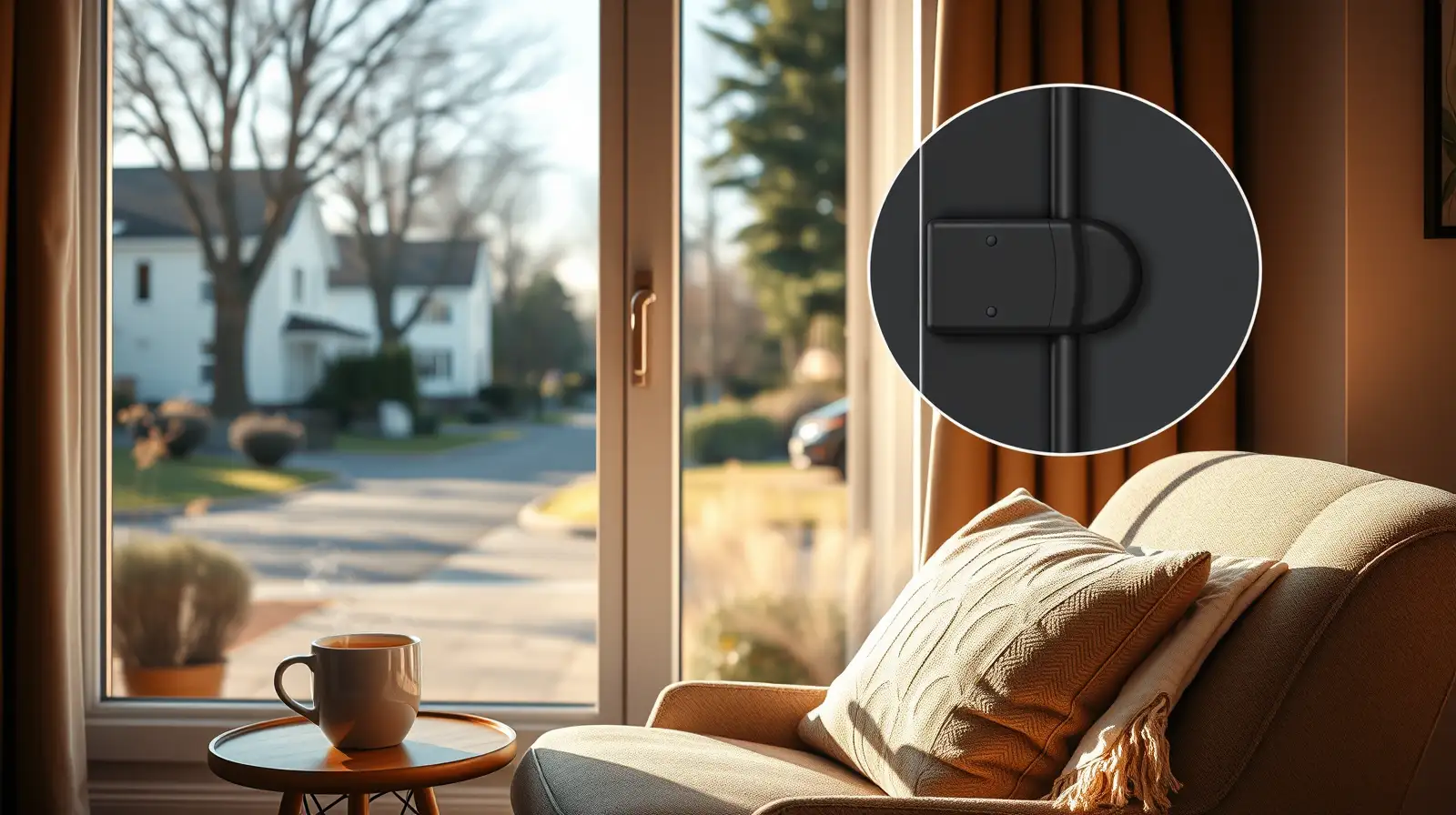
A peephole, door viewer or suitable security camera can help you identify visitors before opening the door. Never feel pressured to let an unknown person inside simply because they claim to represent a service or delivery company.
It can also help to tell a trusted person when you expect to return from a late journey or when you are travelling somewhere unfamiliar.
When ordering deliveries or arranging services, use established providers and verify unexpected requests for access or personal information.
According to emergency-preparedness specialists, having a simple plan can make it easier to respond calmly when something goes wrong.
If a situation feels unsafe, move towards a busy or well-lit location and contact someone you trust. Building these habits into everyday life can help make independent living safer without making it unnecessarily restrictive.
Secure Your Home
Start with the basics. Make sure doors and windows have functioning locks and avoid leaving spare keys in obvious outdoor locations. If you rent your home, check whether locks can be upgraded with the landlord's permission.A peephole, door viewer or suitable security camera can help you identify visitors before opening the door. Never feel pressured to let an unknown person inside simply because they claim to represent a service or delivery company.
Keep Emergency Contacts Ready
Save important numbers on your phone and keep a written list somewhere accessible in case your phone becomes unavailable. Include trusted family members, friends, building security, local emergency services and other relevant contacts.It can also help to tell a trusted person when you expect to return from a late journey or when you are travelling somewhere unfamiliar.
Protect Personal Information
People living alone should be particularly careful about revealing details that could indicate they are away from home. Avoid publicly sharing information about your daily routine, travel plans or periods when your home will be empty.When ordering deliveries or arranging services, use established providers and verify unexpected requests for access or personal information.
Prepare For Emergencies
Keep basic supplies such as a torch, batteries, a first-aid kit, essential medicines and drinking water readily available. Know where the main electricity switch, gas supply and water shut-off points are, if applicable.According to emergency-preparedness specialists, having a simple plan can make it easier to respond calmly when something goes wrong.
Stay Alert Outside The Home
Personal safety also matters beyond your front door. Keep your phone accessible when travelling alone, particularly at night, and stay aware of your surroundings rather than becoming completely absorbed in your device.If a situation feels unsafe, move towards a busy or well-lit location and contact someone you trust. Building these habits into everyday life can help make independent living safer without making it unnecessarily restrictive.
Next Story