
Harmony In Design: 5 Expert Tips For A Balanced Home Makeover

In the realm of interior design, harmony is the key to creating spaces that exude balance, tranquillity, and a sense of cohesion. Whether you're revamping your living room, bedroom, or entire home, achieving harmony in design is essential for creating an environment that promotes well being and comfort. However, finding the perfect balance between elements such as colour, texture, and layout can be daunting. Fear not!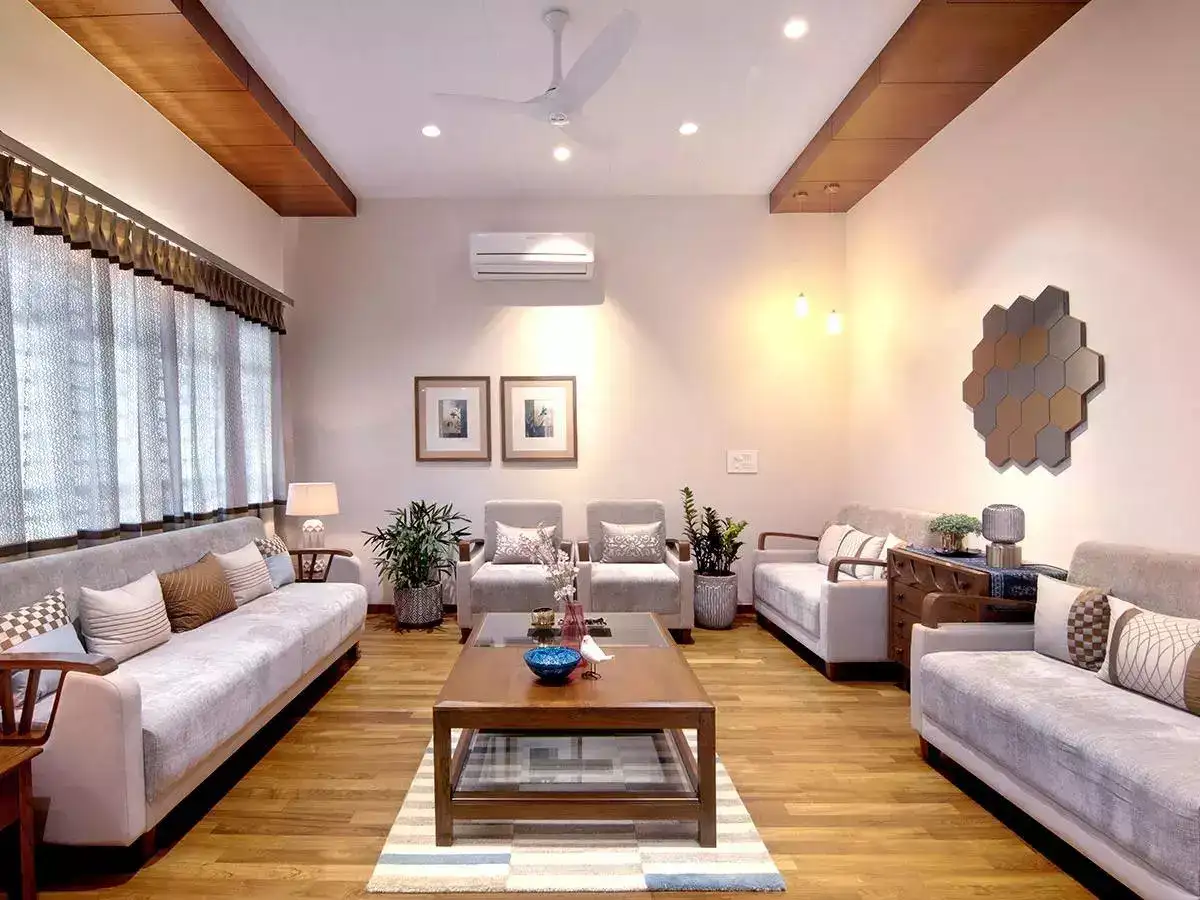
Achieving harmony in interior design is a delicate balancing act that requires careful consideration of various elements. By following these five expert tips, you can transform your space into a haven of balance, beauty, and tranquillity. From selecting a unified colour palette to fostering flow with thoughtful layouts, each step contributes to the overall harmony of your home makeover. Embrace the art of balance and let harmony reign supreme in your interior design journey.
1. Start with a Unified Colour Palette
The foundation of any harmonious interior design scheme lies in the careful selection of colours. Begin by choosing a unified colour palette that sets the tone for your space. Whether you opt for soothing neutrals, vibrant hues, or a combination of both, ensure that the colours complement each other and evoke the mood you desire. Consider using a mix of shades within the same colour family to add depth and visual interest while maintaining coherence throughout the room.
2. Embrace Balance in Scale and Proportion
Achieving harmony in interior design also involves striking a balance in scale and proportion. Avoid overcrowding a room with oversized furniture or overwhelming it with tiny pieces that get lost in the space.
Instead, aim for a mix of furniture and décor elements that vary in size and scale, creating visual interest while maintaining a sense of equilibrium. Pay attention to the proportions of each item in relation to the overall space to ensure a harmonious composition that feels both inviting and balanced.
3. Curate a Thoughtful Mix of Textures
Texture plays a pivotal role in adding depth and dimension to your interior design scheme. Introduce a variety of textures, such as plush fabrics, sleek metals, natural wood, and tactile textiles, to create a multi-dimensional sensory experience. Aim for a balanced mix of textures that not only appeal to the eye but also invite touch, enriching the tactile experience of your space. Whether it's a cosy knitted throw, a glossy ceramic vase, or a rough-hewn wooden coffee table, each texture contributes to the overall harmony of your design.
4. Foster Flow with Thoughtful Layouts
A harmonious interior design is one that promotes a seamless flow between spaces, allowing movement and connectivity throughout your home. Thoughtful layout planning is crucial in achieving this sense of fluidity and coherence.
Consider the function of each room and how it interacts with adjacent spaces, ensuring smooth transitions and logical pathways. Arrange furniture in a way that encourages conversation and social interaction while maintaining a sense of openness and balance. By fostering flow in your layout, you'll create a harmonious environment that feels both cohesive and welcoming.
5. Cultivate Symmetry and Asymmetry
Harmony in interior design can be achieved through both symmetry and asymmetry, each lending its own unique charm to a space. While symmetrical arrangements create a sense of order and stability, asymmetrical compositions add a dynamic and eclectic touch.
Experiment with both approaches to find the perfect balance for your aesthetic preferences. Whether it's pairing identical armchairs on either side of a fireplace or juxtaposing mismatched artwork on a gallery wall, embrace the beauty of symmetry and asymmetry to create a harmonious design that reflects your personal style.
Achieving harmony in interior design is a delicate balancing act that requires careful consideration of various elements. By following these five expert tips, you can transform your space into a haven of balance, beauty, and tranquillity. From selecting a unified colour palette to fostering flow with thoughtful layouts, each step contributes to the overall harmony of your home makeover. Embrace the art of balance and let harmony reign supreme in your interior design journey.
1. Start with a Unified Colour Palette
The foundation of any harmonious interior design scheme lies in the careful selection of colours. Begin by choosing a unified colour palette that sets the tone for your space. Whether you opt for soothing neutrals, vibrant hues, or a combination of both, ensure that the colours complement each other and evoke the mood you desire. Consider using a mix of shades within the same colour family to add depth and visual interest while maintaining coherence throughout the room.
2. Embrace Balance in Scale and Proportion
Achieving harmony in interior design also involves striking a balance in scale and proportion. Avoid overcrowding a room with oversized furniture or overwhelming it with tiny pieces that get lost in the space.
Instead, aim for a mix of furniture and décor elements that vary in size and scale, creating visual interest while maintaining a sense of equilibrium. Pay attention to the proportions of each item in relation to the overall space to ensure a harmonious composition that feels both inviting and balanced.
3. Curate a Thoughtful Mix of Textures
Texture plays a pivotal role in adding depth and dimension to your interior design scheme. Introduce a variety of textures, such as plush fabrics, sleek metals, natural wood, and tactile textiles, to create a multi-dimensional sensory experience. Aim for a balanced mix of textures that not only appeal to the eye but also invite touch, enriching the tactile experience of your space. Whether it's a cosy knitted throw, a glossy ceramic vase, or a rough-hewn wooden coffee table, each texture contributes to the overall harmony of your design.
4. Foster Flow with Thoughtful Layouts
A harmonious interior design is one that promotes a seamless flow between spaces, allowing movement and connectivity throughout your home. Thoughtful layout planning is crucial in achieving this sense of fluidity and coherence.
Consider the function of each room and how it interacts with adjacent spaces, ensuring smooth transitions and logical pathways. Arrange furniture in a way that encourages conversation and social interaction while maintaining a sense of openness and balance. By fostering flow in your layout, you'll create a harmonious environment that feels both cohesive and welcoming.
5. Cultivate Symmetry and Asymmetry
Harmony in interior design can be achieved through both symmetry and asymmetry, each lending its own unique charm to a space. While symmetrical arrangements create a sense of order and stability, asymmetrical compositions add a dynamic and eclectic touch.
Experiment with both approaches to find the perfect balance for your aesthetic preferences. Whether it's pairing identical armchairs on either side of a fireplace or juxtaposing mismatched artwork on a gallery wall, embrace the beauty of symmetry and asymmetry to create a harmonious design that reflects your personal style.
Next Story