
How to Make a Long Train Ride Easier for Elderly Parents

The moment the ticket is booked, the real work begins. A long train journey with an ageing parent is not just a logistics problem, it is a question of comfort, dignity, and knowing which small things matter more than they appear to.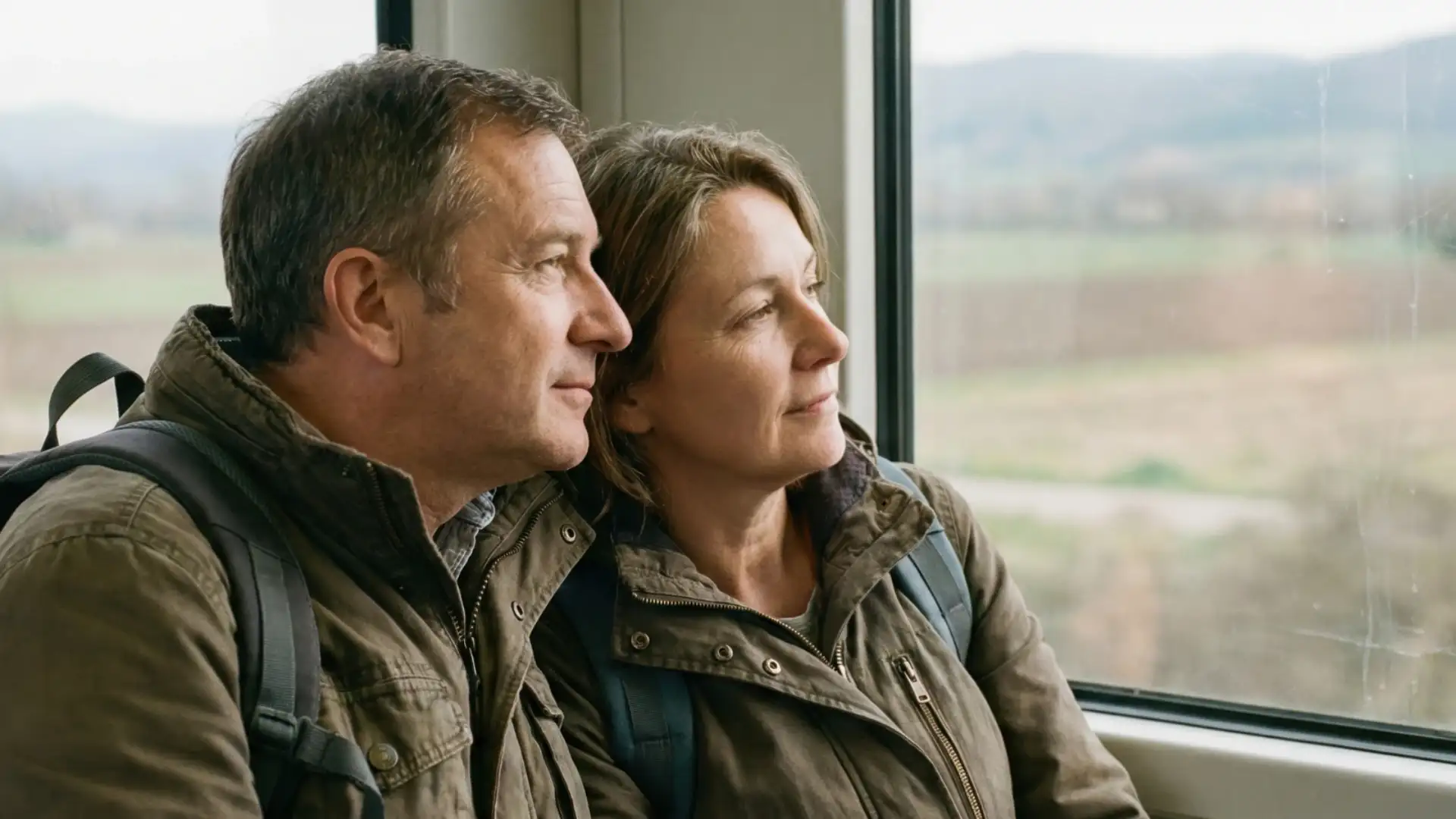
Book the Right Berth, Not Just Any Berth
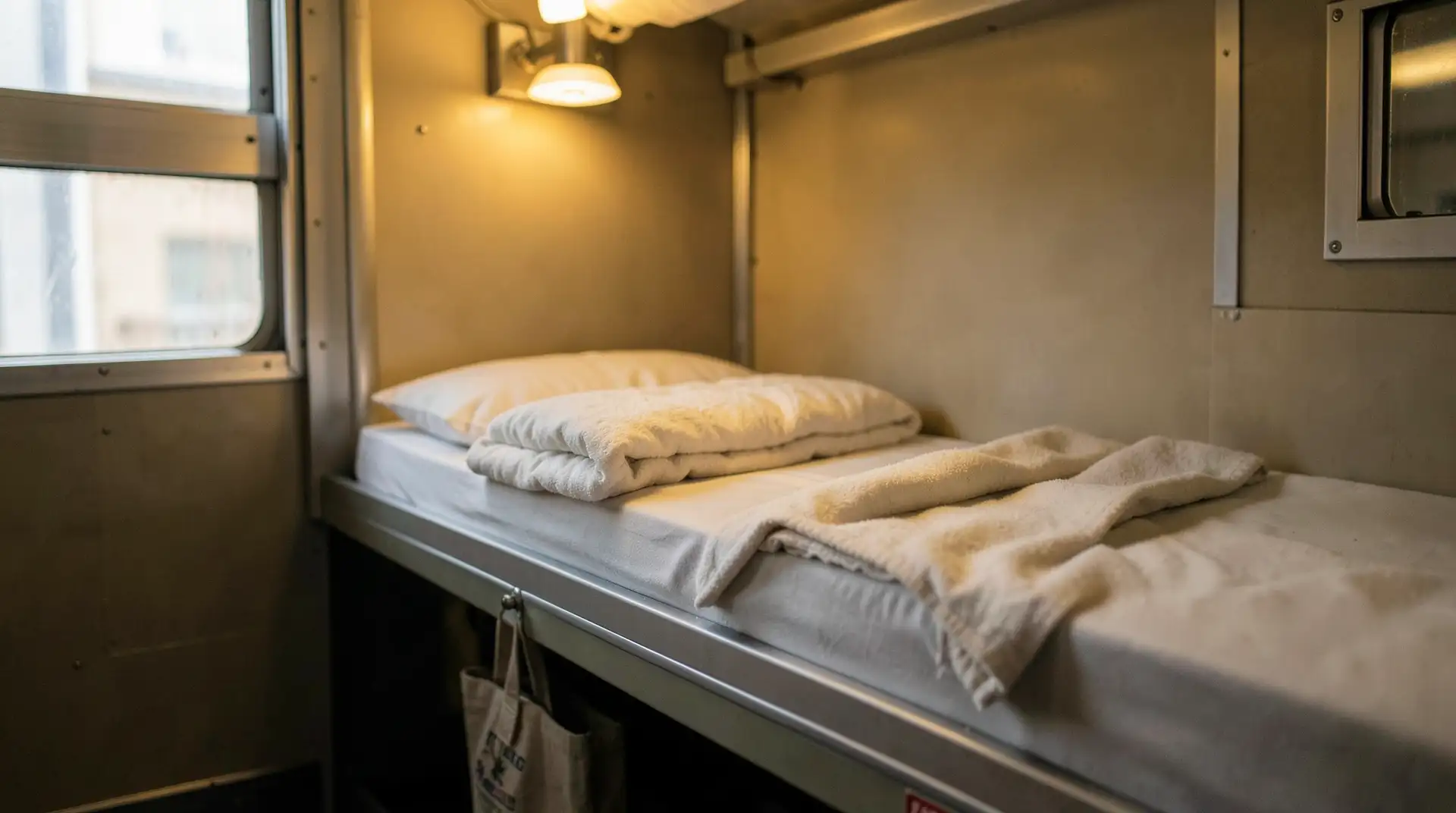
The lower berth is the obvious choice, and it is obvious for good reason. Climbing to a middle or upper berth in the dark, on a moving train, is genuinely dangerous for someone with stiff knees or uncertain balance. Book lower berths early, and if the train has a side-lower option, that works well too, it is away from the main aisle traffic and slightly quieter.For very long journeys, a first-class or AC two-tier compartment reduces the number of strangers sharing the space, which matters for sleep quality and for a parent who tires easily from social interaction. The extra cost is not indulgence; it is recovery time.Pack a Separate Small Bag for the Journey Itself
The large checked luggage goes into the overhead rack or under the berth and stays there. What your parent needs during travel, medicines, a light shawl, a water bottle, a phone charger, a small snack, should live in one small bag that sits beside them at all times.Organise medicines by time of day in a pill organiser, not loose in a pouch. A missed dose on a train is harder to recover from than at home. Write the dosing schedule on a small card and keep it with the organiser. If your parent manages their own medicines, this lets them do it without asking you for help every time, which most people prefer.A thin cotton shawl or a light blanket from home is worth carrying even in warm weather. Train air conditioning is unpredictable, and a familiar blanket from home is a small comfort that costs nothing.Handle Food and Water with More Care Than Usual
Station food is convenient but inconsistent. For an elderly parent with a sensitive stomach, dietary restrictions, or a condition that requires specific meals, carrying home-cooked food for at least the first meal on the train removes a significant variable.Water is the most important thing. Older adults often drink less than they should, partly from habit and partly because they worry about needing the toilet on a moving train. Reassure them about the toilet situation early, and make sure they are drinking regularly. Dehydration on a long journey shows up as fatigue and confusion, and it can look like something more serious than it is.For hot food or tea, most long-distance trains in India have a pantry car or a service trolley. Knowing the schedule of the trolley, it usually comes through at predictable intervals, means your parent is not waiting and wondering.Make the Berth Feel Like a Settled Space
Elderly travellers often sleep poorly in unfamiliar environments. A small pillow from home, or even a familiar pillowcase over the train pillow, can help. Position the bag so everything they might need at night is within reach without getting up, phone, water, a small torch if the compartment light goes off.If your parent uses a hearing aid, glasses, or a walking stick, establish one fixed spot for these before the journey starts. On a moving train in the dark, a misplaced hearing aid becomes a genuine crisis. A small cloth pouch hung from the berth hook or kept in one consistent pocket of the travel bag solves this before it starts.For parents who find it hard to sit for long stretches, a short walk to the end of the carriage and back every couple of hours helps circulation and breaks the monotony. Do this together when you can.Plan for the Arrival, Not Just the Departure
The end of a long journey is when fatigue peaks and mistakes happen. Know in advance whether the platform at the destination is level with the train door or requires steps. Many older stations have a significant gap. A porter booked through the station's official service is worth it, carrying luggage while steadying a tired parent on a crowded platform is genuinely difficult to do alone.If someone is picking you up, confirm the pickup point the night before and again an hour before arrival. Waiting on a crowded platform after a long journey is exhausting for anyone, and it is more so for an elderly person who has been sitting for twelve or sixteen hours.The journey does not end when the train stops. It ends when your parent is seated somewhere quiet with a glass of water. That is the moment to aim for.Next Story