
Thinking About Adopting a Street Dog? Read This First

Adopting a street dog can be one of the most rewarding decisions a person can make. A dog that has spent months or even years navigating roads, markets and neighbourhoods can become a loving and loyal companion once it has a safe home.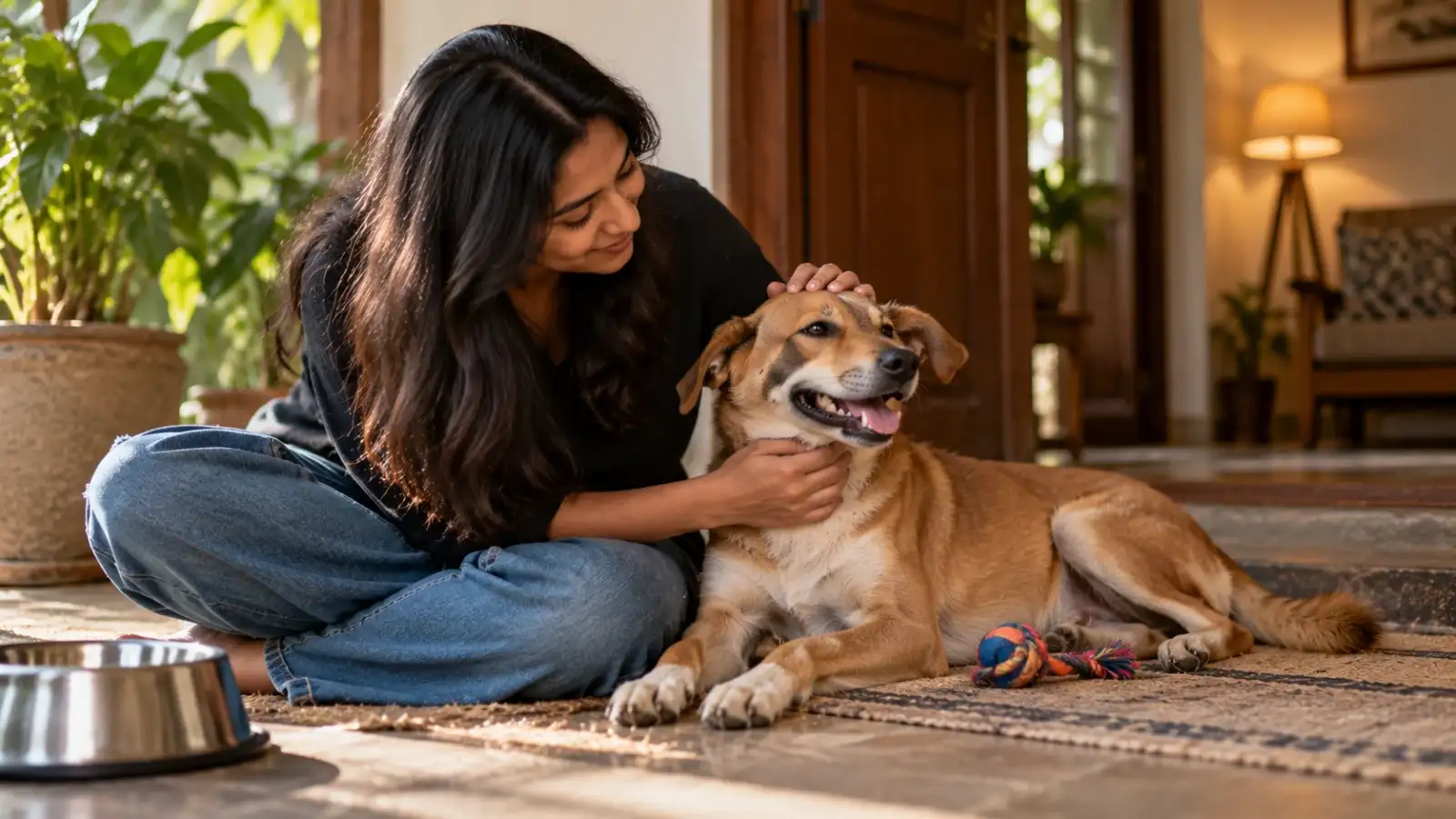
But bringing a street dog home is not simply about offering food and a comfortable bed. The dog may need time to understand its new surroundings, learn household routines and become comfortable around people.
If you are considering adoption, knowing what to expect can make the transition easier for both you and the dog.
Everything inside a house can be unfamiliar, including doors, stairs, fans, television sounds, kitchen appliances and even certain types of flooring. Some dogs may hide at first, while others may constantly follow their new owner.
Try not to expect instant affection or obedience. Give the dog a quiet area where it can retreat and allow it to explore the house at its own pace.
Building trust can take days or weeks, and sometimes longer.
The dog can be examined for general health, parasites, injuries and other problems that may not be obvious at first. The veterinarian can also advise you about vaccinations, deworming, sterilisation and future preventive care.
If you already have another pet at home, ask the veterinarian about introducing them safely and whether any additional precautions are needed.
Keeping medical records from the beginning will also make future care much easier.
Some are extremely social and quickly become comfortable around people. Others may be nervous, cautious or uncomfortable with sudden movements. A dog that has experienced harsh treatment may need considerably more patience.
Pay attention to body language. Avoid forcing hugs, picking up the dog repeatedly or introducing too many visitors immediately.
Let the dog show you when it is ready for more interaction.
Accidents during the first few days are completely possible. Instead of scolding the dog, establish a consistent routine for walks and toilet breaks.
Taking the dog outside at regular times, particularly after meals and sleeping, can help it learn faster.
Praise good behaviour and keep the routine predictable.
Your newly adopted dog may eat too quickly, beg for food or show strong interest in things around the kitchen. Some dogs may also have sensitive stomachs after suddenly switching from whatever food they were previously eating.
Ask a veterinarian about an appropriate diet and make dietary changes gradually.
Always keep clean drinking water available.
Start with simple instructions and reward behaviours you want to encourage.
Avoid shouting, hitting or using fear as a training method. Apart from being harmful, harsh treatment can make a nervous dog even more anxious and can damage the trust you are trying to build.
Short, regular training sessions are generally easier for a new dog to handle.
The dog will need food, veterinary care, exercise, attention and companionship for years. There may also be unexpected expenses, particularly if the dog develops an illness or suffers an injury.
Before adopting, think about your daily schedule, living arrangements, finances and whether everyone in your household is comfortable with having a dog.
If you are prepared for the responsibility, adopting a street dog can be deeply rewarding. Watching a cautious dog slowly become confident, playful and comfortable in its new home is something that takes time, but can be incredibly special.
But bringing a street dog home is not simply about offering food and a comfortable bed. The dog may need time to understand its new surroundings, learn household routines and become comfortable around people.
If you are considering adoption, knowing what to expect can make the transition easier for both you and the dog.
Give the Dog Time to Adjust
A street dog may not immediately behave like a dog that has grown up in a home.Everything inside a house can be unfamiliar, including doors, stairs, fans, television sounds, kitchen appliances and even certain types of flooring. Some dogs may hide at first, while others may constantly follow their new owner.
Try not to expect instant affection or obedience. Give the dog a quiet area where it can retreat and allow it to explore the house at its own pace.
Building trust can take days or weeks, and sometimes longer.
A Veterinary Checkup Should Come Early
One of the first steps after adoption should be a visit to a veterinarian.The dog can be examined for general health, parasites, injuries and other problems that may not be obvious at first. The veterinarian can also advise you about vaccinations, deworming, sterilisation and future preventive care.
If you already have another pet at home, ask the veterinarian about introducing them safely and whether any additional precautions are needed.
Keeping medical records from the beginning will also make future care much easier.
Do Not Assume Every Street Dog Has the Same Personality
Street dogs are not one personality type.Some are extremely social and quickly become comfortable around people. Others may be nervous, cautious or uncomfortable with sudden movements. A dog that has experienced harsh treatment may need considerably more patience.
Pay attention to body language. Avoid forcing hugs, picking up the dog repeatedly or introducing too many visitors immediately.
Let the dog show you when it is ready for more interaction.
House Training May Take Some Patience
A dog that has lived outdoors may not understand where it is supposed to relieve itself inside a home.Accidents during the first few days are completely possible. Instead of scolding the dog, establish a consistent routine for walks and toilet breaks.
Taking the dog outside at regular times, particularly after meals and sleeping, can help it learn faster.
Praise good behaviour and keep the routine predictable.
Food Habits May Need to Change
Street dogs can sometimes develop unusual eating habits because they have had to eat whenever food was available.Your newly adopted dog may eat too quickly, beg for food or show strong interest in things around the kitchen. Some dogs may also have sensitive stomachs after suddenly switching from whatever food they were previously eating.
Ask a veterinarian about an appropriate diet and make dietary changes gradually.
Always keep clean drinking water available.
Training Should Be Gentle and Consistent
Adopting a street dog does not mean you have to accept unwanted behaviour forever. Dogs can learn household rules, basic commands and routines with patience.Start with simple instructions and reward behaviours you want to encourage.
Avoid shouting, hitting or using fear as a training method. Apart from being harmful, harsh treatment can make a nervous dog even more anxious and can damage the trust you are trying to build.
Short, regular training sessions are generally easier for a new dog to handle.
Be Prepared for a Long Term Commitment
Perhaps the most important thing to understand is that adoption is not a temporary arrangement.The dog will need food, veterinary care, exercise, attention and companionship for years. There may also be unexpected expenses, particularly if the dog develops an illness or suffers an injury.
Before adopting, think about your daily schedule, living arrangements, finances and whether everyone in your household is comfortable with having a dog.
If you are prepared for the responsibility, adopting a street dog can be deeply rewarding. Watching a cautious dog slowly become confident, playful and comfortable in its new home is something that takes time, but can be incredibly special.
Next Story