
Word Of The Day: Evanescent - Meaning, Usage And Examples

You may be familiar with the quote that says ‘Nothing lasts forever’, and there’s something quite tragic about things we cannot hold onto. At the same time, it also indicates that the most beautiful parts of life are often the most temporary. A moment exists fully only to disappear. The sun dissolving into light or a smile fading into silence - all of it feels a little “evanescent”.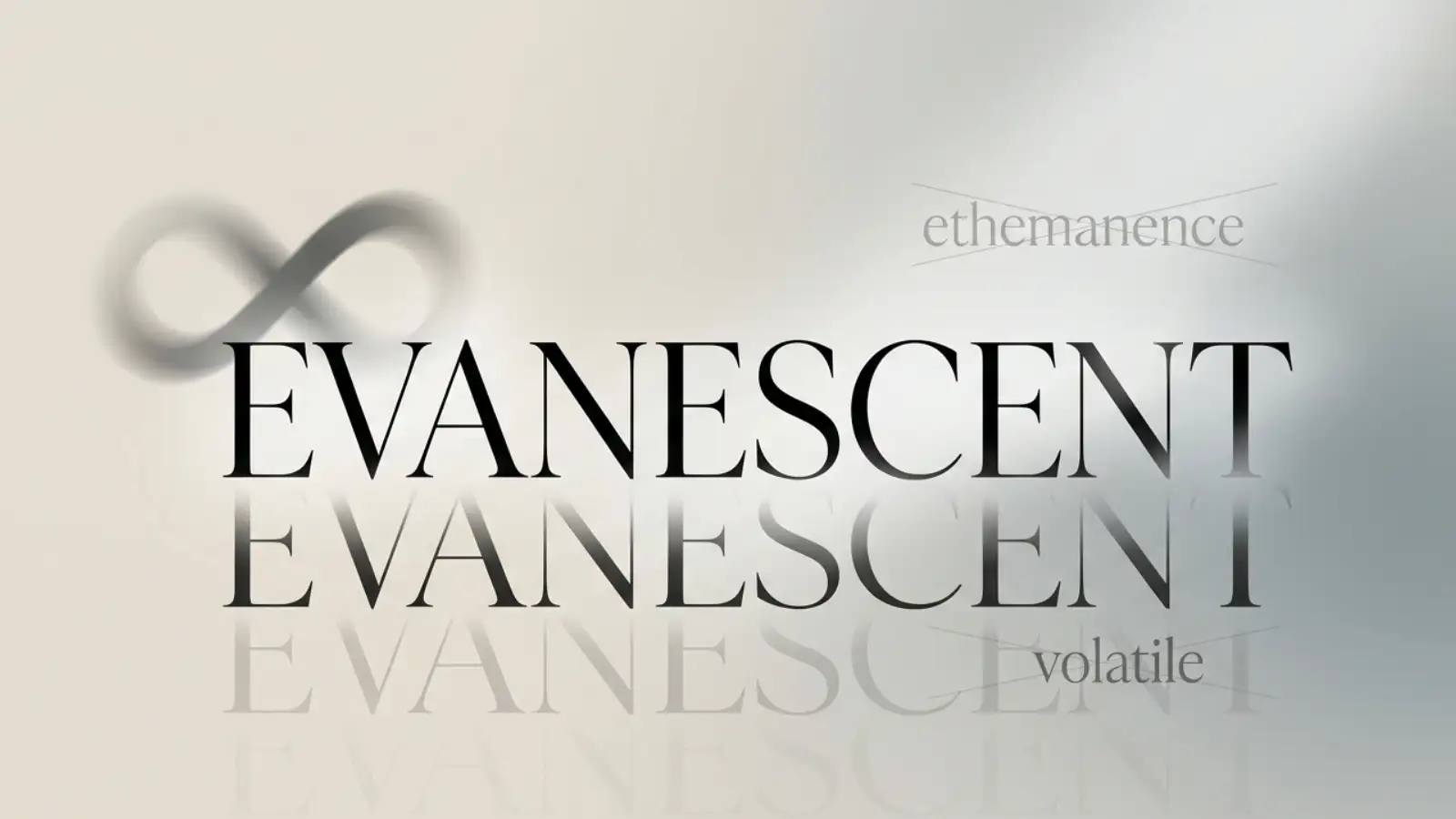
“Evanescent” is an adjective that simply means something that fades away quickly; it is short-lived or fleeting. This word is used for things that do not last long, such as a moment, a feeling, or even light.
From a historical perspective, the word entered English through the French word évanescent. It first appeared in English usage around 1717 and was initially used in scientific and literary contexts to describe things that fade away, such as vapor or light. Because the word vanescere shares a Latin root related to disappearance, people often mistakenly associate “evanescent” with “evaporate” due to their similar meaning and sound.
It is pronounced as ev-uh-NESS-uhnt.
The phonetic spelling is /ˌiːvəˈnesnt/.
“Evanescent” is an adjective that simply means something that fades away quickly; it is short-lived or fleeting. This word is used for things that do not last long, such as a moment, a feeling, or even light.
Origin
If we look at its linguistic origin, the word is derived from the Latin verb evanescere, which means "to vanish" or "to evaporate”. Here, ex is used as a prefix which means "out of" or "away," and vanescere means "to vanish".You may also like
- Cosmetic surgery on finance: What happens if you hate the results?
- Why Gold is Bought on Akshaya Tritiya: Mahabharata & Kubera Link
- Health Benefits of Star Anise Water: A Natural Remedy
- Effective Remedies to Lighten Dark Underarms and Thighs
- Natural Remedies: Garlic, Turmeric, and Cloves for 7 Health Issues
From a historical perspective, the word entered English through the French word évanescent. It first appeared in English usage around 1717 and was initially used in scientific and literary contexts to describe things that fade away, such as vapor or light. Because the word vanescere shares a Latin root related to disappearance, people often mistakenly associate “evanescent” with “evaporate” due to their similar meaning and sound.
Pronunciation Of Evanescent
It is pronounced as ev-uh-NESS-uhnt.
The phonetic spelling is /ˌiːvəˈnesnt/.
Synonyms Of Evanescent
- Fleeting
- Ephemeral
- Transient
- Momentary
- Vanishing
Antonyms Of Evanescent
- Permanent
- Lasting
- Enduring
- Eternal
- Perpetual
How Can You Use “Evanescent” In A Sentence
- The beauty of the moment was evanescent, fading almost as soon as it appeared.
- Happiness, in its purest form, often feels evanescent, slipping quietly through our grasp.
- The artist tried to capture an evanescent emotion that words could barely hold.
- Their conversation was brief yet meaningful, an evanescent connection that lingered in memory.
- Like morning mist, her worries seemed evanescent, dissolving with the rising sun.
Avoid These Mistakes
Avoid using this word for something that lasts long or is stable, as its meaning refers to something that fades away quickly. Overusing it can also weaken its impact because it is a strong and descriptive word. People often confuse it with similar words like "ethereal" or “volatile”, but evanescent specifically means short-lived. Using it without a clear subject can make it sound vague, as it works best when applied in a proper context.





More from our partners


Loving Newspoint? Download the app now
