
Iron-Rich Foods for Women: Everyday Ingredients to Include

Iron is an essential mineral that helps the body produce haemoglobin, a protein in red blood cells that carries oxygen. When iron intake is insufficient or the body loses too much iron, iron deficiency can develop.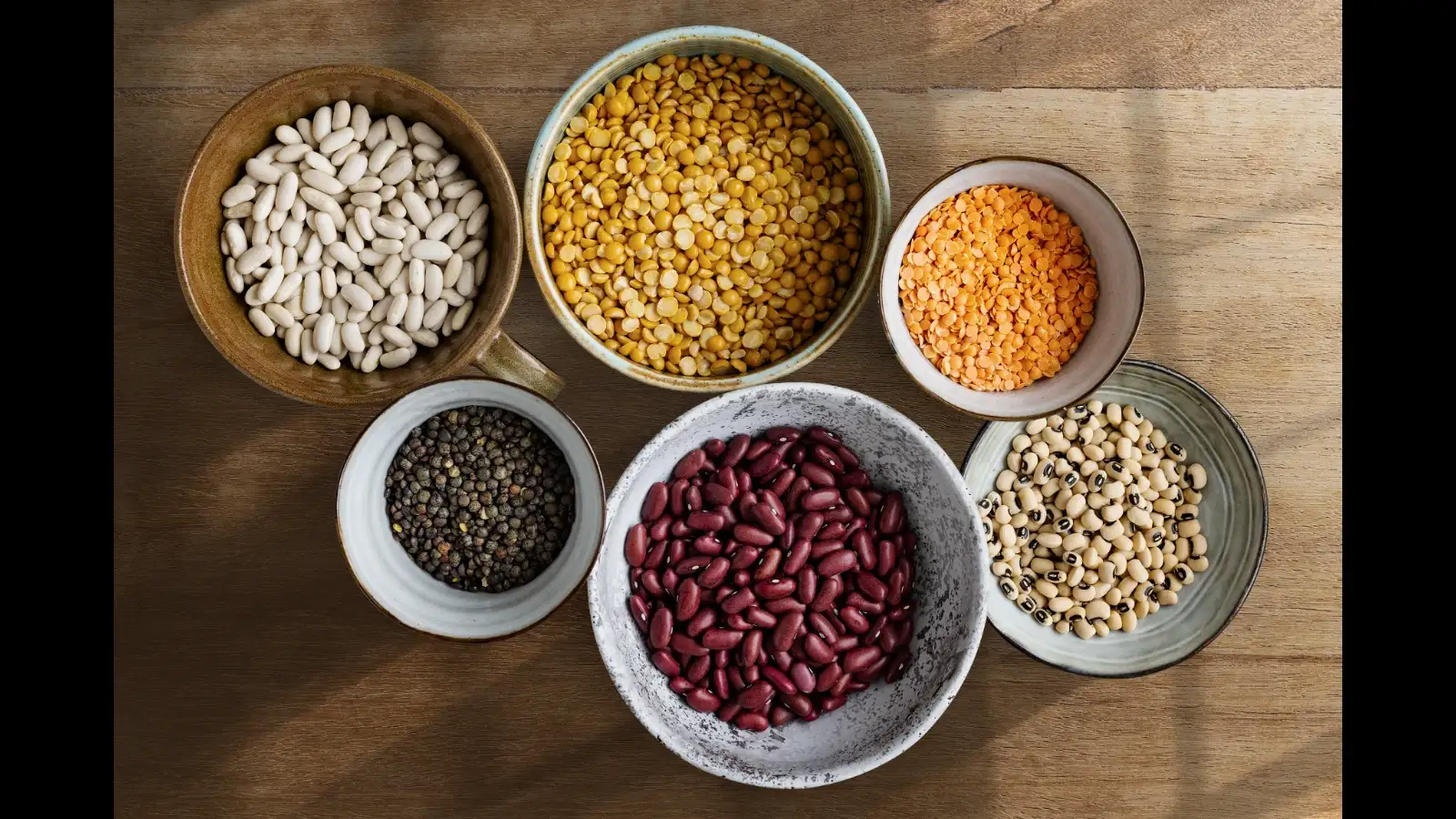
Women who menstruate may have higher iron requirements because of blood loss. Pregnancy can also increase iron needs. A varied diet containing iron-rich foods can help meet nutritional requirements, although food alone may not be enough to treat an established deficiency.
They can be added to dal, soups, curries, salads and vegetable dishes. Combining different pulses with whole grains and vegetables also helps create varied meals.
Soaking and cooking pulses properly improves their texture and can reduce certain compounds that interfere with mineral absorption.
However, the amount of iron absorbed from leafy vegetables is affected by the food's overall composition. Eating a wide variety of iron sources is more useful than depending on spinach alone.
Seeds and nuts are energy-dense, so portion sizes can be adjusted according to individual dietary needs.
They should be served in age-appropriate forms to young children to reduce choking risks.
For example, serve dal with a tomato-based dish, squeeze lemon over chickpeas or include guava alongside a meal.
This is a practical way to improve the nutritional value of vegetarian meals without relying on complicated recipes.
People who are at risk of iron deficiency may benefit from drinking them between meals rather than immediately alongside iron-rich food. The importance of timing depends on individual circumstances and overall dietary intake.
A healthcare professional can assess symptoms and arrange blood tests where appropriate. Heavy menstrual bleeding, pregnancy and certain digestive conditions may increase the risk of deficiency.
Do not start high-dose iron supplements without appropriate advice. Excess iron can be harmful, and the correct treatment depends on the cause and severity of the deficiency.
Women with heavy periods, pregnancy-related needs or symptoms of possible anaemia should discuss their individual requirements with a healthcare professional.
Diet can play an important role in maintaining iron intake, but persistent symptoms and confirmed deficiency deserve proper assessment rather than self-treatment.
Women who menstruate may have higher iron requirements because of blood loss. Pregnancy can also increase iron needs. A varied diet containing iron-rich foods can help meet nutritional requirements, although food alone may not be enough to treat an established deficiency.
1. Include Lentils and Beans
Lentils, chickpeas, kidney beans and other pulses provide plant-based iron, along with protein and fibre.They can be added to dal, soups, curries, salads and vegetable dishes. Combining different pulses with whole grains and vegetables also helps create varied meals.
Soaking and cooking pulses properly improves their texture and can reduce certain compounds that interfere with mineral absorption.
2. Add Green Leafy Vegetables
Spinach and other leafy vegetables contribute iron and several additional nutrients. They can be included in cooked dishes, dals, vegetable fillings or mixed meals.However, the amount of iron absorbed from leafy vegetables is affected by the food's overall composition. Eating a wide variety of iron sources is more useful than depending on spinach alone.
3. Choose Seeds and Nuts
Sesame seeds, pumpkin seeds and some nuts provide iron in addition to other nutrients. Sprinkle a small quantity over porridge, salads or cooked vegetables, or use them in homemade chutneys.Seeds and nuts are energy-dense, so portion sizes can be adjusted according to individual dietary needs.
They should be served in age-appropriate forms to young children to reduce choking risks.
4. Pair Plant-Based Iron With Vitamin C
Iron from plant foods is generally less readily absorbed than iron from animal sources. Vitamin C can improve the absorption of non-haem iron when both are consumed in the same meal.For example, serve dal with a tomato-based dish, squeeze lemon over chickpeas or include guava alongside a meal.
This is a practical way to improve the nutritional value of vegetarian meals without relying on complicated recipes.
5. Pay Attention to Tea and Coffee
Tea and coffee contain compounds that can reduce the absorption of non-haem iron when consumed with meals.You may also like
- Why 333 is called a growth number: How to know its importance in yourlife if its message resonates with you
- "If we apologize, the child will walk all over us!" It is this stubbornness on the part of parents that hollows out relationships..
- Gen-Z Embraces IV Drips for Energy Boost During Navratri Festivities
- Revitalize Your Skin Naturally with Multani Mitti: Effective Combinations for a Radiant Glow
- Essential Tips for Long-Lasting Makeup During Navratri Celebrations
People who are at risk of iron deficiency may benefit from drinking them between meals rather than immediately alongside iron-rich food. The importance of timing depends on individual circumstances and overall dietary intake.
6. Know When Food May Not Be Enough
Persistent tiredness, weakness, headaches, breathlessness on exertion or difficulty concentrating can occur with iron deficiency, but these symptoms have many possible causes.A healthcare professional can assess symptoms and arrange blood tests where appropriate. Heavy menstrual bleeding, pregnancy and certain digestive conditions may increase the risk of deficiency.
Do not start high-dose iron supplements without appropriate advice. Excess iron can be harmful, and the correct treatment depends on the cause and severity of the deficiency.
Build a Balanced Eating Pattern
A practical approach is to include pulses regularly, add vegetables to meals, use seeds where appropriate and combine plant-based iron sources with vitamin C-rich foods.Women with heavy periods, pregnancy-related needs or symptoms of possible anaemia should discuss their individual requirements with a healthcare professional.
Diet can play an important role in maintaining iron intake, but persistent symptoms and confirmed deficiency deserve proper assessment rather than self-treatment.






Loving Newspoint? Download the app now
