
7 Everyday Items You Should Replace More Often Than You Think

Many everyday household items are used for months or even years without being replaced. While some may still appear perfectly fine, regular use, moisture, dirt and wear can gradually affect their condition. Knowing when to replace these items can help maintain better hygiene and keep your home functioning smoothly.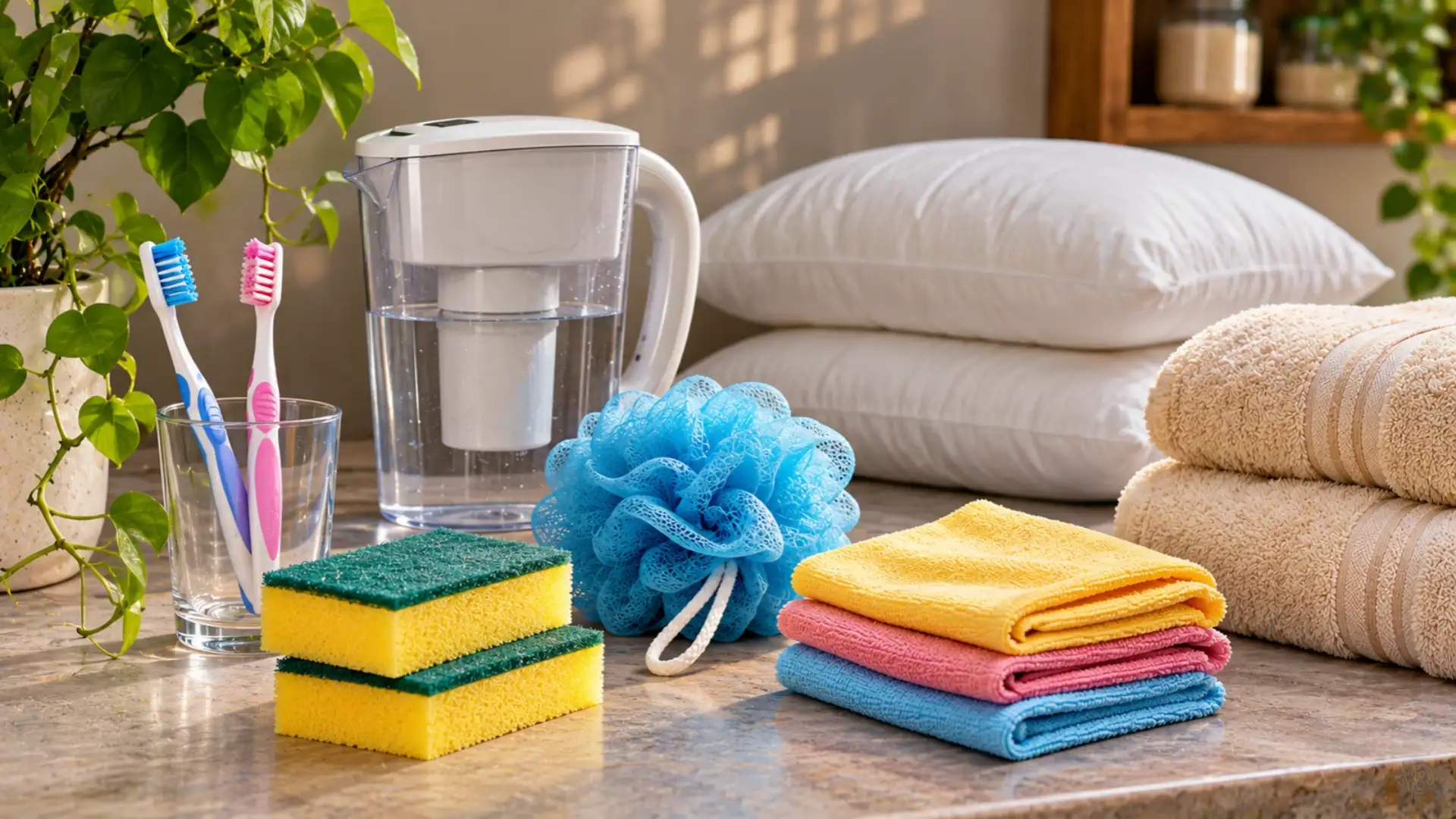
Here are seven everyday items you should replace more often than you might think.
Dentists generally recommend replacing your toothbrush every three to four months, or sooner if the bristles become worn out. If you have been ill, replacing your toothbrush afterwards may also be a sensible precaution.
Replace kitchen sponges frequently, ideally every one to two weeks depending on usage. If a sponge develops a persistent unpleasant smell, starts falling apart or remains dirty despite washing, it is time to discard it.
Replace synthetic bath poufs approximately every two months and natural loofahs more frequently, often around three to four weeks. If they develop a smell, visible mould or noticeable deterioration, replace them sooner. Always rinse them thoroughly and allow them to dry between uses.
A filter that is used beyond its recommended lifespan may not work as intended. Check the manufacturer's instructions for replacement intervals, capacity limits and warning indicators. If the water flow slows significantly or the filter's indicator signals replacement, do not ignore it.
Most pillows need replacing every one to two years, although the lifespan varies depending on the material and care. If your pillow becomes lumpy, develops a persistent smell, loses its shape or no longer supports your head comfortably, consider replacing it.
Wash cleaning cloths thoroughly after use, preferably separately from heavily soiled items when appropriate. Replace them if they develop persistent smells despite washing, become excessively worn, fray or lose their ability to absorb water and clean effectively.
Replace towels when they become rough, develop persistent odours, show signs of fraying or no longer absorb moisture effectively. Washing them regularly, drying them completely and avoiding excessive detergent can help extend their lifespan.
Here are seven everyday items you should replace more often than you might think.
1. Toothbrushes
Toothbrushes are used daily, but their bristles gradually lose their shape and effectiveness. Frayed bristles may not clean your teeth as efficiently, even if the toothbrush looks relatively clean.Dentists generally recommend replacing your toothbrush every three to four months, or sooner if the bristles become worn out. If you have been ill, replacing your toothbrush afterwards may also be a sensible precaution.
2. Kitchen Sponges
Kitchen sponges are constantly exposed to food particles, moisture and grease, making them a common source of bacterial buildup. Even regular rinsing may not remove everything trapped inside their porous structure.Replace kitchen sponges frequently, ideally every one to two weeks depending on usage. If a sponge develops a persistent unpleasant smell, starts falling apart or remains dirty despite washing, it is time to discard it.
3. Loofahs and Bath Sponges
Loofahs and bath sponges can trap dead skin cells, soap residue and moisture, particularly when left in damp bathrooms. Over time, this can encourage microbial growth.Replace synthetic bath poufs approximately every two months and natural loofahs more frequently, often around three to four weeks. If they develop a smell, visible mould or noticeable deterioration, replace them sooner. Always rinse them thoroughly and allow them to dry between uses.
4. Water Filters
Water filters are designed to remove certain impurities from drinking water, but their effectiveness depends on the type of filter and how much water passes through them.A filter that is used beyond its recommended lifespan may not work as intended. Check the manufacturer's instructions for replacement intervals, capacity limits and warning indicators. If the water flow slows significantly or the filter's indicator signals replacement, do not ignore it.
5. Pillows
Pillows collect sweat, dust, skin oils and other residues over time. Even with pillowcases and regular washing, they can gradually lose their support and shape.Most pillows need replacing every one to two years, although the lifespan varies depending on the material and care. If your pillow becomes lumpy, develops a persistent smell, loses its shape or no longer supports your head comfortably, consider replacing it.
6. Reusable Cleaning Cloths
Reusable cleaning cloths are an affordable and convenient alternative to disposable wipes, but they need proper maintenance. Frequent use can leave them with accumulated dirt, grease and unpleasant odours.Wash cleaning cloths thoroughly after use, preferably separately from heavily soiled items when appropriate. Replace them if they develop persistent smells despite washing, become excessively worn, fray or lose their ability to absorb water and clean effectively.
7. Bathroom Towels
Bathroom towels are used frequently and absorb moisture every day. Over time, detergent residue, accumulated oils and repeated washing can affect their softness, absorbency and freshness.Replace towels when they become rough, develop persistent odours, show signs of fraying or no longer absorb moisture effectively. Washing them regularly, drying them completely and avoiding excessive detergent can help extend their lifespan.
Final Thoughts
Replacing everyday household items at the right time is a simple way to maintain cleanliness, comfort and better hygiene. From toothbrushes and kitchen sponges to pillows and cleaning cloths, paying attention to signs of wear can help you avoid using items long after they have stopped functioning effectively.Next Story