
Everyday Road Safety Habits Every Motorist Should Know

Road safety is often discussed after an accident, but the most effective safety measures are the ones followed long before anything goes wrong. Simple habits such as wearing a seat belt, checking mirrors, maintaining a safe distance and avoiding distractions can dramatically reduce everyday driving risks. The World Health Organisation estimates that around 1.19 million people die each year in road traffic crashes worldwide, making road safety one of the most important everyday public health concerns. (who.int) Many serious incidents do not begin with a dramatic mistake. They can start with something as ordinary as checking a phone or following another vehicle too closely.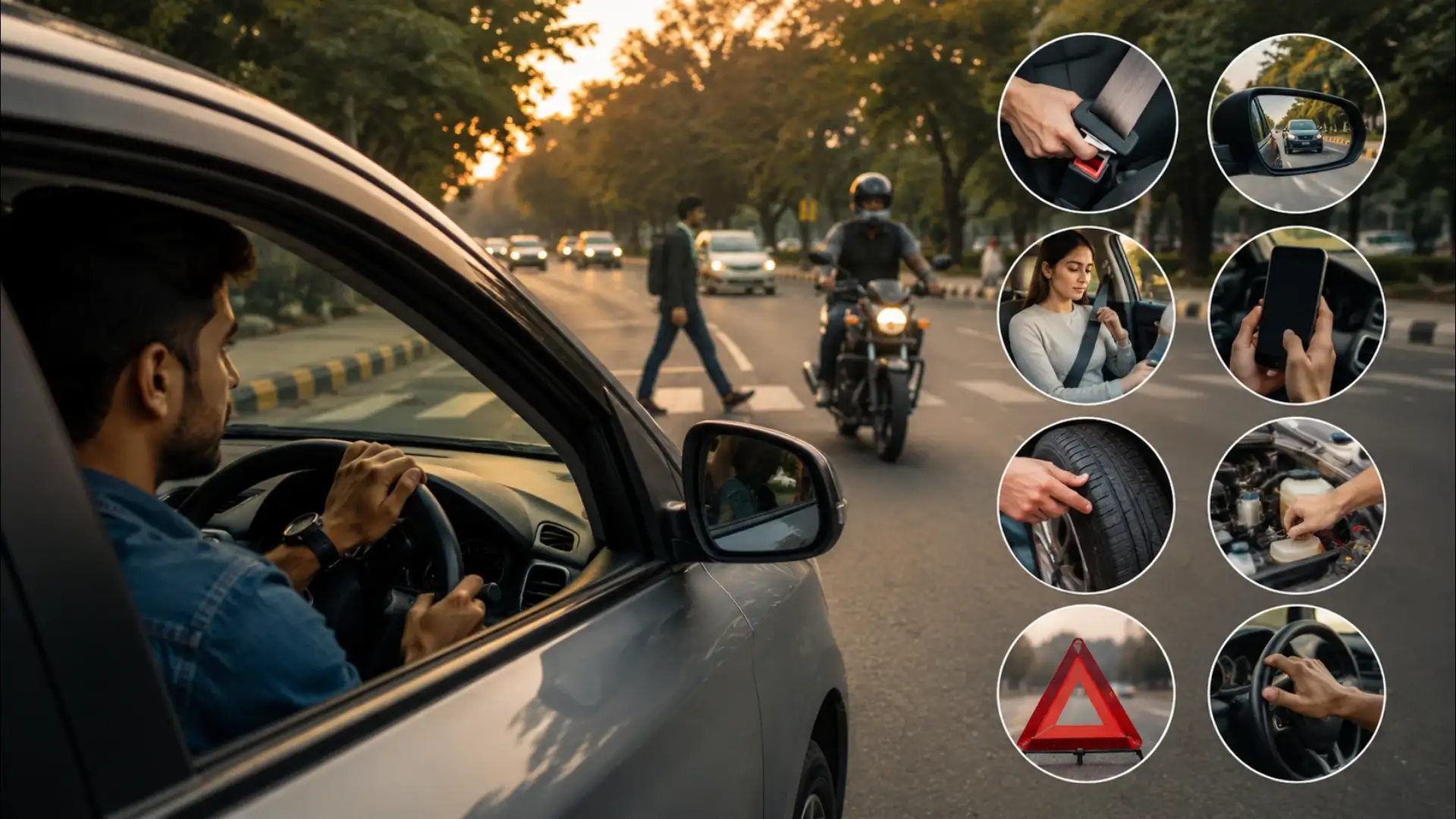
Make wearing a seat belt automatic, even when travelling a short distance. In many cities, people are more likely to skip it on familiar roads because the journey feels routine.
Keep your phone out of reach while driving. If navigation is necessary, set the route before starting and use voice guidance where possible. Pull over safely if you need to make a call or change the route manually.
The exact distance depends on speed, weather and road conditions. Wet roads, poor visibility and heavy traffic all require greater caution.
Higher speeds also reduce the time available to identify hazards and increase the severity of collisions. Staying within the limit is therefore a basic road safety habit rather than merely a legal requirement.
Before changing lanes, turning or slowing down significantly, check the relevant mirrors and blind spots. A quick glance can reveal a vehicle, cyclist or motorbike that may not be obvious from the front.
Take regular breaks on longer journeys. If you feel sleepy, stopping somewhere safe is far better than trying to finish the journey quickly.
Giving vulnerable road users extra space is a small habit that can have a major impact.
If another driver behaves unpredictably, create distance rather than escalating the situation. Defensive driving is largely about anticipating mistakes made by others.
The important point is simple: safe driving is not about being unusually cautious every minute. It is about developing ordinary habits that continue even when the road appears completely normal.
Always Wear Your Seat Belt
A seat belt remains one of the simplest and most effective safety devices inside a vehicle. It helps prevent occupants from being thrown forward during a crash and reduces the risk of serious injury.Make wearing a seat belt automatic, even when travelling a short distance. In many cities, people are more likely to skip it on familiar roads because the journey feels routine.
Put the Phone Away
Mobile phones have become one of the biggest distractions for drivers. A message can wait, but traffic conditions can change in seconds.Keep your phone out of reach while driving. If navigation is necessary, set the route before starting and use voice guidance where possible. Pull over safely if you need to make a call or change the route manually.
Maintain a Safe Following Distance
Driving too close to the vehicle ahead leaves very little time to react when traffic suddenly slows. Maintaining a reasonable gap gives you additional reaction time and can make emergency braking safer.The exact distance depends on speed, weather and road conditions. Wet roads, poor visibility and heavy traffic all require greater caution.
Follow Speed Limits
Speed limits are not simply numbers on roadside signs. They are designed around factors such as road layout, traffic movement and surrounding risks.Higher speeds also reduce the time available to identify hazards and increase the severity of collisions. Staying within the limit is therefore a basic road safety habit rather than merely a legal requirement.
You may also like
- Chanakya Niti: Never Feel Ashamed of These 3 Things in Life, Says Chanakya
- Do You Really Need to Shower Every Day? Your Skin Type and Lifestyle Matter More Than You Think
- Start Your Day With Protein: 4 Easy Chickpea and Paneer Breakfast Recipes
- Dandruff Disappears After Shampooing but Comes Back Again? Here's Why It Keeps Returning
- Red Meat Explained: What It Contains, Its Nutritional Value and How It Differs From White Meat
Check Mirrors Regularly
Good drivers do not only watch what is directly ahead. Regular mirror checks help them understand what is happening around the vehicle.Before changing lanes, turning or slowing down significantly, check the relevant mirrors and blind spots. A quick glance can reveal a vehicle, cyclist or motorbike that may not be obvious from the front.
Do Not Drive When Tired
Fatigue can quietly affect concentration and reaction time. Long-distance driving is particularly risky when drivers underestimate how tired they have become.Take regular breaks on longer journeys. If you feel sleepy, stopping somewhere safe is far better than trying to finish the journey quickly.
Be Extra Careful Around Vulnerable Road Users
Pedestrians, cyclists, motorcyclists and children can be harder to see and have little protection in a collision. Slow down around crossings, schools, residential areas and busy junctions.Giving vulnerable road users extra space is a small habit that can have a major impact.
Stay Calm in Difficult Traffic
Aggressive driving rarely solves a traffic problem. Tailgating, unnecessary overtaking and sudden lane changes can turn frustration into danger.If another driver behaves unpredictably, create distance rather than escalating the situation. Defensive driving is largely about anticipating mistakes made by others.
Make Safety a Routine
Road safety works best when it becomes automatic. Seat belts, mirror checks, sensible speeds, safe distances and distraction-free driving should become part of the driving routine rather than decisions made only when conditions look dangerous.The important point is simple: safe driving is not about being unusually cautious every minute. It is about developing ordinary habits that continue even when the road appears completely normal.






Loving Newspoint? Download the app now
