
Where Does Your Pocket Money Go? Everyday Spending Habits That Quietly Drain Your Budget

Have you ever checked your bank balance at the end of the month and wondered where all your pocket money went? You may not have made any major purchases, yet somehow, your savings have barely grown. For students and young adults, everyday expenses such as food delivery, online subscriptions, coffee runs and last-minute shopping can quietly drain a monthly budget.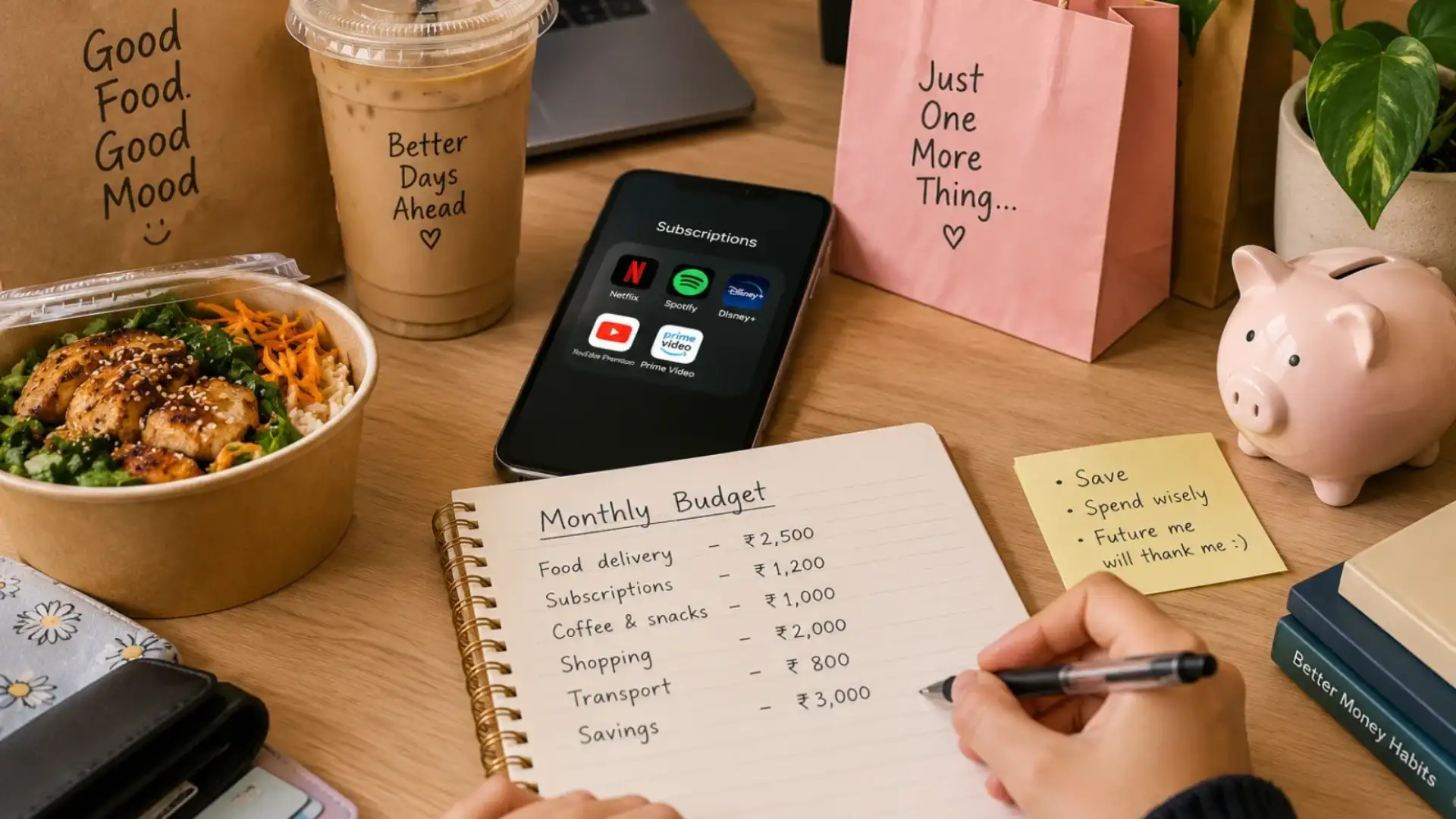
The problem is not always how much you earn or receive as pocket money. Sometimes, it is the small spending habits that seem harmless individually but add up over time. Here are some common expenses to watch out for and practical ways to manage your everyday spending.
Even ordering a few times a week can add up over a month. This does not mean you need to stop enjoying your favourite meals. Instead, set a weekly food delivery budget, save restaurant orders for specific occasions and keep easy snacks or meals at home for days when you do not feel like cooking.
The problem is that subscriptions often renew automatically, making it easy to forget about services you rarely use. Take a few minutes each month to review your active subscriptions. Cancel those you no longer need and consider sharing eligible family plans where permitted. Keeping track of recurring expenses can help you avoid paying for services that no longer offer much value.
However, spending a little every day can make a significant difference to your monthly budget. Try tracking these purchases for a week to understand where your money goes. You do not have to eliminate every small treat, but being more aware of your spending habits can help you decide which purchases are actually worth it.
A discount does not necessarily mean you are saving money, especially if you did not need the product in the first place. Before making an unplanned purchase, wait 24 hours and ask yourself whether you genuinely need the item. Adding products to a wishlist instead of buying them immediately can also help reduce impulse spending.
While convenience purchases are sometimes necessary, relying on them regularly can make your monthly expenses harder to manage. Carrying a water bottle, planning your commute and keeping essential items in your bag can help you avoid unnecessary spending without making daily life inconvenient.
Next, divide your pocket money into essential expenses, personal spending and savings. Set realistic limits rather than creating a strict budget that is difficult to follow. You can also use a simple notes app or budgeting tool to track your spending throughout the month.
The goal is not to stop spending on things you enjoy. It is to understand where your money goes and make sure your everyday spending reflects your priorities. Even small changes in your spending habits can help you manage your monthly budget better and build healthier financial habits over time.
The problem is not always how much you earn or receive as pocket money. Sometimes, it is the small spending habits that seem harmless individually but add up over time. Here are some common expenses to watch out for and practical ways to manage your everyday spending.
1. Food Delivery and Frequent Eating Out
Ordering food after a long college day or a busy week can feel like a well-deserved treat. However, frequent food delivery can become one of the biggest drains on your monthly budget. Delivery fees, platform charges and restaurant prices can make ordering in more expensive than preparing a meal at home.Even ordering a few times a week can add up over a month. This does not mean you need to stop enjoying your favourite meals. Instead, set a weekly food delivery budget, save restaurant orders for specific occasions and keep easy snacks or meals at home for days when you do not feel like cooking.
2. Subscriptions You Barely Use
Streaming platforms, music apps, premium memberships and other digital subscriptions can seem affordable when viewed individually. However, several small monthly payments can take up a noticeable portion of your pocket money.The problem is that subscriptions often renew automatically, making it easy to forget about services you rarely use. Take a few minutes each month to review your active subscriptions. Cancel those you no longer need and consider sharing eligible family plans where permitted. Keeping track of recurring expenses can help you avoid paying for services that no longer offer much value.
3. Small Daily Purchases That Add Up
A coffee before class, a packet of chips between lectures or a quick snack on the way home may not seem expensive. These everyday purchases are easy to overlook because they involve relatively small amounts of money.However, spending a little every day can make a significant difference to your monthly budget. Try tracking these purchases for a week to understand where your money goes. You do not have to eliminate every small treat, but being more aware of your spending habits can help you decide which purchases are actually worth it.
4. Impulse Buying and Online Shopping
Online shopping makes it incredibly easy to spend money without much thought. Flash sales, limited-time discounts and free delivery offers can encourage you to buy things you had not planned to purchase.A discount does not necessarily mean you are saving money, especially if you did not need the product in the first place. Before making an unplanned purchase, wait 24 hours and ask yourself whether you genuinely need the item. Adding products to a wishlist instead of buying them immediately can also help reduce impulse spending.
5. Convenience Purchases
Paying extra for convenience is another habit that can quietly increase everyday expenses. Buying bottled water, taking a cab for a short distance or purchasing something at the last minute instead of planning ahead may seem reasonable in the moment.While convenience purchases are sometimes necessary, relying on them regularly can make your monthly expenses harder to manage. Carrying a water bottle, planning your commute and keeping essential items in your bag can help you avoid unnecessary spending without making daily life inconvenient.
6. How to Manage Your Pocket Money Better
Managing your monthly budget does not require complicated spreadsheets or giving up everything you enjoy. Start by recording your expenses for a month, including small purchases and automatic payments. This will help you identify patterns and understand which spending habits affect your savings the most.Next, divide your pocket money into essential expenses, personal spending and savings. Set realistic limits rather than creating a strict budget that is difficult to follow. You can also use a simple notes app or budgeting tool to track your spending throughout the month.
Small Changes Can Make a Difference
Your pocket money does not have to disappear before the month ends. By paying attention to food delivery, unused subscriptions, impulse shopping and everyday convenience purchases, you can make more informed financial decisions.The goal is not to stop spending on things you enjoy. It is to understand where your money goes and make sure your everyday spending reflects your priorities. Even small changes in your spending habits can help you manage your monthly budget better and build healthier financial habits over time.
Next Story